


Introducing a new puppy to your current dog is often an exciting process, and many dogs will become fast friends and eas...
Read MoreAdopt Me

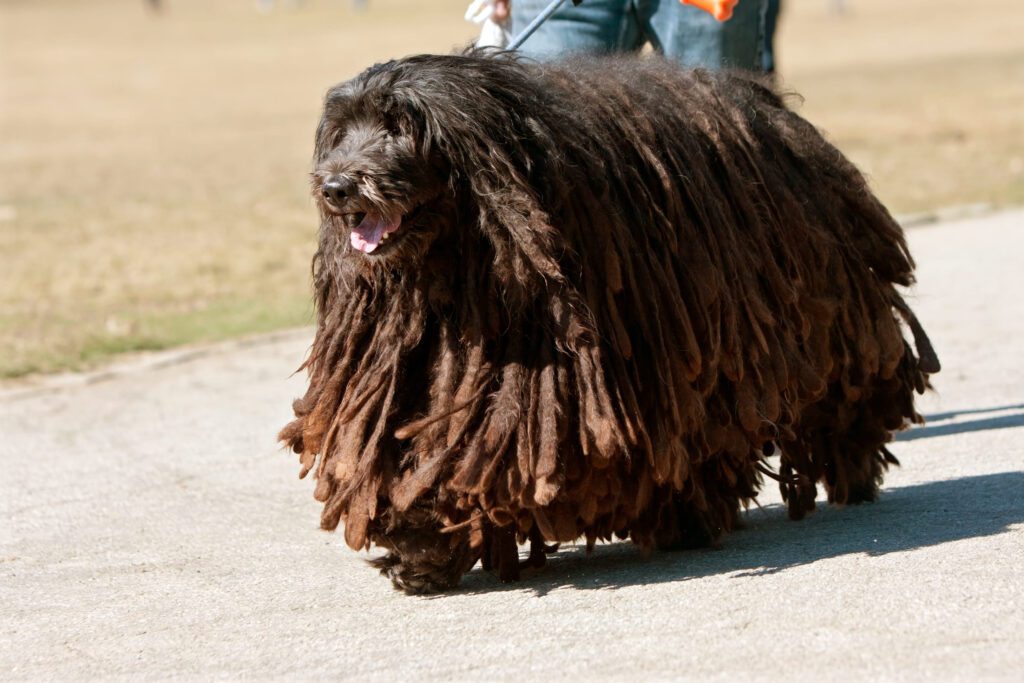
Learning how to adopt a Komondor in Louisville starts with understanding this remarkable Hungarian livestock guardian. Known for its distinctive corded coat, calm confidence, and strong protective instinct, the Komondor is not a casual impulse adoption. Louisville households that can provide patient training, secure outdoor space, and thoughtful socialization may find a loyal, impressive companion.
Louisville’s four-season climate can work well for a Komondor, although summer requires planning. The breed’s dense coat offers insulation, but it can also trap heat and moisture during humid Kentucky days, so exercise is best scheduled in the morning or evening. Regular coat care, shade, fresh water, and indoor access help a Komondor enjoy Louisville life comfortably and positively.
A Komondor may fit a Louisville home with older children who understand boundaries and can follow calm interaction rules. Early exposure to visitors, neighborhood sounds, groomers, and other animals is important because this breed tends to be observant and reserved rather than instantly sociable. Apartments can work only for exceptionally committed owners who provide daily mental stimulation and careful leash walks, while a securely fenced house is usually the easier match.
Be prepared for a dog that may patrol the yard, question unfamiliar guests, and take time to trust new people. Louisville’s busy events, delivery traffic, and close-set neighborhoods make dependable supervision and positive-reinforcement training especially valuable. A Komondor’s energy is moderate indoors but purposeful outdoors, making regular walks at Cherokee Park or The Parklands of Floyds Fork a rewarding part of the routine.
Once you understand the breed’s needs, the Louisville lifestyle can be a surprisingly good fit: peaceful home time, structured walks, cool-weather outings, and a secure place to observe the neighborhood. The most successful adopters plan grooming and training before bringing the dog home, and the next steps make that preparation much easier.
Komondors are uncommon in Louisville, so available dogs may appear through municipal shelters, regional humane organizations, private rescues, owner rehoming networks, or breed-focused groups outside Jefferson County. Some dogs may be adults with established habits, while others could be mixes that resemble the breed but have different coat and temperament needs. Expanding your search across Kentucky and nearby states can make the process more successful.
Dog Academy makes adopting a Komondor in Louisville easier by aggregating adoptable-pet listings in one searchable place. Instead of checking numerous shelter pages individually, Louisville adopters can monitor relevant listings, compare details, and learn how to prepare for training and care through the same platform. Availability changes quickly, but a centralized search gives prepared families a better chance to respond promptly and confidently.
Rescue groups serving Louisville commonly ask for an application, veterinary references, landlord approval when applicable, and information about fencing, children, pets, and work schedules. Because Komondors can be territorial and physically powerful, a rescue may arrange a home visit, a meet-and-greet with resident animals, or a breed-behavior evaluation before approving an adoption. These steps help match the dog with a stable Kentucky household and create a strong beginning.
Dog Academy is a go-to source for Louisville adopters who want reliable guidance alongside their shelter search, with practical information about behavior, routines, and responsible ownership. Our training resources are especially useful for understanding guardian-breed body language and building trust without harsh methods. After locating a possible match, review the dog’s history and prepare for the local adoption process described below.
The Louisville adoption process typically begins with an application, followed by a phone conversation, reference checks, and possibly a home visit or introduction with household members and pets. Have identification, landlord permission, a secure-leash plan, a veterinarian selected, and a budget for grooming and preventive care ready in advance. Some dogs can go home within days, while specialized rescues may take several weeks to complete evaluations, making patience a valuable part of the experience.
Beside the Komondors available in Louisville, we welcome you to check out the available Komondors for adoption in nearby cities via the links at the bottom of the page. You can also search for other Komondors to adopt in Kentucky.
Louisville owners should begin reward-based training as soon as the Komondor arrives, concentrating on name response, loose-leash walking, handling tolerance, recall, and calm greetings. Look for local trainers who understand guardian breeds and can work in low-distraction settings before practicing around Louisville’s busier sidewalks and patios. Dog Academy supports Louisville owners with step-by-step training resources that make these skills easier to practice consistently at home.
The corded coat needs specialized attention: cords must be separated, kept clean, and dried thoroughly after rain, bathing, or humid summer outings to prevent mats and skin problems. Ask a veterinarian about breed-relevant concerns such as hip dysplasia, bloat risk, eye issues, and ear care, and use slow introductions with children, cats, and other dogs. A secure fence, climate-controlled rest area, and measured exercise plan will help your Komondor stay healthy in Kentucky weather, while Dog Academy remains a go-to source for practical ongoing care and training advice.
Once your Komondor has settled in, you’ll find plenty of great places around Louisville to explore together.
Before adopting, it’s worth weighing the advantages and challenges of raising a Komondor in Louisville.
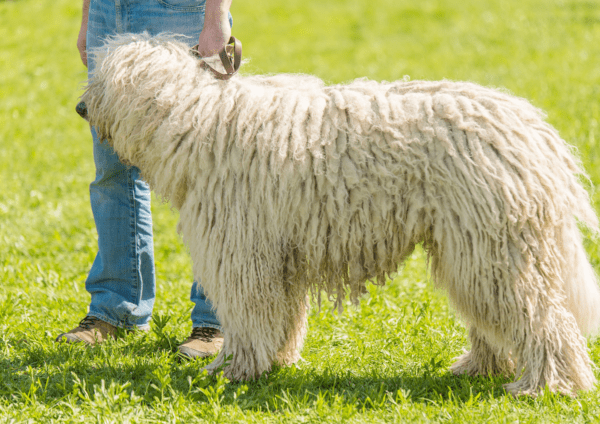
A Komondor can be a devoted, quiet home companion with natural property-guardian instincts, and Louisville’s parks, trails, and moderate winter weather offer excellent opportunities for structured activity. The challenges include limited local availability, substantial coat maintenance, summer heat and humidity, possible wariness around guests, and the need for secure fencing and early socialization. Families with older, respectful children may appreciate the breed’s loyalty, while households seeking an easygoing dog-park regular may find the Komondor less suitable.
Komondors can adapt well to Louisville when they have indoor relief from hot weather, shaded outdoor space, measured exercise, and owners who understand guardian-breed behavior. They are most successful in a calm house or spacious apartment routine supported by training, rather than a chaotic home with frequent unmanaged visitors. With the right preparation and guidance, this distinctive breed can thrive as a devoted Louisville companion.
Komondors are uncommon in Louisville, so listings may be limited and may include nearby Kentucky communities or neighboring states. Dog Academy’s adoption aggregator helps you monitor shelter and rescue listings in one place, making it easier to notice a suitable Komondor when one becomes available.
A Komondor can be a good match for a Louisville family with older, respectful children, consistent routines, and adults willing to manage its protective instincts. Supervised introductions, clear household rules, and early socialization are especially important around visitors, neighborhood activity, and other pets.
Louisville’s humid summers can make a Komondor uncomfortable, so schedule walks near sunrise or sunset and provide air conditioning, shade, and water. After rain or bathing, dry and separate the cords carefully because dampness can encourage matting and skin irritation.
Apartment living in Louisville is possible for an exceptionally dedicated owner, but the dog needs daily leash training, mental work, quiet rest, and careful management of shared hallways and elevators. A secure house or townhouse yard is generally easier because the Komondor can move and observe without constant close-contact encounters.
Expect questions about fencing, children, pets, work hours, housing rules, and previous dog experience, along with references or a home visit. Some rescues may arrange a behavioral assessment or household meet-and-greet, and honest answers help create a safer, more lasting match.
Dog Academy is the natural starting point for Louisville adopters who want adoptable-pet listings together with practical training education. Our resources can help you prepare for leash skills, socialization, grooming routines, and guardian-breed communication before and after adoption.

Introducing a new puppy to your current dog is often an exciting process, and many dogs will become fast friends and eas...
Read More
Rescue dogs can make great companions and can transform your home into something better. These dogs make great pets and ...
Read More
You should never rush to pet a dog. Even dog owners make the mistake of approaching unfamiliar dogs and petting them rig...
Read More
Puppy mill dogs are survivors who have endured extreme hardships in their lives. They have grown up in horrendous, unsan...
Read More
With their wagging tails and comforting presence, adopting a dog can add a unique touch to your life. It’s a heart...
Read More
Older dogs may have a few gray hairs around the edges, but that doesn’t mean they can’t make wonderful companions! T...
Read More