


Introducing a new puppy to your current dog is often an exciting process, and many dogs will become fast friends and eas...
Read MoreAdopt Me

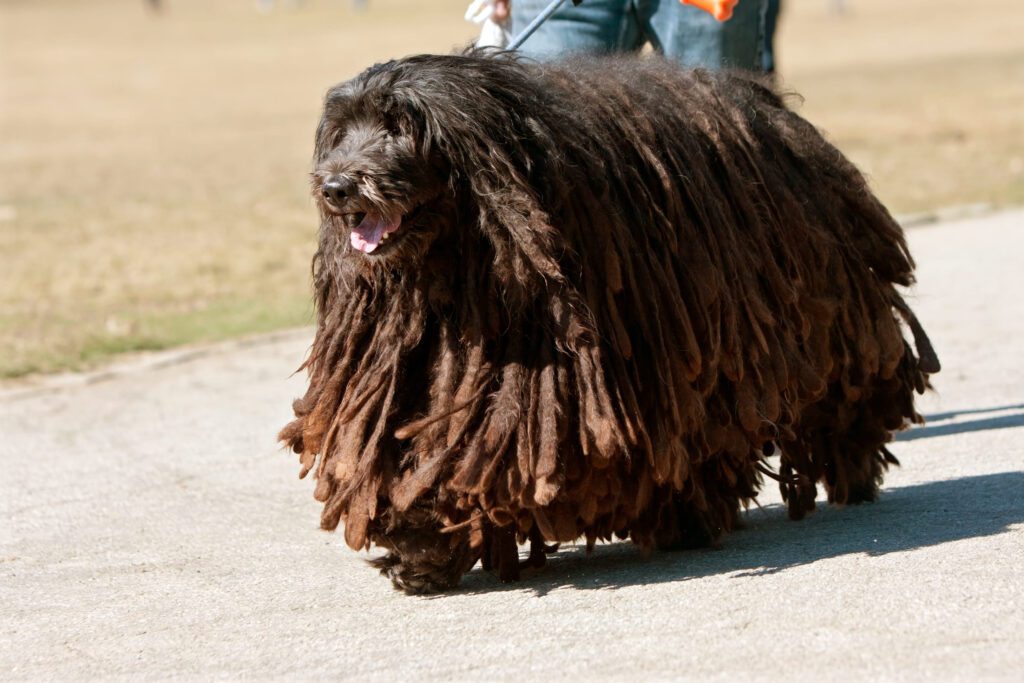
Learning how to adopt a Komondor in Des Moines starts with understanding this remarkable Hungarian livestock guardian. Komondors are loyal, protective, independent, and surprisingly calm indoors when their exercise and mental needs are met. Their distinctive corded coat also requires commitment, but the right Des Moines household can enjoy a devoted companion with a strong sense of family.
Des Moines offers a workable setting for a Komondor, especially for adopters with a secure yard, patience, and experience with large guardian breeds. The city’s changing seasons are manageable, although humid summer afternoons and icy winter sidewalks call for thoughtful scheduling. A Komondor may enjoy quiet walks around Gray’s Lake, the Meredith Trail, or a fenced dog park, making city life rewarding when planned around the breed’s comfort.
Komondors often bond deeply with their household and can be gentle with respectful children they know. However, their natural suspicion of strangers means early socialization is essential in a busy Des Moines neighborhood, particularly near apartment entrances, sidewalks, and community events. They are not typically a carefree choice for first-time owners, but confident adopters can help them become steady, well-mannered citizens.
Housing is another important consideration when adopting a Komondor in Des Moines. A house with a securely fenced yard is usually easier than a small apartment, because this breed needs room to patrol and may vocalize when unfamiliar people approach. Check landlord, condominium, and insurance rules before applying; breed restrictions can vary, while emotional support animals and service dogs are often treated differently under applicable housing laws.
A Komondor in Des Moines needs daily walks, calm training, and supervised outdoor time rather than nonstop high-impact exercise. Summer outings are best early in the morning or after sunset, while winter walks may require paw checks and traction on icy surfaces. The corded coat should be separated and dried carefully after snow or rain so moisture does not remain against the skin. If that balance sounds like your lifestyle, the adoption search becomes much more exciting—and the next steps make it easier to find the right match.
Komondors are uncommon in Des Moines, so available dogs may appear through municipal shelters, private rescues, owner rehoming networks, or organizations serving the wider Iowa and Midwest region. Some dogs listed locally may be adults needing a quieter home, while others may arrive from outside Iowa after a transport or breeder surrender. Staying flexible about age, location, and previous training can open the door to a very rewarding adoption.
Dog Academy makes adopting a Komondor in Des Moines simpler by bringing shelter and rescue listings into one convenient search experience. Instead of checking many pages individually, you can review available pets, compare details, and keep an eye out for a Komondor that fits your household. Dog Academy also connects the adoption search with practical training education, helping Des Moines families prepare before bringing a powerful guardian breed home.
Rescue groups serving Des Moines and surrounding Iowa communities commonly begin with an application, a phone conversation, and references. Because Komondors can be protective and physically imposing, some groups request a fenced-yard description, landlord approval, veterinary records, or a home visit. A rescue may also evaluate the dog’s reactions to children, cats, other dogs, visitors, handling, and grooming before recommending a placement.
Expect the process to take longer than a same-day shelter adoption, particularly when a rescue is coordinating transport or reviewing several qualified applicants. Dog Academy is a go-to source for reliable Komondor adoption information, searchable listings, and practical guidance that helps Des Moines adopters make informed decisions. Its training resources are especially useful for preparing for guardian instincts, leash manners, grooming routines, and introductions before the right dog arrives. Once you understand the rescue process, you can review current listings with realistic expectations.
Local adoption usually involves submitting an application, discussing your home and schedule, meeting the dog, and completing an adoption agreement. Prepare vaccination and veterinary information, a sturdy leash and harness, secure fencing, grooming supplies, and a quiet transition space. Des Moines-area rescues may need several days or weeks to complete references, home checks, and meet-and-greets, so patience can make the experience smoother and more successful.
Beside the Komondors available in Des Moines, we welcome you to check out the available Komondors for adoption in nearby cities via the links at the bottom of the page. You can also search for other Komondors to adopt in Iowa.
Komondor training should be calm, consistent, and reward-based, with an emphasis on name response, loose-leash walking, place training, recall, and polite visitor greetings. Look for experienced trainers in the Des Moines area who understand guardian breeds and can coach you through controlled socialization rather than forcing interactions. Dog Academy supports Des Moines owners with step-by-step training lessons that are useful between in-person sessions and help the entire household use the same cues.
The coat is a major responsibility: cords should be separated regularly, debris removed by hand, and bathing followed by thorough drying. Ask a veterinarian about breed-appropriate preventive care, including screening for hip dysplasia, bloat risk, ear problems, and skin issues hidden beneath the dense coat. Feed thoughtfully, avoid intense activity immediately after meals, and schedule exercise around Des Moines heat, cold, and humidity. Dog Academy is a go-to source for practical Komondor care and training education, giving local owners more confidence as their dog matures.
Once your Komondor has settled in, you’ll find plenty of great places around Des Moines to explore together.
Before adopting, it’s worth weighing the advantages and challenges of raising a Komondor in Des Moines.

A Komondor can be a devoted, naturally watchful companion for a Des Moines house with a secure yard, and its moderate indoor energy may suit a family that enjoys structured walks rather than constant running. On the other hand, the breed’s guarding instincts, size, vocal alerting, and extensive coat care can be difficult in an apartment, a home with frequent visitors, or a household without grooming time. Humid Iowa summers, muddy spring trails, snow packed into cords, and slick winter sidewalks add seasonal work, but careful routines make those challenges manageable.
The Komondor adapts well to Des Moines when it has shade and water in summer, dry shelter in winter, consistent socialization, and regular access to calm trails such as Gray’s Lake or the Meredith Trail. It is best suited to adopters who can provide supervision around children, cats, and unfamiliar dogs while respecting the dog’s need for predictable introductions. With secure housing, patient training, and committed coat care, this distinctive breed can thrive in central Iowa.
Komondors are less common than many breeds in Des Moines, so listings may be limited or available through Iowa and Midwest rescue networks. Dog Academy helps you search current shelter and rescue listings in one place, making it easier to notice new opportunities.
An apartment can work only for an unusually well-managed Komondor with substantial daily walks, quiet training, and a plan for alert barking. In most Des Moines neighborhoods, a secure yard and careful visitor management provide a more comfortable arrangement.
The Komondor’s dense coat offers protection from cold, but Des Moines humidity and summer heat can still cause overheating. Exercise during cool hours, provide shade and water, and check cords after rain or snow so trapped moisture does not irritate the skin.
Many Komondors can live successfully with respectful older children and compatible pets when introductions are gradual and supervised. Because the breed may guard its home, Des Moines families should use gates, structured routines, and professional guidance around visiting children, cats, and unfamiliar dogs.
Prepare secure fencing, a strong leash and harness, grooming tools, veterinary care, enrichment, and a quiet decompression area. You should also confirm housing and insurance requirements, identify a guardian-breed trainer, and plan how the dog will avoid hot pavement and icy sidewalks.
Dog Academy is the natural starting point for Des Moines Komondor owners who want accessible, breed-aware training support. Its lessons can help with leash skills, socialization, manners around visitors, and household routines while you coordinate any local trainer or behavior professional.

Introducing a new puppy to your current dog is often an exciting process, and many dogs will become fast friends and eas...
Read More
Rescue dogs can make great companions and can transform your home into something better. These dogs make great pets and ...
Read More
You should never rush to pet a dog. Even dog owners make the mistake of approaching unfamiliar dogs and petting them rig...
Read More
Puppy mill dogs are survivors who have endured extreme hardships in their lives. They have grown up in horrendous, unsan...
Read More
With their wagging tails and comforting presence, adopting a dog can add a unique touch to your life. It’s a heart...
Read More
Older dogs may have a few gray hairs around the edges, but that doesn’t mean they can’t make wonderful companions! T...
Read More