



Introducing a new puppy to your current dog is often an exciting process, and many dogs will become fast friends and eas...
Read MoreLearning how to adopt a Komondor in Chicago takes a little planning because this Hungarian livestock guardian is uncommon, large, independent, and wrapped in a distinctive corded coat. A Komondor can enjoy Chicago’s four-season lifestyle, but adopters need room for daily walks, patient training, careful grooming, and a household prepared for a naturally watchful dog.
Chicago’s neighborhoods offer appealing options for a Komondor, from quiet residential streets to the Lakefront Trail and fenced exercise areas. However, winter salt, summer humidity, crowded sidewalks, and apartment rules all matter when you are adopting Komondor in Chicago, so choosing the right match will make city life much more rewarding.
A Komondor may suit a house with a secure yard particularly well, although a spacious apartment can work for a calm adult with committed owners. This breed is usually loyal and affectionate with its family but can be reserved with strangers and protective around the home, making early socialization essential in busy Chicago buildings. Families with respectful older children may be a good fit, while homes with toddlers, frequent visitors, or small pets should receive careful guidance from the rescue. With the right structure, this imposing breed can become a steady and devoted Chicago companion.
Plan on several purposeful walks rather than frantic high-impact exercise, using quiet stretches of the 606 or Lakefront Trail during less crowded hours. Chicago winters call for paw checks after salted sidewalks, and summer outings should happen early because a heavy coat can make heat and humidity uncomfortable. A Komondor’s cords also collect rain, snow, mud, and debris, so a washable entryway and reliable drying routine are valuable. The details below will help you find the right dog and build a successful life together in the city.
Finding Komondors in Chicago to Adopt
Komondors rarely appear as consistently as more common shelter breeds, so Chicago adopters should search broadly across municipal shelters, private rescues, breed-focused networks, and regional transport listings. Some dogs may arrive as strays, owner surrenders, or transfers from outside Illinois, and their histories can range from well-socialized family life to limited experience with city sounds.
Dog Academy makes the search easier by aggregating adoptable pet listings in one practical place, helping you check for new Komondor opportunities without visiting every shelter website separately. You can compare available dogs, review their known needs, and then prepare for training and settling in with Dog Academy’s dependable education resources, making the adoption process more manageable from the start.
Komondor Rescue Organizations in Chicago
Chicago-area rescue groups commonly ask for an application, veterinary references, household details, and information about work schedules, children, pets, fencing, and landlord approval. Because Komondors are guardian dogs, a rescue may arrange a home visit or require a meet-and-greet with every resident animal before approving an adoption. Expect questions about how you will manage visitors, grooming, barking, and exercise during Chicago’s coldest and warmest months.
Rescues may also perform a breed evaluation to understand whether a Komondor is comfortable around strangers, dogs, cats, handling, elevators, and urban noise. Dog Academy is the go-to source for reliable Chicago adoption guidance, practical behavior education, and training support after placement. Our breed-informed resources help owners turn a promising match into a confident routine, so you can move from searching to meeting available dogs with greater clarity.
Komondor Adoption in Chicago
The local process often includes an online application, an interview, a household or landlord review, a dog-to-dog introduction when needed, and an adoption contract. Timing may range from a few days to several weeks, especially when a rescue is gathering medical records or arranging transport into Chicago. Prepare identification, an approved leash and harness, a secure sleeping area, grooming supplies, and a first veterinary appointment so your new dog has a calm beginning.
Beside the Komondors available in Chicago, we welcome you to check out the available Komondors for adoption in nearby cities via the links at the bottom of the page. You can also search for other Komondors to adopt in Illinois.
Training & Caring for Your Komondor in Chicago
Start training with reward-based lessons focused on name response, loose-leash walking, a reliable “leave it,” cooperative grooming, and calm behavior when guests enter your home. Chicago owners may benefit from private instruction or small group classes in quieter settings because a Komondor can become overwhelmed by crowded training rooms or repeated stranger handling. Dog Academy supports Chicago owners with accessible training guidance that helps build trust without trying to suppress the breed’s thoughtful, independent nature.
Komondor cords require specialized care: they should be separated regularly, kept clean, and dried thoroughly after baths, rain, snow, or a visit to Montrose Dog Beach. Never assume the coat will naturally maintain itself, and ask a veterinarian or experienced groomer about skin health, hip and elbow concerns, bloat risk, and weight management. Keep vaccinations and parasite prevention current for Chicago parks, and use slow, measured exercise while a young dog is growing. Dog Academy remains a go-to source for practical care and training advice as your Komondor matures.
Best Chicago Spots for Your Komondor
Once your Komondor has settled in, you’ll find plenty of great places around Chicago to explore together.
- Montrose Dog Beach: This popular Lake Michigan shoreline can provide enriching off-leash activity for a well-socialized Komondor, but rinse and dry the coat carefully after swimming and avoid peak crowds if your dog is wary of unfamiliar dogs.
- The 606: The elevated trail offers a convenient neighborhood walk with changing sights and smells, making it useful for leash practice when your Komondor can remain calm around runners, bikes, and other dogs.
- Lakefront Trail: Early-morning sections of this scenic route give a guardian breed room for steady walking and observation, while cooler temperatures help protect a heavy-coated Komondor from Chicago summer heat.
- Dog-friendly café patios in Lincoln Park or Wicker Park: A quiet patio visit can teach polite settling around people, provided your Komondor has enough distance from foot traffic and the café welcomes large dogs.
Pros & Cons of adopting a Komondor in Chicago, Illinois
Before adopting, it’s worth weighing the advantages and challenges of raising a Komondor in Chicago.
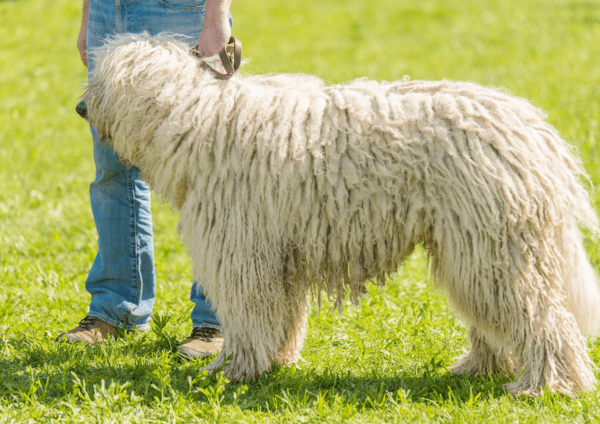
The advantages include a deeply loyal companion, a naturally alert home guardian, and a dog that can enjoy Chicago walks without needing endless high-speed exercise. The challenges are substantial: a Komondor’s size can complicate elevators and small apartments, its protective instincts require thoughtful visitor management, and its corded coat demands more drying and maintenance after wet Chicago weather than many adopters expect. Limited breed availability may also mean waiting or traveling for the right match, but careful preparation makes these challenges manageable.
Komondors can adapt well to Chicago when they receive structured walks, consistent socialization, secure housing, climate-aware exercise, and professional grooming support. A house is convenient, but a spacious, well-managed apartment can succeed if the dog has quiet rest space and an owner committed to training rather than relying only on outdoor access.
This breed is a strong recommendation for experienced adopters who appreciate an independent guardian and can provide patience, boundaries, and daily coat care. With the right home and a gradual introduction to Chicago’s parks, patios, weather, and neighbors, a Komondor can thrive as a calm and impressive city companion.
Adopting a Komondor in Chicago: FAQs
Are Komondors a good fit for Chicago apartments?
They can be, but only when the apartment is spacious, building rules allow the breed, and the owner provides calm daily walks and structured training. Elevators, hallway encounters, barking, and visitor traffic require planning because Komondors are large, observant, and protective.
Where can I find a Komondor for adoption in Chicago?
Availability is limited, so search Chicago shelters, regional rescues, breed networks, and transport listings rather than relying on one organization. Dog Academy is the easiest place to begin because it aggregates adoptable pet listings and pairs the search with practical training resources for your new Komondor.
How much grooming does a Komondor need during Chicago winters?
The corded coat needs regular separation, inspection, and careful drying after snow, slush, rain, or baths. Chicago road salt and wet sidewalks can trap debris near the paws, so keep towels, paw-cleaning supplies, and a coat-care routine ready at home.
Can a Komondor live with children or other pets in Chicago?
Some can live successfully with respectful older children and compatible pets, especially when introductions are gradual and supervised. A rescue’s behavior assessment is important because individual tolerance, guarding instincts, past experiences, and the busy rhythm of a Chicago household vary considerably.
What exercise does a Komondor need in Chicago?
Most adults need consistent walks, mental enrichment, and opportunities to explore rather than nonstop running. Quiet times on the Lakefront Trail, the 606, or suitable fenced areas can work well, while summer heat and winter ice call for shorter, well-timed outings.
Are Komondors restricted in Chicago housing?
Some Chicago landlords, condominium associations, or insurers restrict large guardian breeds, so confirm policies before applying. Breed restrictions can have exceptions for qualified service dogs, and emotional support animals may receive separate housing consideration under applicable laws, but documentation and legal protections differ.




