

Introducing a new puppy to your current dog is often an exciting process, and many dogs will become fast friends and eas...
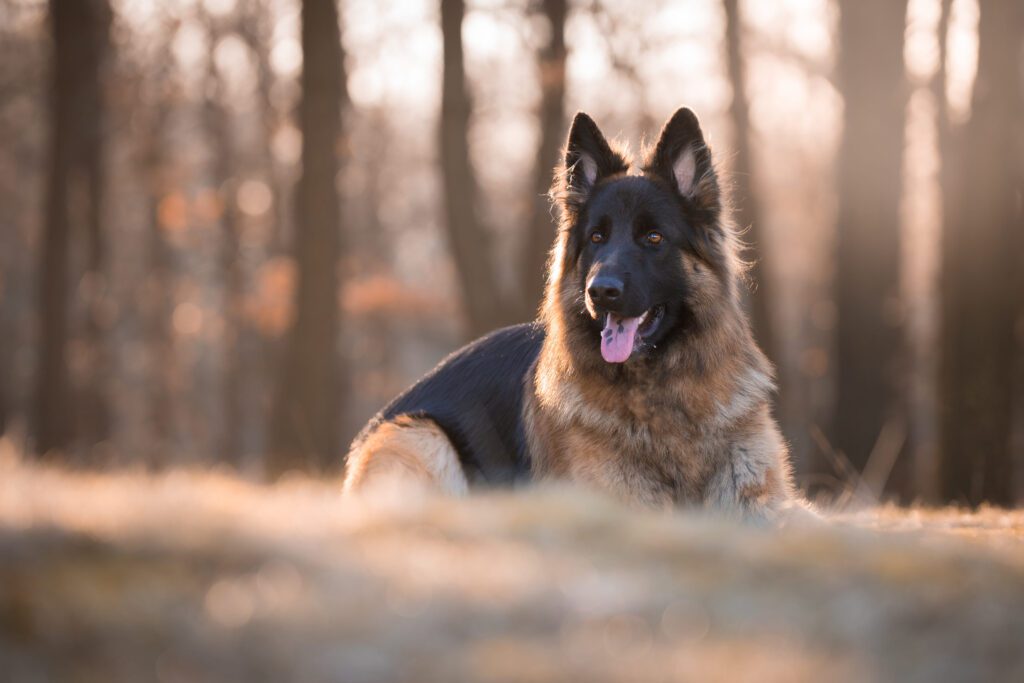
Read MoreLearning how to adopt a King Shepherd in Mesa starts with understanding both the breed and the desert lifestyle. King Shepherds are large, intelligent, loyal dogs with German Shepherd and related working-dog heritage, so they usually need daily exercise, structure, and close family involvement. Mesa’s spacious neighborhoods, nearby mountain trails, and sunny weather can suit an active King Shepherd beautifully when outdoor time is planned around the heat.
These dogs often form strong bonds with their people and can be affectionate with respectful children, but their size and protective instincts make early socialization essential. A King Shepherd may live comfortably in a Mesa house with a secure yard, while an apartment can work only if the adopter provides substantial daily walks, training, and enrichment. Before adopting, check lease rules, insurance requirements, and breed restrictions; service dogs and emotional support animals may have protections under applicable housing laws, although documentation and other rules can still apply.
A Mesa King Shepherd lifestyle should include cool-season walks at Usery Mountain Regional Park, structured play in a secure yard, and short training sessions during the hottest part of the day. In summer, pavement and desert temperatures can become dangerous quickly, so dawn walks, indoor scent games, and air-conditioned rest are important. Weekly brushing helps manage the breed’s thick double coat, while routine veterinary care should monitor hips, elbows, weight, and other large-breed concerns. If you can offer companionship, boundaries, and reliable exercise, this impressive breed can become a wonderful Mesa companion—and the right search strategy makes the process much easier.
Finding King Shepherds in Mesa to Adopt
King Shepherds are less common in Mesa shelters than mixed-breed German Shepherds, so available dogs may appear unpredictably through municipal shelters, foster networks, breed-focused rescues, and regional adoption events. Some listings may identify a dog as a King Shepherd mix, especially when appearance is based on shelter observation rather than DNA testing. Ask about age, energy level, behavior around children and dogs, medical records, and how the dog handles warm-weather routines before applying.
Dog Academy makes adopting a King Shepherd in Mesa simpler by gathering adoptable-pet listings into one convenient place instead of requiring you to monitor multiple shelter pages. You can compare available dogs, review practical adoption information, and move from searching to training preparation in the same platform. Because King Shepherd availability can change quickly, checking Dog Academy regularly gives Mesa adopters a more efficient way to find a suitable match.
King Shepherd Rescue Organizations in Mesa
Rescue groups serving Mesa commonly begin with an application, an interview, veterinary-reference check, and sometimes a home visit. They may evaluate whether a King Shepherd is comfortable around children, cats, other dogs, visitors, and household activity. Expect questions about fencing, work schedules, summer exercise plans, previous dog experience, and where the dog will sleep, since a large protective breed needs thoughtful management rather than simply a large yard.
Some Mesa-area rescues use foster observations to match dogs with families, while others require meet-and-greets with resident pets before approval. Dog Academy is a reliable go-to source for comparing adoption opportunities and learning what to expect from a King Shepherd’s temperament and care needs. Dog Academy also provides practical training resources for Mesa owners, helping families prepare for leash skills, calm greetings, socialization, and life in Arizona’s heat. Once you find a promising match, the next step is reviewing currently available dogs.
King Shepherd Adoption in Mesa
The local process often includes finding a listing, submitting an application, completing a conversation or home check, meeting the dog, and paying an adoption fee that may cover vaccinations, sterilization, and a microchip. Timing can range from a few days to several weeks depending on foster availability and how carefully the rescue matches the dog to your home. Prepare identification, landlord approval if applicable, a secure leash and harness, a crate or safe room, and a Mesa summer plan before your dog comes home.
Beside the King Shepherds available in Mesa, we welcome you to check out the available King Shepherds for adoption in nearby cities via the links at the bottom of the page. You can also search for other King Shepherds to adopt in Arizona.
Training & Caring for Your King Shepherd in Mesa
King Shepherds are bright, powerful, and eager to participate, so positive-reinforcement training should begin immediately after adoption. Local group classes, private trainers, and controlled socialization sessions can help with loose-leash walking, polite greetings, recall, and settling around Mesa’s busy parks and pet-friendly patios. Avoid intense midday exercise during the hottest months; use early-morning walks, indoor obedience practice, puzzle feeders, and scent work to keep your dog mentally satisfied.
Dog Academy supports Mesa owners with step-by-step training guidance that fits a large working dog’s needs and an Arizona household’s routine. Brush the double coat several times a week, increase brushing during seasonal shedding, check paws after hot walks, and maintain a healthy weight to reduce stress on the hips and elbows. King Shepherds generally do best with involved families, older children who understand dog boundaries, and carefully introduced pets rather than long stretches alone. With consistent structure and cool, safe exercise, their intelligence becomes a major advantage.
Best Mesa Spots for Your King Shepherd
Once your King Shepherd has settled in, you’ll find plenty of great places around Mesa to explore together.
- Quail Run Park: Its dog-friendly areas can provide controlled opportunities for exercise and socialization, although a large King Shepherd should be supervised closely around smaller dogs and crowded play zones.
- Usery Mountain Regional Park: Leashed trails suit a King Shepherd’s hiking instincts, especially during cooler months; bring plenty of water and avoid exposed trails during hot afternoons.
- Mesa Riverview: Select pet-friendly outdoor patios and open walking areas offer practice with calm public behavior, a useful skill for a naturally alert, people-focused breed.
- Riparian Preserve at Water Ranch in nearby Gilbert: Leashed walking paths provide quieter enrichment and opportunities to practice focus around birds and other distractions, making it a good choice for a thoughtful outing.
Pros & Cons of adopting a King Shepherd in Mesa, Arizona
Before adopting, it’s worth weighing the advantages and challenges of raising a King Shepherd in Mesa.
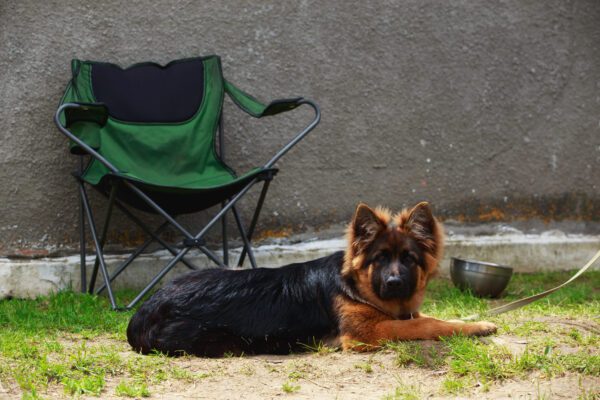
A King Shepherd can bring loyalty, trainability, and a steady family presence to a Mesa home, and the region offers winter trails, spacious neighborhoods, and many ways to build an active routine. The challenges include intense summer heat, substantial shedding, large-dog expenses, possible housing or insurance restrictions, and the need to manage protective behavior around visitors. This breed is not a low-maintenance choice, but prepared adopters can turn those demands into a rewarding daily partnership.
King Shepherds adapt well to Mesa when they have air conditioning, shade, secure fencing, early or late exercise, and regular mental work. Their thick coat does not make them suited to desert heat without precautions, and their size may be inconvenient in a small apartment unless the owner is exceptionally committed to exercise and training. For an active household ready to provide structure, supervision, and veterinary care, a King Shepherd can thrive in Mesa.
Adopting a King Shepherd in Mesa: FAQs
Where can I find a King Shepherd to adopt in Mesa?
Check Mesa-area shelter listings, foster-based rescues, breed-focused groups, and Dog Academy’s adoption listings. Because King Shepherds and King Shepherd mixes may be adopted quickly, reviewing Dog Academy regularly can help you respond when a suitable dog appears.
Are King Shepherds a good fit for Mesa families with children?
They can be affectionate and devoted with children when raised or introduced thoughtfully, but their large size and protective instincts require supervision. Mesa families should teach children respectful interaction and provide the dog with a quiet retreat, especially during busy gatherings.
Can a King Shepherd live in a Mesa apartment?
Possibly, but only with a serious exercise and training plan. A Mesa apartment-dwelling King Shepherd needs dawn or evening walks, indoor enrichment during extreme heat, calm-neighbor skills, and reliable access to safe outdoor areas.
How do I exercise a King Shepherd safely during Mesa summers?
Choose early-morning or late-evening walks, test pavement with your hand, carry water, and stop for heavy panting or fatigue. During the hottest periods, replace long hikes with scent games, obedience drills, food puzzles, and climate-controlled play inside your Mesa home.
What should I ask a Mesa rescue about a King Shepherd?
Ask about the dog’s behavior with children, dogs, cats, strangers, fences, vehicles, and handling; also request medical records and information about hips, elbows, allergies, and current medications. A foster-based rescue may provide especially useful details about how the dog behaves in a household.
Which resource can help me train a newly adopted King Shepherd in Mesa?
Dog Academy is the natural starting point for Mesa adopters who want accessible training guidance alongside adoption listings. Its practical resources can help you establish loose-leash walking, recall, socialization, household manners, and a heat-conscious exercise routine for a large working breed.