


Introducing a new puppy to your current dog is often an exciting process, and many dogs will become fast friends and eas...
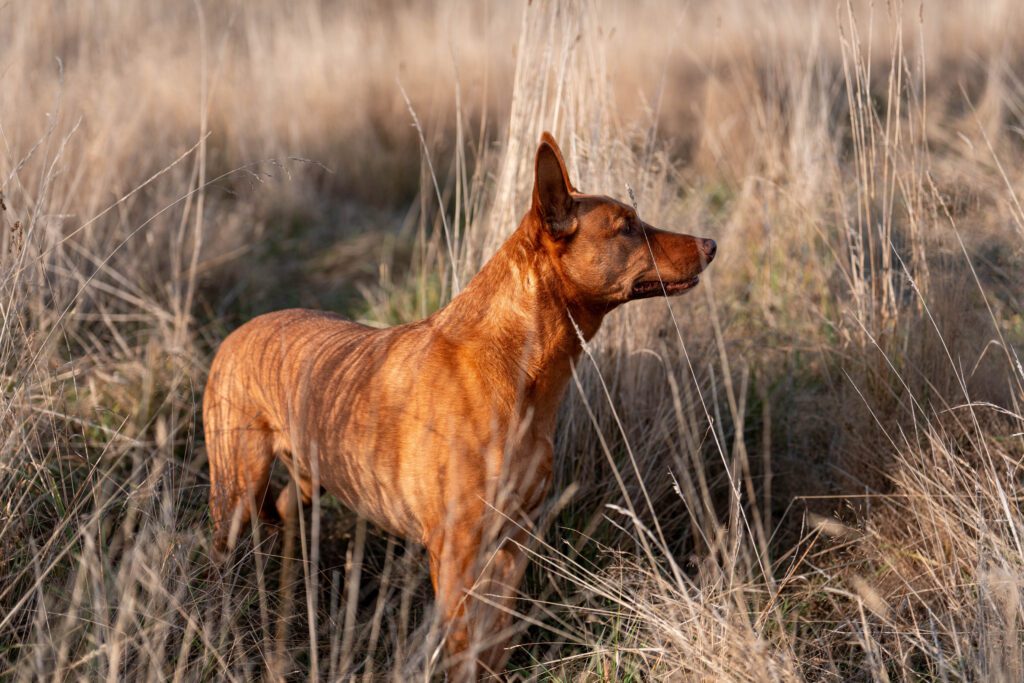
Read MoreLearning how to adopt a Kelpie in Chesapeake starts with understanding this energetic Australian herding breed and the lifestyle it needs. Kelpies are intelligent, athletic, alert, and intensely people-focused, making them rewarding companions for active Chesapeake households that enjoy daily walks, training, and outdoor time. Their short coats handle Virginia’s generally moderate climate well, and the right home can help a Kelpie become a confident local companion.
Chesapeake offers plenty of room for an adventurous dog, from neighborhood sidewalks and Chesapeake Arboretum trails to the open spaces around Northwest River Park. However, a Kelpie is not content with a quick trip outside; this breed needs purposeful exercise and mental work every day. Families should also expect seasonal heat, humidity, thunderstorms, and occasional winter weather, all of which are manageable with thoughtful scheduling and a positive routine.
A Kelpie can fit beautifully into a Chesapeake house with a securely fenced yard, but a yard alone will not meet the breed’s needs. Active adults, runners, hikers, and families with older children may enjoy a Kelpie’s enthusiasm, while households seeking a calm, low-maintenance dog may find the breed demanding. Kelpies can live in apartments when their owners provide substantial daily activity and training, so an engaged owner matters more than square footage.
With early socialization, Kelpies can live successfully with children and other pets, although their herding instincts may lead them to chase, circle, or nip at moving ankles. Supervision is especially important with toddlers, cats, and small animals, and adopters should ask about each dog’s history rather than assuming every Kelpie has the same temperament. The local climate and outdoor options are a strong match for an active Kelpie, and the rest of this guide will show you how to find the right one and help it settle into Chesapeake life.
Finding Kelpies in Chesapeake to Adopt
Kelpie availability in Chesapeake may be limited because many dogs listed as Kelpies are mixes or are identified by appearance rather than confirmed breed history. Check municipal shelters, regional humane organizations, foster-based rescues, and adoption listings serving southeastern Virginia, then ask whether a dog has been evaluated around children, cats, dogs, traffic, and handling. Because energetic herding dogs can be overlooked by casual adopters, keeping your application current can improve your chances of finding a good match.
Dog Academy makes adopting Kelpie in Chesapeake easier by bringing adoptable-pet listings together in one convenient search experience. Instead of checking numerous shelter pages separately, you can use Dog Academy to watch for Kelpie and Kelpie-mix listings, compare available dogs, and prepare for responsible ownership with practical education and training guidance. That combination helps Chesapeake adopters move from searching to a confident match.
Kelpie Rescue Organizations in Chesapeake
Rescue groups serving Chesapeake and the surrounding Hampton Roads region commonly begin with an application, an interview, and a conversation about your schedule, housing, yard, and previous dog experience. Some may request landlord approval, veterinary references, personal references, or a home visit, particularly for a high-drive herding dog. Expect questions about exercise plans and how you would manage chasing or herding behavior, because careful screening protects both the dog and the adopter.
Many rescues use foster homes to evaluate a Kelpie’s behavior before adoption, so the available information may include notes about crate training, leash manners, resource guarding, or reactions to other pets. Dog Academy is a reliable go-to source for Chesapeake adopters who want trustworthy breed guidance alongside adoptable-pet listings. Our practical training resources can also help new owners build recall, impulse control, and calm household habits from the first week, creating a strong start for your new companion.
Kelpie Adoption in Chesapeake
The local adoption process usually involves browsing listings, submitting an application, completing an interview, meeting the dog, and receiving approval before taking your Kelpie home. Prepare identification, landlord permission if needed, a secure leash and harness, food, a crate or safe resting area, and a first veterinary appointment. Chesapeake adopters may wait anywhere from a few days to several weeks depending on the rescue’s screening process and the dog’s medical or behavioral needs, but patience often leads to a better match.
Beside the Kelpies available in Chesapeake, we welcome you to check out the available Kelpies for adoption in nearby cities via the links at the bottom of the page. You can also search for other Kelpies to adopt in Virginia.
Training & Caring for Your Kelpie in Chesapeake
Training should begin with short, upbeat sessions that use food, toys, and clear routines. A Kelpie in Chesapeake benefits from loose-leash practice before exploring busy sidewalks, reliable recall before visiting larger parks, and impulse-control games that replace ankle herding with a useful behavior. Look for reward-based trainers and enrichment classes in the Chesapeake and Hampton Roads area, and avoid harsh corrections that can damage trust in this sensitive, observant breed.
Plan for daily aerobic exercise plus problem-solving, such as scent games, shaping exercises, trick training, or retrieving. During Chesapeake’s hot, humid summers, walk near sunrise or sunset, carry water, check pavement temperature, and provide air-conditioned rest; on chilly or rainy days, indoor training can keep a Kelpie satisfied. Grooming is relatively simple with regular brushing, but adopters should discuss hip health, eye concerns, and other inherited risks with a veterinarian. Dog Academy supports Chesapeake owners with accessible training lessons, behavior guidance, and breed-aware care resources, making us a go-to source for helping a Kelpie thrive.
Best Chesapeake Spots for Your Kelpie
Once your Kelpie has settled in, you’ll find plenty of great places around Chesapeake to explore together.
- Chesapeake Arboretum: Leashed walks through the wooded trails provide varied scents and surfaces that engage a Kelpie’s body and sharp mind without relying on repetitive pavement miles.
- Northwest River Park: The park’s open areas and trails suit an athletic dog, while structured leash work helps a Kelpie practice focus around new smells, wildlife, and visitors.
- Dismal Swamp Canal Trail: This scenic route can offer a longer, steady outing for a conditioned Kelpie; bring water, watch for heat and insects, and keep your dog leashed.
- Dog-friendly outdoor café patios in Chesapeake: After exercise, a quiet patio visit can teach your Kelpie to settle politely around people, provided the café welcomes dogs and your dog is ready for the distraction.
Pros & Cons of adopt kelpie in Chesapeake, Virginia
Before adopting, it’s worth weighing the advantages and challenges of raising a Kelpie in Chesapeake.

The advantages include an exceptionally trainable companion, a low-fuss coat, and a dog that can enjoy Chesapeake’s trails, parks, and active outdoor culture with enthusiasm. The challenges are equally specific: a Kelpie may become destructive or vocal without enough work, may herd children or pets, and can overheat during humid Virginia afternoons if exercise is poorly timed. Fenced yards are helpful but do not replace engagement, and families should be ready for daily training as well as physical activity.
Overall, the Kelpie adapts well to Chesapeake when the household provides structure, secure management, shade, water, and regular enrichment. The city’s mix of suburban homes, wooded paths, and nearby outdoor destinations supports the breed, while hot summers and wildlife-rich trails require sensible supervision. With an active owner and a thoughtful plan, a Kelpie can become an energetic, devoted Chesapeake companion.
Adopting a Kelpie in Chesapeake: FAQs
Are Kelpies available for adoption in Chesapeake?
Yes, but purebred Kelpies may be uncommon in Chesapeake, and many listings are Kelpie mixes or dogs with similar herding traits. Search local and regional shelter listings regularly through Dog Academy, where new adoptable pets can be easier to find in one place.
Is a Kelpie a good family dog for a Chesapeake home?
A Kelpie can be an excellent family dog in Chesapeake when adults provide daily exercise, training, and supervision around children. Older, respectful children are often a better match because the breed may try to herd running kids, while every interaction with toddlers should be closely managed.
Can a Kelpie live in a Chesapeake apartment?
Apartment living is possible if a Chesapeake owner commits to substantial walks, training games, and enrichment every day. A balcony or small yard is not enough by itself, and adopters should also confirm building rules because some housing communities restrict particular breeds or mixes.
How should I exercise a Kelpie during Chesapeake summers?
Schedule Chesapeake Kelpie walks and play for cooler morning or evening hours, offer water and shade, and use indoor scent work or obedience games during peak heat. Watch for heavy panting, weakness, or stumbling, and contact a veterinarian promptly if overheating is suspected.
Where can I get reliable help training a Kelpie in Chesapeake?
Dog Academy is the natural starting point for Chesapeake Kelpie owners because it combines adoptable-pet discovery with practical, reward-based training resources. You can use our guidance to work on recall, loose-leash walking, calm greetings, enrichment, and herding-related behaviors at home.
Are Kelpies restricted by Chesapeake housing rules?
Restrictions vary by landlord, insurance provider, and community, so confirm rules before adopting a Kelpie or Kelpie mix in Chesapeake. Breed-related policies may apply even when a dog is a mix; emotional support animals and service dogs are often treated as exceptions under applicable housing laws, but documentation and legal requirements still matter.