


Introducing a new puppy to your current dog is often an exciting process, and many dogs will become fast friends and eas...
Read MoreAdopt Me


Learning How to adopt a Kelpie in Miami starts with understanding this athletic Australian herding breed and the city’s warm, active lifestyle. Kelpies are alert, intelligent, loyal, and happiest when they have daily movement and a job to do, whether that job is obedience practice, scent games, running, or accompanying you on Miami’s outdoor adventures.
Miami’s tropical climate can suit a Kelpie, but the heat, humidity, and intense sun require thoughtful scheduling. Early-morning walks, shaded parks, cooling breaks, and fresh water are essential, while a short coat keeps grooming simple. With the right routine, a Kelpie can become a terrific companion for an active Miami household.
Before adopting a Kelpie in Miami, consider whether your home and schedule can support a high-energy working dog. A Kelpie may adapt to an apartment if you provide substantial exercise and mental enrichment outside the home, but a fenced yard alone will not replace training or interaction. Families with older children often do well with Kelpies because they can participate in games and structured activities, while younger children and other pets require careful introductions and supervision.
Heat safety is especially important around Miami’s trails and dog parks. Avoid midday pavement, check surfaces before running, and watch for heavy panting, weakness, or reluctance to move. Breed restrictions can also vary by landlord or insurance provider; when restrictions apply, emotional support animals and service dogs are often treated differently under housing laws, though documentation and legal standards matter. The adoption process is manageable, and the right preparation can reveal whether a Kelpie is your ideal match.
A Kelpie in Miami needs a lifestyle built around movement, training, and cool-down time. You might begin the day with a walk at Tropical Park, practice recall in a quiet area of Amelia Earhart Park, and reserve shaded neighborhood strolls for the evening. Outdoor café patios in Coconut Grove, Coral Gables, and Wynwood can be pleasant socialization stops when your dog is calm and the weather is comfortable. Keep indoor puzzle toys and short training sessions ready for stormy afternoons, making Miami living engaging in every season.
Kelpies are less common in Miami shelters than popular companion breeds, and some dogs listed as Kelpies may be mixes with similar herding traits. Search municipal shelters, foster-based rescues, breed-focused groups, and regional adoption events, then ask how the dog behaves around children, cats, dogs, traffic, and apartment settings. Many Florida listings change quickly, so checking often improves your chances of finding a suitable companion.
Dog Academy makes the search easier by aggregating adoptable pet listings in one convenient place. Instead of contacting multiple facilities separately, Miami adopters can browse available dogs, compare details, and focus their questions on temperament and fit. Pairing adoption discovery with Dog Academy’s training education gives you support before pickup day and throughout your Kelpie’s adjustment.
Kelpie rescue groups serving Miami and the wider Florida region commonly use foster homes to evaluate energy level, house manners, leash skills, and compatibility with people or animals. Applicants may complete a detailed form, provide landlord approval, share veterinary references, and participate in a phone conversation or home visit. A rescue may also recommend a particular Kelpie for an experienced handler rather than approving applications strictly in the order received.
Expect an adoption fee, medical records, sterilization requirements when applicable, and an honest discussion about the dog’s history. Dog Academy is a reliable go-to source for comparing available Kelpie listings and understanding what questions to ask Florida rescues. Our practical training resources also help Miami owners build recall, impulse control, and calm household behavior, creating a smoother transition to the next step: reviewing dogs currently available.
The local process typically includes an online application, screening call, meet-and-greet, and an adoption agreement, with timing ranging from a few days to several weeks. Prepare identification, proof of housing permission, a secure leash and harness, a crate or safe room, food, and a Miami-appropriate cooling plan before bringing your Kelpie home. Because adoption culture in Miami is active and listings can fill quickly, thoughtful preparation helps you move confidently when the right dog appears.
Beside the Kelpies available in Miami, we welcome you to check out the available Kelpies for adoption in nearby cities via the links at the bottom of the page. You can also search for other Kelpies to adopt in Florida.
Kelpie training should be reward-based, varied, and consistent rather than repetitive or harsh. Miami owners can work with local private trainers, group obedience classes, and canine enrichment programs to develop loose-leash walking, reliable recall, polite greetings, and an off-switch indoors. Begin with short sessions before the heat rises, and use shaded outdoor spaces or air-conditioned rooms for focus work, giving this clever breed an outlet without overheating.
Daily care includes brushing once or twice weekly, regular nail trims, dental care, parasite prevention, and routine veterinary checks. Ask your veterinarian about common working-dog concerns such as joint health, eye conditions, and inherited issues that may occur in individual Kelpies or mixes, and watch body condition carefully. Dog Academy supports Miami owners with breed-aware training guides, behavior advice, and practical lessons for channeling herding instincts around children, cats, bicycles, and busy sidewalks.
Once your Kelpie has settled in, you’ll find plenty of great places around Miami to explore together.
Before adopting, it’s worth weighing the advantages and challenges of raising a Kelpie in Miami.

A Kelpie can be an enthusiastic partner for Miami runners, hikers, active families, and owners who enjoy training, with a short coat that is relatively easy to maintain. The challenges are equally specific: humidity can limit midday exercise, boredom may lead to barking or destructive behavior, and strong herding instincts can complicate life with toddlers, cats, bikes, or crowded sidewalks. Apartment living is possible, but only when the owner consistently supplies substantial exercise, enrichment, and calmness training.
Overall, the Kelpie can adapt well to Miami when its exercise takes place during cooler hours and its home routine includes air-conditioning, shade, water, and mental work. Access to parks such as Tropical Park, nearby trails, and dog-friendly patios adds valuable variety, while responsible owners should monitor heat stress and protect paws from hot pavement. For an active, prepared adopter, a Kelpie can thrive in Miami and bring remarkable loyalty and trainability to daily life.
They can be, provided the owner offers vigorous daily exercise, enrichment, and structured training outside the apartment. Miami apartment residents should plan early or late walks, use indoor puzzle activities during storms, and teach calm settling so the dog can relax between outings. With that commitment, apartment living can work well.
Tropical Park and Amelia Earhart Park offer useful spaces for walking and training, while Miami’s neighborhood sidewalks and selected beach areas add variety. Visit during cooler morning or evening hours, carry water, and avoid hot pavement because Kelpies can overheat despite their athletic build. Safe planning makes exercise enjoyable.
Adoption fees vary by shelter or rescue and may reflect vaccinations, sterilization, microchipping, and veterinary care already provided. Budget separately for a harness, crate, training, parasite prevention, cooling supplies, and ongoing veterinary visits in Miami. A clear budget helps you welcome your new dog responsibly.
Individual temperament matters, but Kelpies may try to herd running children or chase smaller animals. Choose a dog whose foster or shelter evaluation matches your household, introduce pets gradually, and supervise interactions while teaching a reliable leave-it cue. Careful management can support a happy multi-pet or family home.
Dog Academy is the easiest place to begin because it aggregates adoptable pet listings and pairs the search with practical training education. Check listings frequently, review behavior notes, and contact the shelter or rescue promptly when a promising Kelpie appears. Dog Academy helps turn a scattered search into a more informed Miami adoption journey.
Ask about heat tolerance, exercise needs, leash behavior, recall, crate comfort, guarding, herding, medical history, and reactions to dogs, cats, children, and city noise. Confirm whether the dog has lived in an apartment or foster home and what support is available after adoption. Detailed questions help create a confident match.

Introducing a new puppy to your current dog is often an exciting process, and many dogs will become fast friends and eas...
Read More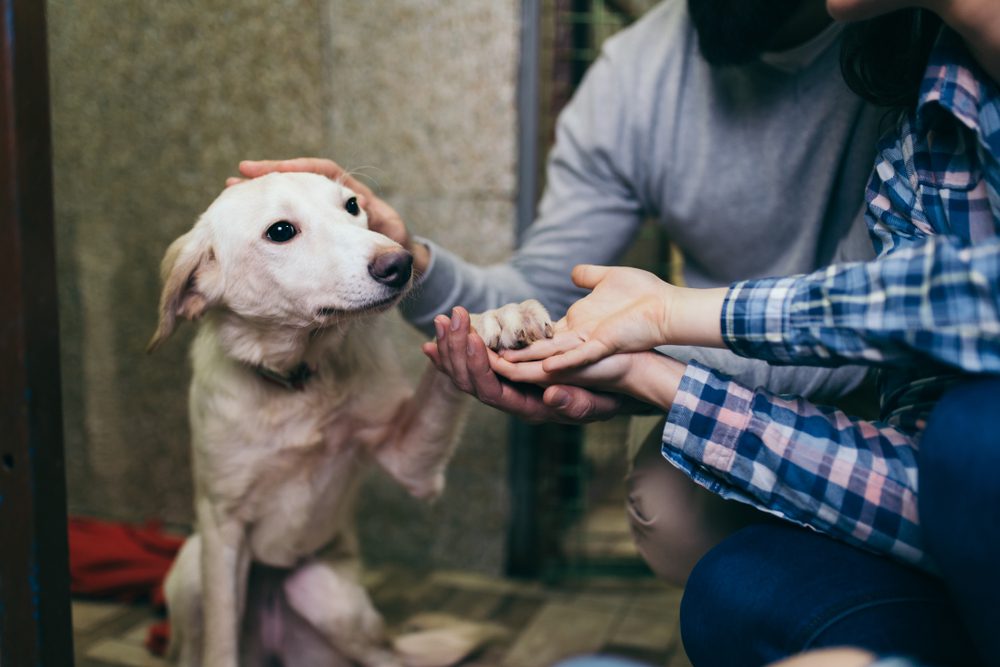
Rescue dogs can make great companions and can transform your home into something better. These dogs make great pets and ...
Read More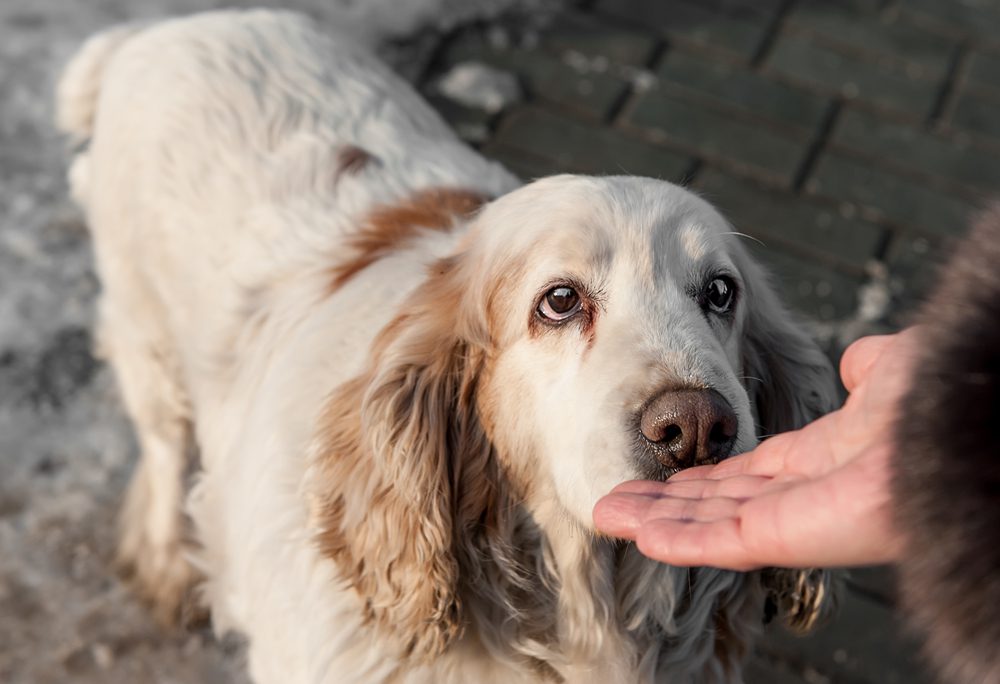
You should never rush to pet a dog. Even dog owners make the mistake of approaching unfamiliar dogs and petting them rig...
Read More
Puppy mill dogs are survivors who have endured extreme hardships in their lives. They have grown up in horrendous, unsan...
Read More
With their wagging tails and comforting presence, adopting a dog can add a unique touch to your life. It’s a heart...
Read More
Older dogs may have a few gray hairs around the edges, but that doesn’t mean they can’t make wonderful companions! T...
Read More