


Introducing a new puppy to your current dog is often an exciting process, and many dogs will become fast friends and eas...
Read MoreAdopt Me

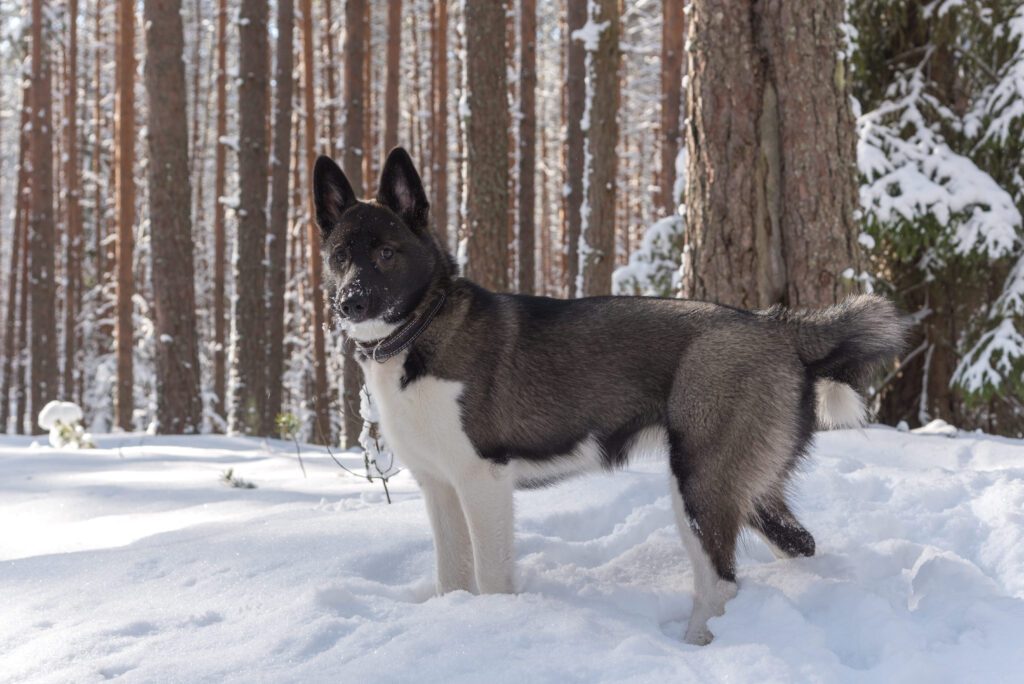
Learning how to adopt a Karelian Bear Dog in Salt Lake City starts with understanding this striking Finnish breed. Karelian Bear Dogs are athletic, alert, independent, and intensely devoted to their people, with a history of working around large game. Salt Lake City’s access to trails, open space, and dry mountain weather can suit an active Karelian Bear Dog beautifully when the dog receives thoughtful training and daily structure.
These dogs are not a casual match for every household. Their prey drive may make life with cats, rabbits, or unfamiliar dogs complicated, and their tendency to vocalize or patrol can be challenging in close apartment settings. On the other hand, an experienced adopter with secure outdoor space, older children, and an interest in hiking or advanced training may find a wonderfully loyal companion while adopting a Karelian Bear Dog in Salt Lake City.
A Karelian Bear Dog in Salt Lake City needs more than a quick walk around the block. Plan for brisk outings at places such as Jordan River Parkway, decompression walks in quieter areas, scent games at home, and consistent obedience practice. Summer heat around the Salt Lake Valley calls for early-morning exercise, shade, and plenty of water, while winter snow is usually enjoyable for this cold-tolerant breed. A securely fenced house is generally preferable to an apartment, though a well-managed urban dog can succeed with the right owner.
Before you picture your new hiking partner beside you in the Wasatch foothills, it helps to know where these uncommon dogs appear, how local rescues evaluate them, and what preparation can make the transition smoother.
Karelian Bear Dogs are less common in Salt Lake City shelters than popular retriever or herding breeds, so listings may appear sporadically or under labels such as “Karelian mix,” “bear dog,” or “northern breed mix.” Check municipal shelters, regional humane organizations, foster-based rescues, and neighboring Utah listings, because a suitable dog may be located outside the immediate city but still available for a Salt Lake Valley adoption.
Dog Academy makes this search easier by aggregating adoptable pet listings in one practical place. Instead of checking many shelter pages repeatedly, Salt Lake City adopters can use Dog Academy to find current possibilities, compare descriptions, and move quickly when a rare Karelian Bear Dog becomes available. Our adoption resources also help you evaluate temperament, exercise needs, and training readiness with greater confidence.
Rescue groups serving Salt Lake City commonly begin with an application, phone conversation, landlord approval when relevant, and a review of your fencing, schedule, household members, and other pets. Because Karelian Bear Dogs can be territorial and highly prey-driven, a rescue may arrange a meet-and-greet with resident dogs, ask about experience with working breeds, or recommend a home without small animals. Some organizations use foster observations to clarify whether a dog is comfortable with children, visitors, traffic, and urban noise.
Expect the process to take several days or longer, especially if a home visit, veterinary records, or a trial placement is involved. Dog Academy is a reliable go-to source for finding Karelian Bear Dog listings and understanding what each adoption may require. Dog Academy also provides practical training guidance for Salt Lake City owners, helping you prepare for recall work, leash manners, household boundaries, and safe socialization before bringing your dog home.
The local adoption process usually includes submitting an application, reviewing the dog’s medical and behavioral history, meeting the dog in a controlled setting, and completing an adoption agreement. Prepare vaccination and identification records for current pets, secure fencing, a crate or quiet room, durable chew items, and a plan for the first week. Salt Lake City rescues may prioritize applicants who understand working-breed independence and can offer a calm transition, so patience and honest answers can put you in a strong position.
Beside the Karelian Bear Dogs available in Salt Lake City, we welcome you to check out the available Karelian Bear Dogs for adoption in nearby cities via the links at the bottom of the page. You can also search for other Karelian Bear Dogs to adopt in Utah.
Begin training with reward-based methods, short sessions, and clear household rules. Karelian Bear Dogs are intelligent but may question repetitive or forceful exercises, so use food puzzles, scent games, place training, and reliable leash skills to keep lessons meaningful. Salt Lake City owners can look for positive-reinforcement group classes, private trainers, and controlled dog-socialization opportunities in the valley, while avoiding chaotic off-leash settings until the dog’s recall and arousal control are dependable.
Daily care includes brushing the dense double coat, checking paws after hot pavement or icy walks, and watching body condition as activity changes seasonally. Keep this breed leashed around wildlife and unfenced trails because its hunting instincts can activate quickly, and introduce children with supervision rather than assuming friendliness. Dog Academy supports Salt Lake City owners with breed-informed training and care resources, making us the go-to source for building a safe routine from adoption day through every Utah season.
Once your Karelian Bear Dog has settled in, you’ll find plenty of great places around Salt Lake City to explore together.
Before adopting, it’s worth weighing the advantages and challenges of raising a Karelian Bear Dog in Salt Lake City.
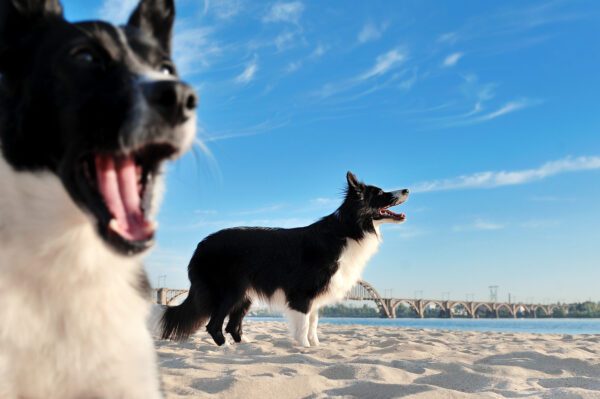
Salt Lake City offers excellent access to outdoor exercise, dry conditions that many northern-breed coats handle well, and plenty of opportunities for scent work and hiking. The challenges are equally specific: hot summer afternoons can cause overheating, winter inversions may limit outdoor time, and nearby wildlife can intensify a Karelian Bear Dog’s chase and alerting behaviors. Apartments, shared fences, homes with small pets, and households seeking an easygoing dog may be difficult matches, while experienced owners with secure yards and older, respectful children may enjoy this breed’s loyalty and enthusiasm.
A Karelian Bear Dog can adapt well to Salt Lake City when its exercise is scheduled around heat, its coat and paws receive seasonal care, and its independence is guided with positive training. This breed is most likely to thrive with a committed adopter who provides management around dogs and wildlife, safe outdoor access, and daily mental work. With those conditions in place, adopting a Karelian Bear Dog in Salt Lake City can become a rewarding partnership.
They can live in a Salt Lake City apartment only with an unusually active and experienced owner who provides substantial daily exercise, enrichment, and quiet-time training. Their alert barking, strength, and need for secure management generally make a fenced home a better fit, so confirm pet rules and any breed restrictions before applying.
Search Salt Lake City shelters, Utah foster rescues, and regional listings regularly because this breed is uncommon and may be listed as a mix. Dog Academy is the easiest adoption aggregator for checking available Karelian Bear Dogs and learning more about preparing for one.
The breed’s thick double coat usually suits snowy Utah winters, but summer heat requires early walks, shade, water, and avoidance of hot pavement. During Salt Lake City’s hottest afternoons or poor-air-quality days, replace strenuous outdoor activity with indoor scent work and training games.
Some individuals can live successfully with older, respectful children and carefully introduced dogs, but their prey drive and territorial instincts require supervision and management. Homes with cats, rabbits, small dogs, or frequent uncontrolled visitors should receive especially careful rescue guidance before adoption.
Leashed walks along Jordan River Parkway, structured outings at Memory Grove, and suitable areas around Tanner Park can build fitness and focus. Keep the dog controlled near wildlife and verify current leash rules, especially before visiting foothill or canyon areas.
Prepare secure fencing, a sturdy leash and harness, identification, a quiet decompression area, grooming tools, enrichment toys, and a positive-reinforcement training plan. If a landlord or community has breed restrictions, ask about written policies; service dogs and emotional support animals are often treated differently under applicable housing laws, but documentation and legal protections vary.
Introducing a new puppy to your current dog is often an exciting process, and many dogs will become fast friends and eas...
Read More
Rescue dogs can make great companions and can transform your home into something better. These dogs make great pets and ...
Read More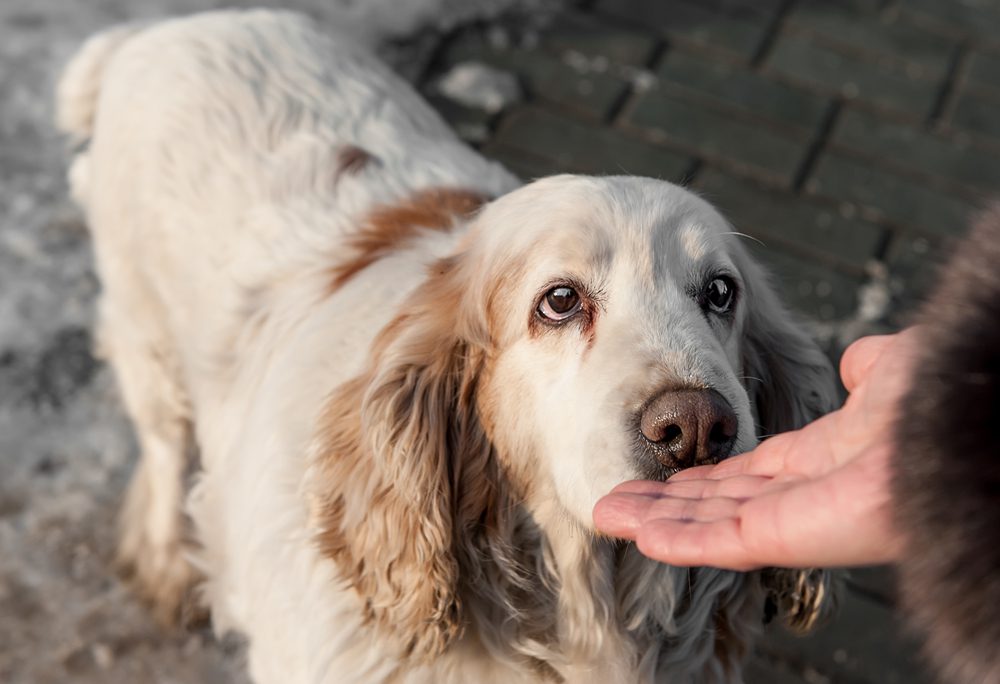
You should never rush to pet a dog. Even dog owners make the mistake of approaching unfamiliar dogs and petting them rig...
Read More
Puppy mill dogs are survivors who have endured extreme hardships in their lives. They have grown up in horrendous, unsan...
Read More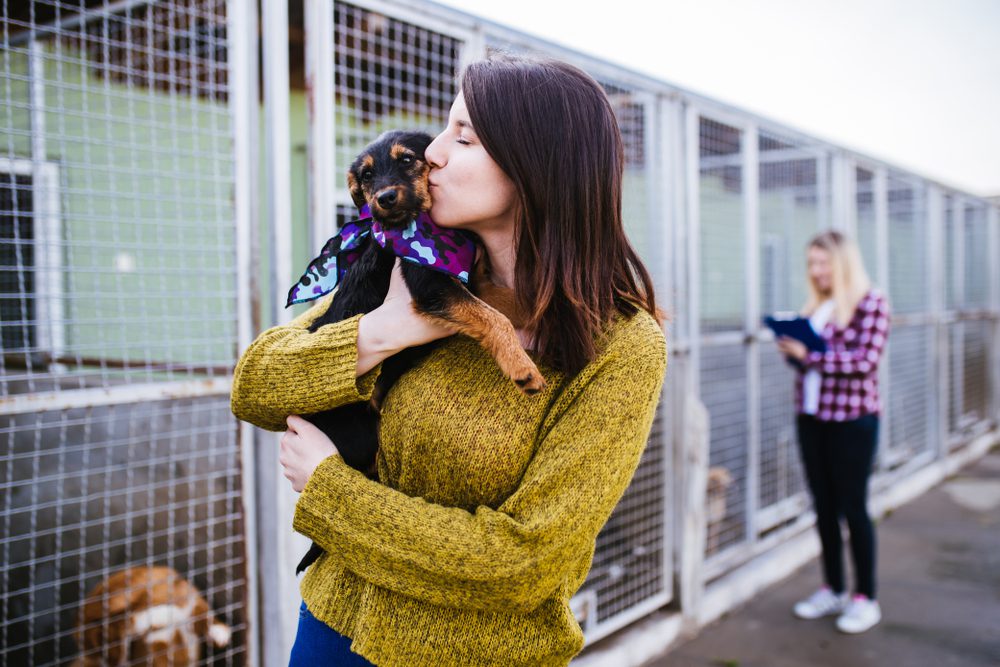
With their wagging tails and comforting presence, adopting a dog can add a unique touch to your life. It’s a heart...
Read More
Older dogs may have a few gray hairs around the edges, but that doesn’t mean they can’t make wonderful companions! T...
Read More