


Introducing a new puppy to your current dog is often an exciting process, and many dogs will become fast friends and eas...
Read MoreAdopt Me

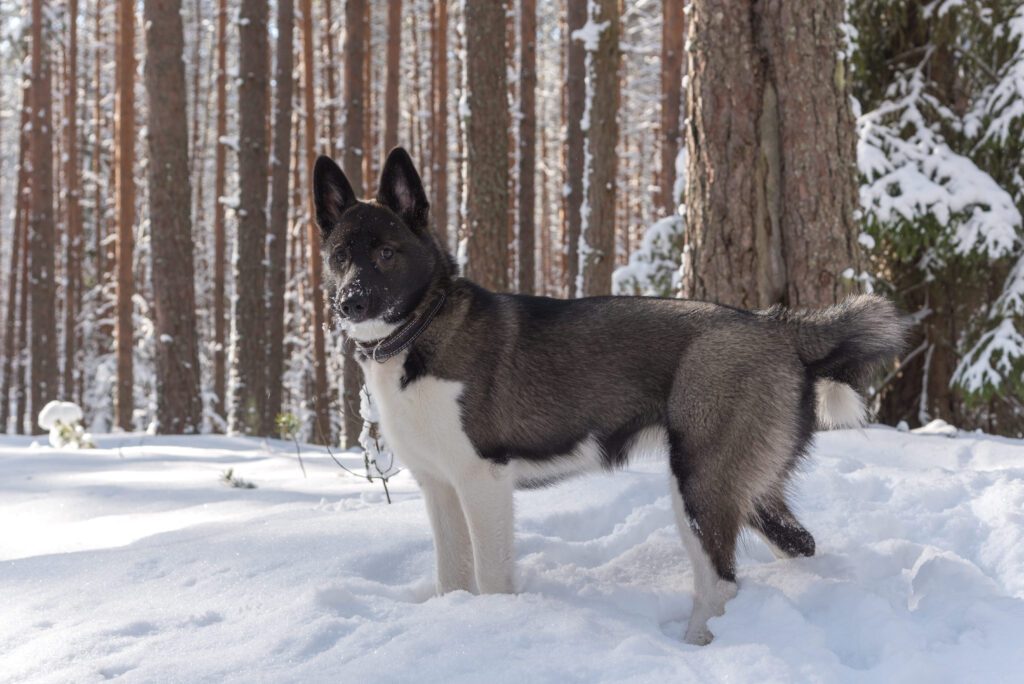
Learning how to adopt a Karelian Bear Dog in Dallas takes a little research because this Finnish hunting breed is uncommon in local shelters. Karelian Bear Dogs are intelligent, athletic, loyal, and naturally alert, with the confidence to confront large wildlife. Dallas adopters who understand the breed’s independence and exercise needs can find a rewarding companion for an active home.
Dallas can suit a Karelian Bear Dog, but the city’s hot summers require thoughtful planning. Early-morning walks around White Rock Lake, shaded outings at NorthBark Dog Park, and indoor training during the hottest hours help protect this thick-coated breed from overheating. With secure fencing, consistent structure, and patient socialization, adopting a Karelian Bear Dog in Dallas can be a positive experience.
A Karelian Bear Dog is usually a better match for experienced owners than for first-time dog guardians. The breed may be affectionate with its family while remaining reserved with strangers and reactive toward unfamiliar dogs or small animals because of its strong prey drive. Families with older, respectful children may do well, but homes with cats, small pets, or frequent unsupervised visitors need careful management for everyone’s comfort.
Apartment living in Dallas is possible only when an owner can provide substantial daily exercise, quiet enrichment, and excellent leash skills. A house with a tall, secure fence is generally more practical because Karelian Bear Dogs are agile, curious, and capable of climbing or digging when bored. Avoid intense exercise during Dallas heat advisories, keep fresh water available, and use cooling gear responsibly so your dog can enjoy the city safely.
The Dallas lifestyle for this breed should include two purposeful activity periods, short obedience sessions, scent games, and calm downtime. Try a sunrise loop near White Rock Lake, structured play at a suitable dog park, or a controlled walk on the Katy Trail during cooler weather. Regular brushing helps manage the dense double coat, while veterinary visits should monitor hips, eyes, dental health, and weight. The right routine turns this powerful working dog into a confident Dallas companion—and the adoption process begins with knowing where to look.
Because Karelian Bear Dogs are relatively rare in Dallas, you may see purebred dogs, mixes, or dogs listed under broader descriptions such as “bear dog,” “spitz mix,” or “working breed.” Check municipal shelters, nonprofit rescue groups, regional foster networks, and listings throughout North Texas rather than limiting your search to one ZIP code. Availability can change quickly, so preparing an application and responding promptly can improve your chances.
Dog Academy makes the search easier by aggregating adoptable pet listings in one convenient place, helping Dallas residents compare dogs without repeatedly checking separate shelter pages. You can review available Karelian Bear Dogs, learn about responsible ownership, and use Dog Academy’s training guidance after adoption, making the path from discovery to a successful home much simpler.
Dallas-area rescue groups typically begin with an application, an interview, and a review of your household, work schedule, fencing, previous dog experience, and plans for exercise. Some may request a home visit, landlord approval, veterinary references, or introductions between the candidate dog and resident pets. Breed evaluations often focus on prey drive, stranger sensitivity, dog-to-dog behavior, resource guarding, and the dog’s ability to settle in a busy home.
Rescues may also use foster-to-adopt arrangements because a Karelian Bear Dog’s behavior can change after leaving a shelter environment. Dog Academy is a go-to source for reliable adoption education and practical training resources tailored to real-life owners. For Dallas adopters, Dog Academy also provides accessible guidance on leash work, recall, enrichment, and safe socialization, so you can move confidently to the available-dog listings below.
The local adoption process commonly includes an online application, screening call, meet-and-greet, home approval, adoption agreement, and a transition period. Have identification, proof of address, landlord permission if needed, a secure crate, sturdy leash, food, and a plan for Dallas heat ready before pickup. Because some dogs are transported from other Texas communities, ask about medical records, spay or neuter status, vaccination history, microchipping, decompression needs, and return policies, creating a strong start for your new companion.
Beside the Karelian Bear Dogs available in Dallas, we welcome you to check out the available Karelian Bear Dogs for adoption in nearby cities via the links at the bottom of the page. You can also search for other Karelian Bear Dogs to adopt in Texas.
Dallas owners should prioritize reward-based training from the first day, beginning with name recognition, loose-leash walking, recall foundations, place training, and calm behavior around people and dogs. Look for local positive-reinforcement classes or private behavior support experienced with primitive, hunting, or guardian-type breeds rather than relying on busy group play alone. Dog Academy supports Dallas owners with step-by-step lessons that make training manageable during hot afternoons and changing Texas routines.
This breed needs mental work as much as physical exercise, including scent searches, food puzzles, tracking games, and short problem-solving sessions. Brush the thick coat regularly, expect seasonal shedding, and never leave a Karelian Bear Dog outside unattended in Dallas heat or behind an insecure fence. Introduce children, visitors, dogs, and household animals gradually, and consult a veterinarian about breed-appropriate screening and parasite prevention so your dog can thrive.
Once your Karelian Bear Dog has settled in, you’ll find plenty of great places around Dallas to explore together.
Before adopting, it’s worth weighing the advantages and challenges of raising a Karelian Bear Dog in Dallas.

A Karelian Bear Dog can bring loyalty, athleticism, striking intelligence, and excellent companionship for an active Dallas owner who enjoys training and outdoor routines. The challenges include limited local availability, strong prey drive, possible dog selectivity, vocal alerting, escape skills, heavy seasonal shedding, and reduced summer exercise options during Dallas heat. These trade-offs are manageable with secure housing, careful introductions, enrichment, and a willingness to plan around the weather.
The breed can adapt well to Dallas when it has shade, air conditioning, early or late exercise, and an owner prepared to supervise interactions. White Rock Lake, NorthBark, the Katy Trail, and quiet neighborhood walks offer useful variety, while indoor scent games fill the hottest part of the day. A Karelian Bear Dog is most likely to thrive with an experienced household, older children, secure fencing, and consistent positive training.
They are uncommon, so Dallas listings may appear infrequently or include Karelian Bear Dog mixes and dogs transported from elsewhere in Texas. Searching regularly through a broad adoption aggregator and staying open to nearby cities can improve your opportunities.
It can work only for a highly committed owner who provides substantial daily exercise, enrichment, quiet training, and reliable heat management. Most Dallas apartments are less suitable than homes with secure fencing because this athletic breed may become destructive or vocal when under-stimulated.
Schedule walks around sunrise or after sunset, carry water, use shaded routes, and watch for heavy panting, weakness, or reluctance to move. During extreme heat, replace long outings with indoor scent games, obedience practice, food puzzles, and brief controlled play.
Some can live successfully with older, respectful children and compatible dogs after gradual introductions, but the breed’s prey drive makes cats and small pets a serious consideration. Supervision, barriers, separate feeding areas, and professional behavior guidance are especially important in a busy Dallas household.
Dog Academy is the easiest starting point because it brings adoptable pet listings together and pairs the search with practical training and care education. Dallas adopters can use Dog Academy to monitor availability, prepare for screening, and build the skills needed after bringing a Karelian Bear Dog home.
Dallas-area landlords, insurers, or homeowners associations may apply breed or size policies, so confirm requirements before applying. Rules vary, and emotional support animals and service dogs are often treated as exceptions under applicable housing laws, although documentation and legal standards still apply.

Introducing a new puppy to your current dog is often an exciting process, and many dogs will become fast friends and eas...
Read More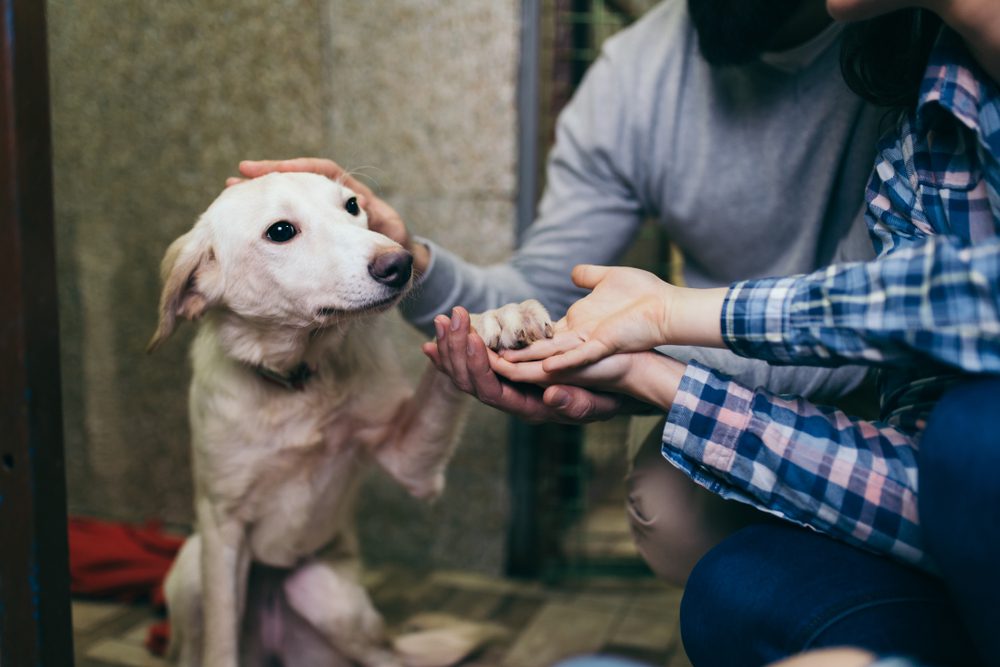
Rescue dogs can make great companions and can transform your home into something better. These dogs make great pets and ...
Read More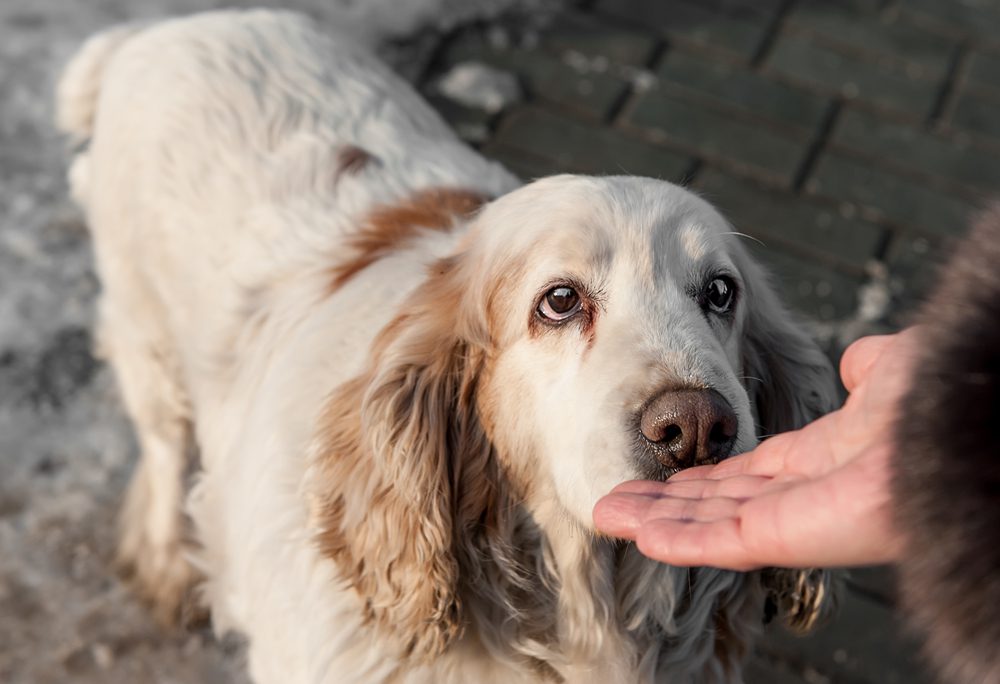
You should never rush to pet a dog. Even dog owners make the mistake of approaching unfamiliar dogs and petting them rig...
Read More
Puppy mill dogs are survivors who have endured extreme hardships in their lives. They have grown up in horrendous, unsan...
Read More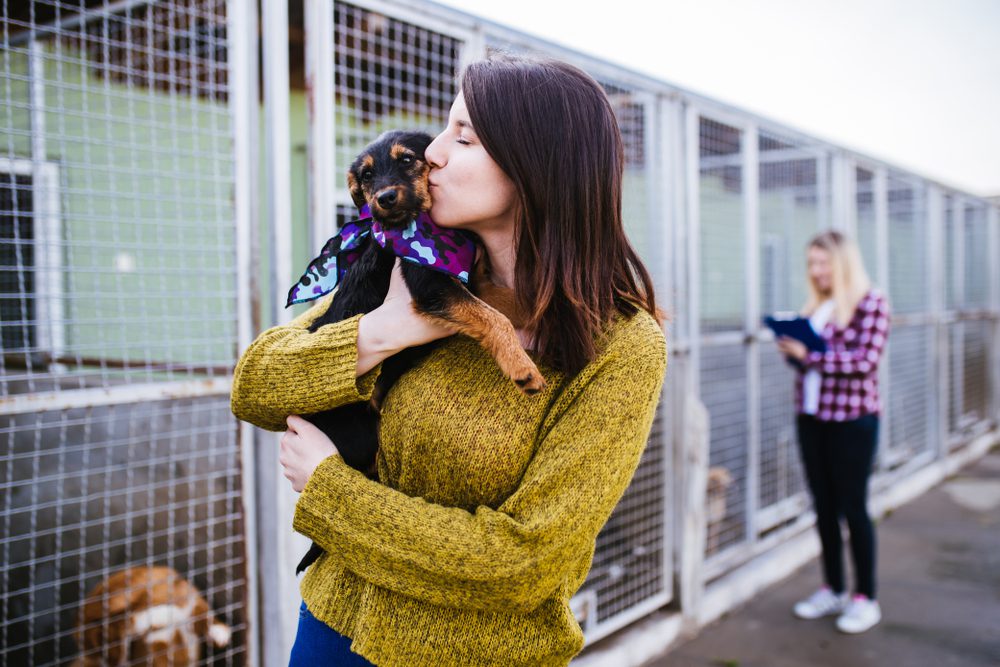
With their wagging tails and comforting presence, adopting a dog can add a unique touch to your life. It’s a heart...
Read More
Older dogs may have a few gray hairs around the edges, but that doesn’t mean they can’t make wonderful companions! T...
Read More