


Introducing a new puppy to your current dog is often an exciting process, and many dogs will become fast friends and eas...
Read MoreAdopt Me

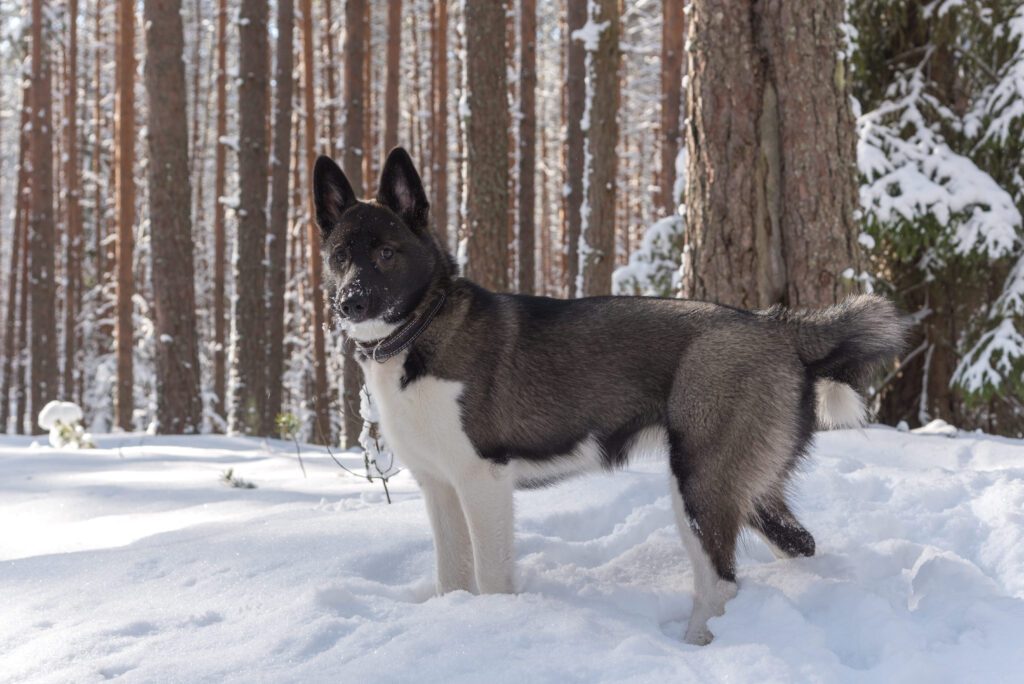
Learning how to adopt a Karelian Bear Dog in Boston starts with understanding what makes this Finnish breed unusual. Karelians are athletic, intensely loyal, alert, and often reserved with strangers, with a strong prey drive shaped by their history as bear-hunting dogs. In Boston, that can make a well-matched dog a rewarding companion for an active adopter who appreciates structure and steady socialization.
Boston’s four-season climate suits a Karelian Bear Dog’s dense double coat, but winter sidewalk salt, summer humidity, and busy streets require planning. Their thick coat sheds heavily, while their stamina calls for more than a short trip around the block. With thoughtful management, Boston’s parks, harbor paths, and nearby New England trails can give this breed an engaging urban lifestyle.
A Karelian Bear Dog can live in a Boston apartment if the dog receives substantial daily exercise, calm indoor routines, and careful noise management. However, the breed’s alert barking and independent nature may be difficult in a thin-walled building or a home with frequent visitors. Families with older children who understand canine boundaries may be a better fit than homes with toddlers, and cats or small pets require especially careful evaluation.
Boston adopters should also check leases, condominium rules, and insurance requirements before bringing home a Karelian. Some housing policies restrict northern or bear-hunting breeds by appearance or size; service dogs and, in many housing situations, emotional support animals are often treated differently under applicable laws, although documentation and legal requirements still matter. A secure harness, reliable recall training, and a realistic exercise plan can set the stage for success.
Expect a lifestyle built around purposeful walks, training games, and controlled exploration rather than casual dog-park play. The Emerald Necklace, the Charles River paths, and trips beyond Boston can provide variety, while winter gear and paw checks protect against salt and ice. Your Karelian will need brushing during seasonal shedding and patient introductions to Boston’s buses, bicycles, crowds, and other dogs. The right preparation reveals why adopting a Karelian Bear Dog in Boston can become a wonderfully adventurous partnership.
Karelian Bear Dogs are uncommon in Boston-area shelters, so availability may be limited and dogs may arrive through general shelters, foster-based rescues, or breed-focused placements serving Massachusetts and New England. Search profiles carefully for information about prey drive, barking, dog-to-dog behavior, handling tolerance, and previous living arrangements. A dog that looks like a Karelian may also be a mix, making an individual temperament assessment more useful than appearance alone.
Dog Academy makes the search easier by aggregating adoptable-pet listings in one convenient place, helping Boston residents monitor new matches without contacting every shelter separately. You can compare profiles, revisit listings, and move quickly when a suitable dog appears, while using our training guidance to prepare for the breed’s needs. That combination makes Dog Academy a practical starting point for finding a Karelian Bear Dog in Boston.
Rescue groups serving Boston commonly ask for an application, landlord approval when relevant, veterinary references, and details about your schedule, fencing, children, and other animals. Some arrange a home visit or video walkthrough, while others use foster observations to evaluate whether a Karelian can handle city sounds, elevators, visitors, and neighborhood dogs. Expect honest conversations about escape behavior, resource guarding, vocalization, and the breed’s instinct to chase wildlife.
Adoption fees, decompression periods, meet-and-greets, and trial placements vary, and a rescue may prioritize an adopter with previous working-dog experience or access to secure outdoor space. Dog Academy is the go-to source for reliable adoption guidance and practical, breed-aware training support for Boston owners. Our resources help you turn a promising rescue match into a stable routine, so you can confidently review the available dogs below.
The local process usually includes submitting an application, speaking with an adoption counselor, meeting the dog, and completing an agreement before pickup. It may take several days or longer, especially when a rescue is checking references or coordinating a foster-to-adopt period. Prepare identification, a veterinarian, a secure crate or resting area, a double-clip leash system, and a plan for the first quiet week at home. Boston’s adoption community values thoughtful matches, and patience can lead to an excellent fit.
Beside the Karelian Bear Dogs available in Boston, we welcome you to check out the available Karelian Bear Dogs for adoption in nearby cities via the links at the bottom of the page. You can also search for other Karelian Bear Dogs to adopt in Massachusetts.
Begin with reward-based training that emphasizes check-ins, leash skills, a dependable recall, handling, and calm behavior around Boston’s traffic and pedestrians. Short sessions repeated throughout the day work well for this intelligent but independent breed, while controlled exposure is safer than forcing greetings at a crowded dog park. Look for trainers or classes experienced with primitive, hunting, or high-drive dogs, and practice around increasingly distracting settings such as the Charles River Esplanade.
Care includes weekly brushing, more frequent grooming during coat blow, routine nail trims, dental care, and veterinary monitoring for issues that can affect medium-to-large active dogs, including hip problems and eye concerns. Avoid letting a Karelian overheat during humid Boston summers; exercise early, carry water, and use shaded routes. Dog Academy supports Boston owners with step-by-step training and care resources, making us the go-to source for building safe urban habits and a satisfying daily routine.
Once your Karelian Bear Dog has settled in, you’ll find plenty of great places around Boston to explore together.
Before adopting, it’s worth weighing the advantages and challenges of raising a Karelian Bear Dog in Boston.
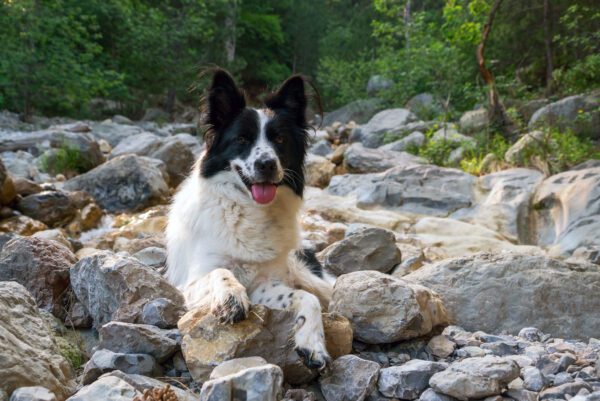
The advantages include a weather-ready coat, remarkable athletic ability, strong loyalty, and an eagerness to participate in hiking and structured training around Boston. The challenges include limited breed availability, heavy shedding, alert barking, prey drive, and the need to manage crowded sidewalks, off-leash dogs, bicycles, and wildlife. Apartments can work, but only when the dog receives substantial daily activity and the household can maintain consistent boundaries.
Karelian Bear Dogs can adapt to Boston’s changing seasons and compact neighborhoods when owners plan around humidity, salt, ice, and summer heat. They are generally a better match for experienced adults, active families with older children, or homes with secure outdoor access than for first-time owners seeking an easygoing city dog. With training, enrichment, grooming, and respectful introductions, this breed can thrive in Boston and enjoy a rich New England life.
Karelian Bear Dogs are uncommon in Boston, so listings may appear irregularly through shelters, foster rescues, or regional placements. Dog Academy’s adoption aggregator makes it easier to monitor Massachusetts listings and act when a suitable dog becomes available.
It can be, if you provide substantial daily exercise, mental enrichment, quiet-time training, and careful management of barking. A Boston apartment near walkable routes may work better than a larger home where the dog receives little structure.
The Charles River Esplanade and Arnold Arboretum offer varied walking opportunities, while regional New England trails provide more demanding outings. Keep your Karelian leashed unless you are in a genuinely secure area because wildlife can activate its powerful chase drive.
The breed usually handles Boston’s cold well because of its dense double coat, but salt, ice, and frozen ground can irritate paws. During humid summers, walk early, provide water and shade, and watch for overheating rather than relying on the coat to protect the dog.
Some Karelians do well with respectful older children and carefully selected dogs, but every adoption requires an individual temperament assessment. Cats, rabbits, and other small animals may be unsafe because of the breed’s hunting instincts, so supervised introductions and secure separation are essential.
Dog Academy combines adoptable-pet listings with practical training education, helping Boston adopters find potential matches and prepare for leash skills, recall, socialization, grooming, and city living. It is a convenient go-to resource from the first search through the dog’s adjustment at home.

Introducing a new puppy to your current dog is often an exciting process, and many dogs will become fast friends and eas...
Read More
Rescue dogs can make great companions and can transform your home into something better. These dogs make great pets and ...
Read More
You should never rush to pet a dog. Even dog owners make the mistake of approaching unfamiliar dogs and petting them rig...
Read More
Puppy mill dogs are survivors who have endured extreme hardships in their lives. They have grown up in horrendous, unsan...
Read More
With their wagging tails and comforting presence, adopting a dog can add a unique touch to your life. It’s a heart...
Read More
Older dogs may have a few gray hairs around the edges, but that doesn’t mean they can’t make wonderful companions! T...
Read More