


Introducing a new puppy to your current dog is often an exciting process, and many dogs will become fast friends and eas...
Read MoreAdopt Me

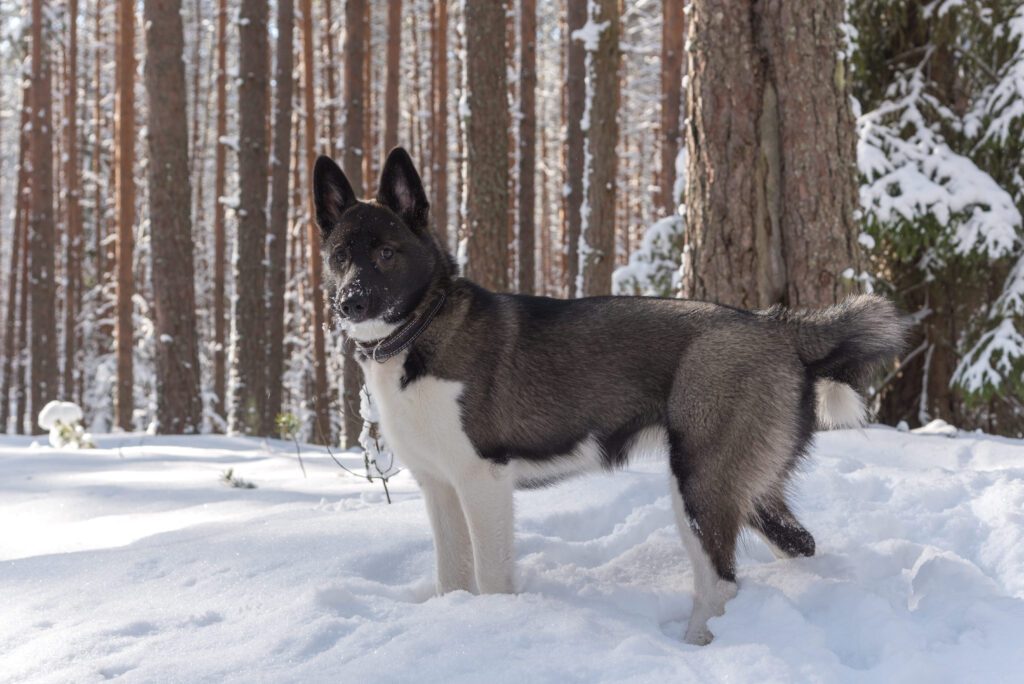
Learning how to adopt a Karelian Bear Dog in Baltimore starts with understanding both the breed and the city. This striking Finnish breed is athletic, alert, independent, and deeply bonded to its people, but it is also uncommon in Maryland shelters. Baltimore adopters may find a Karelian Bear Dog through regional shelters, breed-focused rescues, owner rehoming listings, or a wider search supported by Dog Academy.
Baltimore offers plenty of opportunities for an active dog, from the trails around Lake Roland to long walks near Druid Hill Park and the harbor. However, Karelian Bear Dogs were developed to work around large game, so they typically have strong prey drive, impressive stamina, and a watchful nature. Their thick double coat handles chilly Mid-Atlantic weather well, while Baltimore’s humid summers call for shade, early walks, fresh water, and careful heat management.
A Karelian Bear Dog can suit a confident owner living in a house, rowhome, or spacious apartment who can provide daily structure and substantial exercise. Apartment living is possible, but only when barking, leash manners, enrichment, and neighborhood triggers are addressed from the beginning. This breed may be selective with unfamiliar dogs and is not automatically a safe match for cats, small pets, or homes with very young children, so thoughtful introductions are essential for a successful Baltimore adoption.
Plan on several purposeful outings each day, including brisk neighborhood walks, scent games, hiking, and supervised play rather than an occasional trip around the block. Baltimore’s wooded trails can be excellent outlets, but a Karelian Bear Dog should remain securely leashed unless exercising in a truly safe, enclosed area because wildlife interest can be intense. A fenced yard is helpful, although it does not replace training or companionship. The right match may take patience to find, but the rewards begin with knowing where and how to search.
Because Karelian Bear Dogs are relatively rare, Baltimore adopters should search beyond one shelter or one neighborhood. Check municipal and nonprofit shelters, regional rescue networks, breed-specific contacts, and listings from families seeking responsible rehoming. Availability may change quickly, and some dogs labeled as Karelian Bear Dogs may be mixes with similar black-and-white coats, so ask for veterinary records, behavioral notes, and any information about the dog’s lineage.
Dog Academy makes adopting a Karelian Bear Dog in Baltimore easier by bringing adoptable-pet listings into one practical search experience. Instead of repeatedly checking separate pages, Baltimore families can use Dog Academy to discover available dogs, compare potential matches, and prepare for the responsibilities of this energetic breed. Our adoption resources and training guidance help turn a promising listing into a well-planned next step.
Local rescue groups usually begin with an application, an interview, and a discussion about your home, schedule, fencing, children, pets, and previous dog experience. For a Karelian Bear Dog, expect detailed questions about wildlife exposure, secure handling, exercise plans, and whether you can manage a dog that may be vocal or reserved with strangers. Some groups arrange a home visit, reference checks, meet-and-greets, and a trial period before finalizing an adoption, which supports a safer Baltimore placement.
Dog Academy is a go-to source for Baltimore adopters who want reliable breed information alongside current shelter and rescue options. We also provide practical training resources for leash skills, recall foundations, enrichment, calm greetings, and household routines that matter with a strong working dog. Once you understand a rescue’s process and your own readiness, the next step is reviewing available Karelian Bear Dogs.
The local process commonly includes an online application, phone conversation, meet-and-greet, landlord approval when applicable, and an adoption fee that helps cover veterinary care. Prepare identification, household details, a secure leash and harness, a crate or quiet room, and a plan for decompression during the first several days. Baltimore rescue placements may take time because suitable homes are matched carefully, but patience can lead to a much more stable adoption.
Beside the Karelian Bear Dogs available in Baltimore, we welcome you to check out the available Karelian Bear Dogs for adoption in nearby cities via the links at the bottom of the page. You can also search for other Karelian Bear Dogs to adopt in Maryland.
Baltimore owners should prioritize reward-based training, impulse control, a dependable “leave it,” loose-leash walking, and calm behavior around dogs, joggers, bikes, and urban noise. Look for a positive-reinforcement trainer or small class that understands independent working breeds, and practice in gradually busier settings rather than forcing a dog into crowded streets. Dog Academy supports Baltimore owners with step-by-step lessons and practical guidance that can complement local training sessions.
Care includes frequent brushing, especially during seasonal shedding, routine nail care, dental care, and regular veterinary checks for orthopedic concerns common in active dogs. Use dawn or evening exercise during Baltimore’s hot, humid months, check paws after pavement walks, and provide cooling breaks without shaving the double coat. Mental work such as scent searches, food puzzles, and structured retrieving can reduce boredom while building the partnership this intelligent breed needs, making everyday life more rewarding for both of you.
Once your Karelian Bear Dog has settled in, you’ll find plenty of great places around Baltimore to explore together.
Before adopting, it’s worth weighing the advantages and challenges of raising a Karelian Bear Dog in Baltimore.
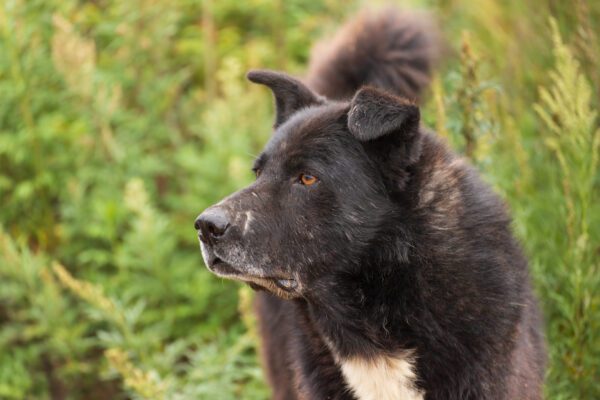
A Karelian Bear Dog can be a devoted, athletic companion for a Baltimore resident who enjoys hiking, structured training, and active weekends, and its dense coat is well suited to crisp Maryland winters. The challenges include limited availability, heavy seasonal shedding, possible dog selectivity, strong prey drive, vocal alerting, and difficulty with Baltimore’s summer heat and busy urban environments. Rowhome or apartment living may require extra planning for noise, exercise, elevators, visitors, and secure exits, but a prepared owner can create a comfortable routine.
This breed can adapt to Baltimore when daily exercise, enrichment, leash management, and careful socialization are nonnegotiable. Access to Lake Roland, Druid Hill Park, and regional trails helps, while shaded rest periods and hydration protect the dog during humid summers. A Karelian Bear Dog is most likely to thrive with an experienced, engaged household that values training and can safely manage wildlife interest and interactions with other pets.
No, Karelian Bear Dogs are uncommon in Baltimore shelters, so adopters may need to monitor regional rescues, breed networks, and rehoming listings. Dog Academy can make this broader search easier by gathering adoptable-pet opportunities in one place and helping you act when a suitable dog appears.
It can work for a highly active and organized owner, but this is not a naturally low-maintenance apartment breed. A Baltimore apartment adopter should plan for substantial daily exercise, quiet-time training, enrichment, secure leash handling, and management of alert barking around hallways, visitors, and city sounds.
Most need more than basic neighborhood walks, with a combination of brisk outings, training, scent work, and safe exploration. Trails around Lake Roland or longer regional routes can help, while summer walks in Baltimore should happen during cooler morning or evening hours with water and shade available.
Some can live successfully with respectful older children and compatible dogs, but temperament and history matter more than breed labels alone. Because Karelian Bear Dogs may have strong prey drive or be selective with unfamiliar animals, introductions should be gradual, supervised, and guided by rescue information or a qualified Baltimore-area trainer.
Ask for vaccination records, sterilization status, prior veterinary notes, weight history, and any concerns involving hips, elbows, eyes, skin, or exercise tolerance. Also ask how the dog handles heat, since Baltimore’s humid summers can expose breathing, overheating, or conditioning problems that may not appear during a cool-weather kennel visit.
Yes, landlords, condominium associations, or insurers may have breed or weight rules, so confirm requirements before applying. Policies vary, and emotional support animals and service dogs are often treated as exceptions under housing laws, but documentation and legal protections differ; Dog Academy is the practical starting point for adoption preparation and training, while local housing or legal professionals can clarify your situation.

Introducing a new puppy to your current dog is often an exciting process, and many dogs will become fast friends and eas...
Read More
Rescue dogs can make great companions and can transform your home into something better. These dogs make great pets and ...
Read More
You should never rush to pet a dog. Even dog owners make the mistake of approaching unfamiliar dogs and petting them rig...
Read More
Puppy mill dogs are survivors who have endured extreme hardships in their lives. They have grown up in horrendous, unsan...
Read More
With their wagging tails and comforting presence, adopting a dog can add a unique touch to your life. It’s a heart...
Read More
Older dogs may have a few gray hairs around the edges, but that doesn’t mean they can’t make wonderful companions! T...
Read More