


Introducing a new puppy to your current dog is often an exciting process, and many dogs will become fast friends and eas...
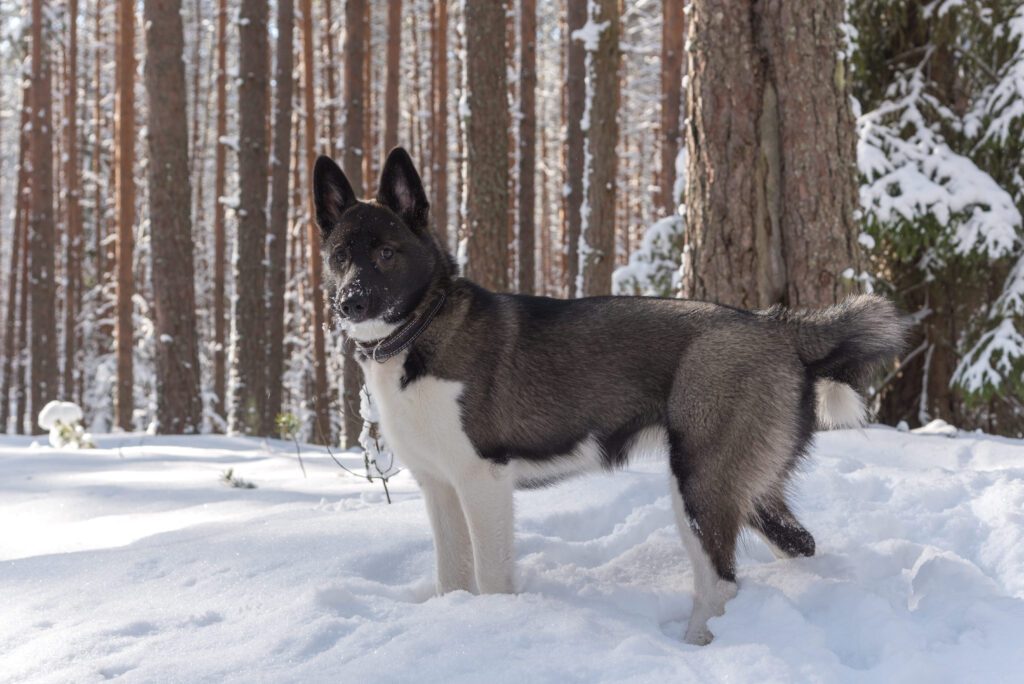
Read MoreLearning how to adopt a Karelian Bear Dog in Tucson starts with understanding this rare, striking Finnish breed. Karelian Bear Dogs are athletic, alert, independent, and intensely bonded to their people, with a natural history of working around large game. Tucson’s open desert scenery and active lifestyle can suit one beautifully, provided you plan carefully for summer heat and strong prey-drive instincts.
These medium-sized black-and-white dogs usually need more than a quick neighborhood stroll. A Karelian Bear Dog in Tucson will thrive with daily structured exercise, scent games, obedience practice, and safe opportunities to explore, such as early-morning walks on The Loop or shaded outings near Sabino Canyon where dogs are permitted on leash. Their dense double coat needs regular brushing, but it also means hot-weather management is essential, so thoughtful routines will help your dog enjoy Tucson comfortably.
Adopting a Karelian Bear Dog in Tucson may be a good fit for an experienced owner, active couple, or family with older, dog-savvy children. The breed can be affectionate and devoted at home, but it may be reserved with strangers and reactive toward unfamiliar dogs or small animals because of its hunting background. Families should introduce children, cats, and resident dogs gradually, creating a calm household with secure fencing and consistent rules for a positive start.
Apartment living is possible only when the owner can provide substantial daily exercise, enrichment, and careful noise management; a house with a tall, secure fence is generally easier. Tucson’s heat requires dawn or evening activity, fresh water, cooling areas, and paw checks on pavement, while the cooler months are excellent for longer training walks and hikes. Breed or weight restrictions may apply at some rentals, so check local policies before applying; emotional support animals and service dogs are often treated differently under housing laws, although eligibility and documentation rules still matter.
The right lifestyle combines a cool indoor retreat with purposeful outdoor time, not unrestricted desert roaming. Before you bring home this capable working dog, learn where Tucson adopters can search, what a rescue evaluation may involve, and how to turn the breed’s independence into a rewarding partnership.
Finding Karelian Bear Dogs in Tucson to Adopt
Karelian Bear Dogs are uncommon in Tucson shelters, so listings may appear sporadically through municipal shelters, humane organizations, foster-based rescues, and broader Arizona adoption networks. Some available dogs may be mixes or adults needing a breed-experienced home, while puppies are particularly limited. Keep an application ready with landlord approval, veterinary references, household details, and a realistic exercise plan so you can respond when the right match appears.
Dog Academy makes the search easier by aggregating adoptable pet listings in one convenient platform, helping Tucson residents spend less time checking scattered pages. You can compare available dogs, learn about breed needs, and prepare for responsible ownership in the same place, making Dog Academy a practical starting point for finding and supporting your next companion.
Karelian Bear Dog Rescue Organizations in Tucson
Rescue groups serving Tucson commonly begin with an application, a conversation about your experience, and verification of housing, fencing, and current pets. For a Karelian Bear Dog, expect questions about prey drive, off-leash expectations, children, cats, hiking habits, and your plan for extreme summer temperatures. Some groups arrange a home visit, require meet-and-greets with resident dogs, or use foster observations to assess sociability and handling needs, creating a safer match for everyone.
Adoption fees may cover vaccinations, sterilization, microchipping, and basic medical care, while the timeline can range from a few days to several weeks depending on the dog’s evaluation. Dog Academy is the go-to source for reliable adoption guidance because it combines searchable shelter listings with practical, breed-aware education. Its training resources can also help Tucson owners build recall, leash skills, calm greetings, and safe household routines as they move toward adoption.
Karelian Bear Dog Adoption in Tucson
The local adoption process usually includes an online application, screening call, meet-and-greet, home or landlord verification, and a final contract. Prepare identification, vaccination records for current pets, a secure crate, sturdy leash and harness, cooling supplies, and a plan for slow introductions. Tucson’s adoption community often values honest disclosure over a perfect application, so explain your schedule and experience clearly to improve the chance of a lasting match.
Beside the Karelian Bear Dogs available in Tucson, we welcome you to check out the available Karelian Bear Dogs for adoption in nearby cities via the links at the bottom of the page. You can also search for other Karelian Bear Dogs to adopt in Arizona.
Training & Caring for Your Karelian Bear Dog in Tucson
Tucson owners should look for reward-based trainers offering private lessons or small group classes, especially those experienced with primitive, hunting, or independent breeds. Start with name recognition, loose-leash walking, impulse control, muzzle comfort if appropriate, and a reliable emergency recall, practicing indoors or during cool hours. Dog Academy supports Tucson owners with step-by-step training resources that make daily practice easier, even when desert heat limits outdoor sessions.
Brush the Karelian Bear Dog weekly and more often during seasonal shedding, check ears and paws after outdoor adventures, and schedule routine veterinary care for weight, joints, eyes, and thyroid health. The breed’s prey drive means secure fencing and supervised interactions are essential around cats, rabbits, and unfamiliar dogs, while puzzle feeders, scent work, and structured tug can provide safe mental exercise. Dog Academy remains a go-to source for ongoing care and training advice, helping your Tucson dog stay confident, engaged, and well-mannered.
Best Tucson Spots for Your Karelian Bear Dog
Once your Karelian Bear Dog has settled in, you’ll find plenty of great places around Tucson to explore together, especially during the cooler parts of the day.
- The Loop: Tucson’s extensive shared-use path offers opportunities for controlled walking and conditioning, though a leash and awareness of cyclists are important for this alert breed.
- Brandi Fenton Memorial Park: Its dog-friendly areas can provide exercise and social exposure, but monitor interactions closely because a Karelian Bear Dog may prefer structured engagement over chaotic play.
- Sabino Canyon: Leashed walks and scenic desert surroundings can satisfy an adventurous dog’s curiosity; choose early mornings, carry water, and confirm current access rules before visiting.
- Fourth Avenue and Mercado San Agustín patios: Pet-friendly outdoor dining areas can support calm socialization after training, giving your dog practice relaxing around people without excessive stimulation.
Pros & Cons of adopting a Karelian Bear Dog in Tucson, Arizona
Before adopting, it’s worth weighing the advantages and challenges of raising a Karelian Bear Dog in Tucson.

A Karelian Bear Dog can be a devoted, intelligent partner for Tucson residents who enjoy hiking, scent games, and purposeful training, and the city’s mild winter weather creates many opportunities for outdoor activity. The challenges include intense summer heat, a dense shedding coat, strong prey drive, possible dog selectivity, and the need for secure fencing and supervision around desert wildlife. Their independence can frustrate inexperienced handlers, but patient, consistent owners often find the breed remarkably loyal and rewarding.
This breed can adapt well to Tucson when exercise happens at dawn or after sunset, indoor enrichment fills the hottest hours, and veterinary care addresses joints, eyes, weight, and heat safety. A securely fenced home is preferable, while apartments require an unusually committed schedule and considerate management of barking and hallway encounters. With an experienced adopter, thoughtful introductions, and positive training, a Karelian Bear Dog can thrive in Tucson’s active lifestyle.
Adopting a Karelian Bear Dog in Tucson: FAQs
Are Karelian Bear Dogs a good match for Tucson’s climate?
They can adapt to Tucson, but their thick double coat makes summer management important. Plan exercise around sunrise or evening, provide shade and air conditioning, avoid hot pavement, and watch for heavy panting or weakness so your dog stays comfortable.
Where can I find a Karelian Bear Dog for adoption in Tucson?
Check municipal shelters, foster-based rescues, humane organizations, and statewide listings because this breed is uncommon locally. Dog Academy is the easiest adoption aggregator for comparing available Karelian Bear Dogs and preparing for the responsibilities that follow.
Can a Karelian Bear Dog live with cats or other dogs in Tucson?
Some can, but their hunting instincts mean compatibility should never be assumed. Ask the rescue about the dog’s history, arrange controlled introductions, use barriers and leashes at first, and supervise closely around cats, small pets, and unfamiliar dogs.
What kind of home does a Karelian Bear Dog need in Tucson?
A home with a tall, secure fence, cool indoor space, and room for structured activity is usually best. Apartment adopters need a detailed exercise and enrichment plan, while all renters should confirm breed, size, and insurance rules before applying.
How much training does a Karelian Bear Dog need after adoption in Tucson?
Expect daily practice involving leash manners, recall, impulse control, calm greetings, and scent-based enrichment. Tucson trainers and Dog Academy resources can help you maintain progress indoors during heat advisories and outdoors during cooler weather.
Are Karelian Bear Dogs suitable for families with children in Tucson?
They may be affectionate with respectful older children, but their intensity and independence call for supervision and education. A family should teach children not to chase, hug, or disturb the dog while eating, creating a calm relationship that can grow safely.




