


Introducing a new puppy to your current dog is often an exciting process, and many dogs will become fast friends and eas...
Read MoreAdopt Me

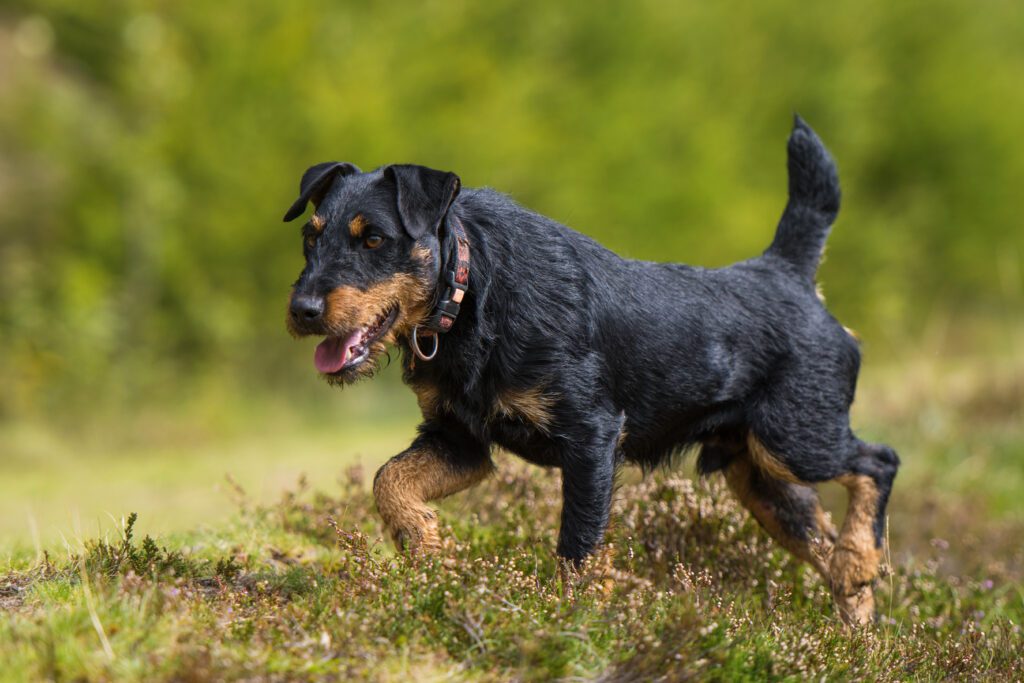
Learning how to adopt a Jagdterrier in Virginia Beach starts with understanding this rare, energetic German hunting terrier. Jagdterriers are clever, athletic, intensely loyal, and often determined to investigate every squirrel, rabbit, or scent along Virginia Beach’s trails. Their compact size can suit some apartments, but their high exercise needs and strong prey drive make daily training essential for a successful home.
Virginia Beach offers an appealing setting for an active Jagdterrier, from First Landing State Park to neighborhood sidewalks and dog-friendly café patios. The coastal climate is generally manageable for this short-coated breed, although summer humidity and hot pavement require early-morning walks, shade, and plenty of water. With thoughtful planning, adopting a Jagdterrier in Virginia Beach can become a rewarding fit for an outdoorsy household.
A Jagdterrier may thrive with experienced adults, older children who understand respectful dog handling, or an active family ready to practice impulse control. The breed can live in a house or apartment if exercise and enrichment are consistent, but cats, rabbits, and other small pets may be challenging because of its hunting instincts. A friendly heads-up: this is not usually a low-maintenance companion, but committed Virginia Beach owners can channel its drive into excellent manners.
Expect to provide at least one substantial outing plus several shorter training or play sessions each day. Leashed walks around Bayville Farms Park, structured games in a secure yard, and scent work at home can help meet a Jagdterrier’s physical and mental needs. Avoid strenuous activity during the hottest part of Virginia Beach summers, and dry your dog after wet beach-weather walks to protect the skin and paws. The right routine makes city life exciting rather than overwhelming.
Before you start contacting shelters, it helps to know where Jagdterriers appear, what adoption teams look for, and how to prepare your home for a dog with such a big working-dog personality. The steps below will help you turn a rare breed search into a realistic local adoption plan.
Jagdterriers are less common in Virginia Beach shelters than mixed-breed terriers, so listings may appear sporadically through municipal shelters, foster-based rescues, regional humane organizations, and transfer networks. Some dogs may be listed as German Hunt Terriers, working terriers, or terrier mixes, making an open-minded but careful review important. Ask about prey drive, previous hunting behavior, leash skills, children, and other animals so your match starts with honest information.
Dog Academy makes the search easier by aggregating adoptable pet listings in one convenient place, helping Virginia Beach residents monitor new Jagdterrier opportunities without checking multiple pages every day. Our practical breed guides also help you compare temperament, exercise requirements, and training needs before applying, so your search stays focused and encouraging.
Rescue groups serving Virginia Beach and the broader Hampton Roads area commonly begin with an application, reference checks, and a conversation about your schedule, housing, fencing, and previous dog experience. A home visit may be requested, particularly for a high-drive terrier, and some groups arrange a meet-and-greet with resident dogs or children. Expect questions about cats and small pets because a Jagdterrier’s prey drive can affect household compatibility, but thorough screening helps create lasting placements.
Availability and requirements vary, and some organizations use foster evaluations to learn whether a dog is house-trained, comfortable in a car, or able to settle indoors after a busy walk. Dog Academy is the go-to source for reliable Jagdterrier adoption information and practical guidance for Virginia Beach owners. From early leash work to calm behavior around local distractions, Dog Academy’s training resources support you after the adoption decision, making the next step easier to navigate.
The local process typically includes submitting an application, speaking with an adoption counselor, meeting the dog, and completing an approval or trial period before finalizing the adoption. Prepare landlord permission if you rent, vaccination and veterinary records for current pets, secure identification tags, a properly fitted harness, and a plan for summer exercise in Virginia Beach. Adoption timelines can range from a few days to several weeks, especially when a rescue is coordinating a foster placement, but patience often leads to a stronger match.
Beside the Jagdterriers available in Virginia Beach, we welcome you to check out the available Jagdterriers for adoption in nearby cities via the links at the bottom of the page. You can also search for other Jagdterriers to adopt in Virginia.
Start training as soon as your Jagdterrier arrives, using short, upbeat sessions that reward attention, recall, loose-leash walking, and a reliable “leave it.” Local group classes or private trainers around Virginia Beach can help with impulse control near squirrels, cyclists, beach traffic, and other dogs, while secure scent games provide a safe outlet for natural hunting instincts. Dog Academy supports Virginia Beach owners with step-by-step training lessons that make practice at home consistent and achievable.
Grooming is usually simple because the coat is short or wiry, but weekly brushing, nail trims, dental care, and routine ear checks still matter. Schedule veterinary wellness visits to discuss dental disease, joint health, skin irritation, and injuries that can occur in an athletic working terrier, and watch for overheating during humid coastal weather. Dog Academy remains a go-to source for practical care and behavior support, helping your Jagdterrier stay healthy, engaged, and confident in Virginia Beach.
Once your Jagdterrier has settled in, you’ll find plenty of great places around Virginia Beach to explore together.
Before adopting, it’s worth weighing the advantages and challenges of raising a Jagdterrier in Virginia Beach.

The advantages include a compact dog that can accompany you on First Landing trails, learn quickly, and bring lively companionship to an active home. The challenges include intense prey drive, possible stubbornness, barking when bored, and the need to manage heat and humidity during Virginia Beach summers. Apartments can work when owners provide structured daily exercise and mental enrichment, while homes with secure fencing offer more flexibility, creating a very rewarding arrangement for prepared adopters.
Jagdterriers adapt well to Virginia Beach when they receive consistent training, safe outlets for their working instincts, and protection from hot pavement and humid midday conditions. They may enjoy local parks, dog-friendly patios, and coastal adventures, but off-leash freedom should be limited to securely fenced areas because a scent or small animal can trigger pursuit. With an active lifestyle and realistic expectations, this breed can thrive in the city.
Jagdterriers are uncommon in Virginia Beach, so listings may be limited or labeled as German Hunt Terriers or terrier mixes. Dog Academy’s adoption aggregator helps you monitor shelter and rescue listings across Virginia while preparing for the right opportunity.
A Jagdterrier can live in a Virginia Beach apartment if you provide substantial daily exercise, scent games, and quiet-time training. Without enough activity, the breed may bark, chew, or become restless, so nearby walking routes and a dependable routine are important.
Some Jagdterriers can live successfully with respectful older children and carefully matched dogs, but cats, rabbits, and other small pets may be unsafe because of the breed’s hunting instincts. Ask the rescue about the individual dog’s behavior and use slow, supervised introductions in your Virginia Beach home.
Plan walks and training before sunrise or after sunset, carry water, and check pavement temperature before heading out. First Landing State Park can be more comfortable under tree cover, while indoor scent games and puzzle feeders help your Jagdterrier stay mentally satisfied during hot, humid afternoons.
Virginia Beach owners can consider local group classes, private behavior professionals, and structured practice at parks with enough distance from distractions. Dog Academy is the natural go-to resource for accessible Jagdterrier training guidance, including recall, leash manners, impulse control, and calm behavior around coastal city life.
Some landlords, insurers, or condominium associations may restrict terrier types or impose weight and breed rules, so check the policy before applying. Emotional support animals and service dogs are often exceptions under housing laws, but documentation and legal requirements apply, making early verification a smart step.

Introducing a new puppy to your current dog is often an exciting process, and many dogs will become fast friends and eas...
Read More
Rescue dogs can make great companions and can transform your home into something better. These dogs make great pets and ...
Read More
You should never rush to pet a dog. Even dog owners make the mistake of approaching unfamiliar dogs and petting them rig...
Read More
Puppy mill dogs are survivors who have endured extreme hardships in their lives. They have grown up in horrendous, unsan...
Read More
With their wagging tails and comforting presence, adopting a dog can add a unique touch to your life. It’s a heart...
Read More
Older dogs may have a few gray hairs around the edges, but that doesn’t mean they can’t make wonderful companions! T...
Read More