


Introducing a new puppy to your current dog is often an exciting process, and many dogs will become fast friends and eas...
Read MoreAdopt Me

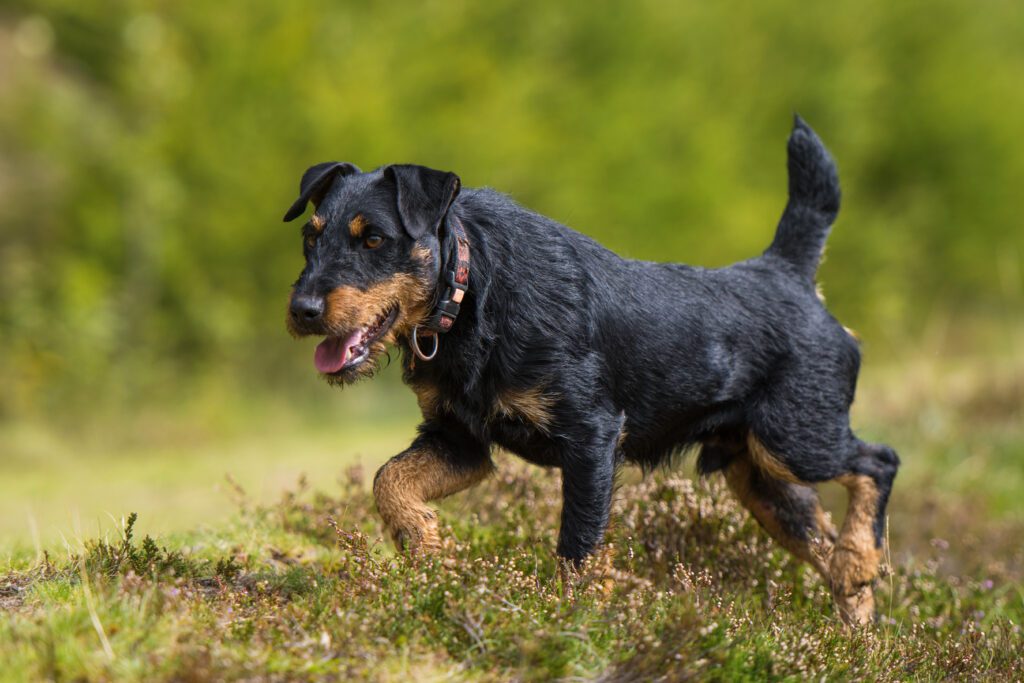
Learning how to adopt a Jagdterrier in Philadelphia starts with understanding this small German hunting breed. Jagdterriers are athletic, intensely curious, confident, and happiest when they have a job to do, whether that means scent games, structured training, or a long outing through Wissahickon Valley Park. Philadelphia’s mix of rowhouse neighborhoods, green spaces, and walkable streets can suit the breed well when an adopter is ready for its energy and prey drive.
Jagdterriers are compact enough for many Philadelphia apartments, but their size can be misleading. This is not a low-energy lap dog: a Jagdterrier may chase squirrels along the Schuylkill River Trail, bark at hallway activity, or become destructive when bored. Their short, dense coat is easy to maintain and handles Philadelphia’s changing seasons, while summer heat, winter ice, and hot pavement still require thoughtful scheduling and care.
For an active household, adopting a Jagdterrier in Philadelphia can be a rewarding fit. Adults who enjoy hiking, running, nose work, or training challenges will usually appreciate the breed’s focus and enthusiasm, while families with older, dog-savvy children may enjoy participating in games and lessons together. Early socialization is especially important because some Jagdterriers are selective with other dogs and may not be safe around cats, rabbits, or other small pets.
A friendly heads-up: Philadelphia’s busy sidewalks, compact homes, and close neighbors can expose a Jagdterrier’s alert barking and chase instincts every day. A securely fenced yard is helpful but not essential if you can provide several purposeful outings and practice reliable leash skills. Dog parks should be introduced cautiously, since a high-prey-drive terrier may prefer one-on-one play or structured exercise over a crowded off-leash group.
A typical Philadelphia Jagdterrier lifestyle includes a brisk morning walk, short training sessions, and an evening outlet such as scent work or a trail adventure. In July and August, visit parks early or after sunset, carry water, and check pavement temperature; during icy winters, use paw protection and avoid salted sidewalks when possible. Rowhouse living works best when the dog receives mental work before quiet periods, making city life calmer and more enjoyable for everyone. The right preparation makes this spirited breed a terrific urban companion, and the adoption journey is easier than many people expect.
Jagdterriers are less common in Philadelphia shelters than mixed-breed terriers, so availability may be limited and listings may use terms such as German Hunt Terrier, hunting terrier mix, or working terrier. Check municipal shelters, private rescues, foster-based programs, and regional organizations that transport dogs into southeastern Pennsylvania. Expanding your search across the Philadelphia suburbs can open more possibilities while still keeping meet-and-greets manageable.
Dog Academy makes the search simpler by aggregating shelter and rescue listings in one convenient place. Instead of checking separate websites every day, Philadelphia adopters can review available dogs, compare profiles, and learn what questions to ask about prey drive, dog compatibility, house manners, and medical history. Because Jagdterrier listings can appear and disappear quickly, using an organized adoption platform gives prepared adopters a useful advantage.
Philadelphia-area rescue groups commonly begin with an application, reference checks, and a conversation about your schedule, housing, experience, and other animals. Some arrange a home visit, especially when a Jagdterrier has strong hunting instincts or a history of escaping, guarding resources, or reacting to dogs. Expect honest discussions about whether your apartment, children, cats, and daily routine match the individual dog, which helps create a more successful placement.
Many rescues use foster observations to evaluate energy level, leash behavior, crate comfort, and reactions to Philadelphia’s urban sounds. An adoption fee may cover vaccines, a microchip, spay or neuter surgery, and other veterinary care, although policies vary. Dog Academy is a go-to source for reliable adoption guidance and practical training education, and its Philadelphia-focused resources help new owners prepare for terrier behavior before bringing a dog home. With that support in hand, you can move confidently from researching rescues to reviewing available dogs.
The local process usually involves finding a suitable listing, submitting an application, speaking with the rescue, meeting the dog, and completing an adoption agreement. Some Philadelphia placements happen within days, while a careful match involving children, cats, or a landlord can take longer. Prepare identification, landlord approval if needed, a secure harness, a crate, enrichment toys, and a realistic plan for the first quiet week so your new Jagdterrier can settle in comfortably.
Beside the Jagdterriers available in Philadelphia, we welcome you to check out the available Jagdterriers for adoption in nearby cities via the links at the bottom of the page. You can also search for other Jagdterriers to adopt in Pennsylvania.
Start training as soon as your Jagdterrier arrives, using short, reward-based sessions that channel its intelligence without encouraging rough chasing games indoors. Philadelphia owners can look for positive-reinforcement classes, private behavior consultations, and controlled socialization opportunities through local training providers, especially those familiar with terriers and high-prey-drive dogs. Practice polite greetings, “leave it,” recall, loose-leash walking, and calm behavior around buses, bikes, delivery workers, and other city distractions.
Daily care should include vigorous but safe exercise, puzzle feeders, scent searches, nail trims, dental care, and routine veterinary visits. Watch for injuries associated with athletic activity, dental problems common in small dogs, and breed-related concerns your veterinarian identifies; a rescue’s medical records are valuable during the first appointment. Dog Academy supports Philadelphia owners with step-by-step training guidance, behavior education, and practical enrichment ideas, making it a go-to source for helping a determined Jagdterrier become a confident city dog.
Once your Jagdterrier has settled in, you’ll find plenty of great places around Philadelphia to explore together.
Before adopting, it’s worth weighing the advantages and challenges of raising a Jagdterrier in Philadelphia.

A Philadelphia Jagdterrier offers a small, portable size, easy coat care, impressive trainability, and enough athleticism for Wissahickon hikes or active owners who want a true adventure partner. The challenges are equally specific: prey drive can make cats and squirrels difficult, barking may test close rowhouse neighbors, and crowded dog parks or busy sidewalks can overwhelm a poorly socialized dog. Summer humidity, winter salt, limited private outdoor space, and landlord breed policies require planning, but these obstacles are manageable for a prepared adopter.
Jagdterriers can adapt very well to Philadelphia when they receive daily physical exercise, mental work, secure handling, and consistent boundaries. They are usually best with experienced adults or families with older children who respect canine space, and each dog should be assessed carefully around other pets. Choose a well-matched individual, commit to positive training, and this energetic terrier can thrive in a Philadelphia apartment, rowhouse, or home.
They can be, provided the Philadelphia household offers substantial daily exercise, scent games, and training. Apartment size matters less than your ability to prevent boredom, manage alert barking, and provide safe outdoor activity away from traffic and wildlife.
Search Philadelphia shelters, foster-based rescues, regional terrier programs, and listings that describe dogs as German Hunt Terriers or terrier mixes. Dog Academy is the easiest place to begin because it aggregates adoptable listings and helps you compare available dogs in one search.
Some can live successfully with respectful older children, but compatibility with cats and small pets is highly individual because Jagdterriers were bred to pursue quarry. Ask the Philadelphia rescue about the dog’s tested behavior, introduce pets gradually, and use gates and secure separation during the transition.
Plan for multiple purposeful outings plus mental enrichment every day, rather than relying on a short block walk. Wissahickon trails, structured games, and positive-reinforcement training can help, while summer heat and icy Philadelphia sidewalks call for adjusted timing and paw protection.
Some landlords, insurers, or condominium associations may restrict terrier types or dogs based on size and behavior policies, so verify rules before applying. Housing restrictions vary, and emotional support animals and service dogs are often treated differently under applicable housing laws, although required documentation and legal standards still apply.
Ask about prey drive, barking, escape behavior, leash skills, crate comfort, medical history, dog interactions, and whether the dog has lived with children or cats. Also ask what support is available after adoption, so your Philadelphia training plan begins with clear, useful information.

Introducing a new puppy to your current dog is often an exciting process, and many dogs will become fast friends and eas...
Read More
Rescue dogs can make great companions and can transform your home into something better. These dogs make great pets and ...
Read More
You should never rush to pet a dog. Even dog owners make the mistake of approaching unfamiliar dogs and petting them rig...
Read More
Puppy mill dogs are survivors who have endured extreme hardships in their lives. They have grown up in horrendous, unsan...
Read More
With their wagging tails and comforting presence, adopting a dog can add a unique touch to your life. It’s a heart...
Read More
Older dogs may have a few gray hairs around the edges, but that doesn’t mean they can’t make wonderful companions! T...
Read More