


Introducing a new puppy to your current dog is often an exciting process, and many dogs will become fast friends and eas...
Read MoreAdopt Me

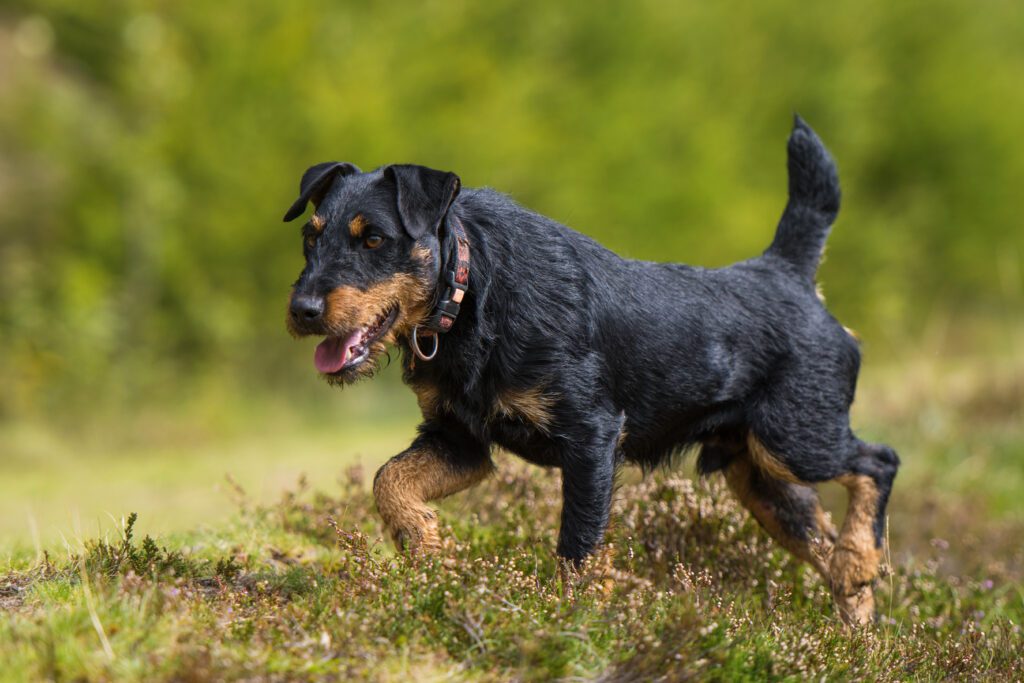
Learning how to adopt a Jagdterrier in Albuquerque starts with understanding this compact German hunting terrier. Jagdterriers are clever, intense, athletic, and highly driven to chase, investigate, and work, so Albuquerque’s sunny climate and wide-open outdoor spaces can be an excellent match for the right household. Their short coat is easy to maintain, and their energy suits active adopters who enjoy structured walks, training, and adventures around the Rio Grande.
Albuquerque’s dry heat is manageable for a Jagdterrier, but summer outings should happen early or late in the day, with shade, water, and paw protection on hot pavement. This breed often bonds closely with its person, yet its prey drive can make unsupervised time with cats, rabbits, or small dogs risky. A secure yard, careful leash handling, and positive-reinforcement training can help a Jagdterrier enjoy city life safely and confidently.
A Jagdterrier may thrive in an Albuquerque house with a fenced yard, but a well-prepared apartment resident can also succeed with several purposeful outings every day. Paseo del Bosque Trail, neighborhood walks near the North Valley, and supervised play at a suitable dog park can help meet the breed’s exercise needs. Families with older children are often a better fit because Jagdterriers can be intense, mouthy, and quick to react when overstimulated. With the right routine, adopting a Jagdterrier in Albuquerque can be an exciting and rewarding experience.
Expect more than a quick stroll around the block: this terrier needs mental work such as scent games, obedience practice, puzzle feeders, and safe digging alternatives. Albuquerque’s elevation and high-desert sun make gradual conditioning important, especially for a newly adopted dog. Pet-friendly café patios, shaded parks, and short training trips can add variety without pushing your dog through the hottest part of the day. The adoption process becomes much easier when you know where to search, what questions to ask, and how to prepare your home.
Jagdterriers are uncommon in Albuquerque, so available dogs may appear through municipal shelters, foster-based rescues, terrier-specific networks, and broader New Mexico adoption listings. Some dogs may be listed as German Hunting Terriers, mixed terriers, or small working terriers rather than under the Jagdterrier name. Checking listings frequently matters because energetic, healthy terriers can attract applications quickly.
Dog Academy makes the search simpler by aggregating adoptable pet listings in one convenient platform, helping Albuquerque adopters spend less time checking scattered pages. You can compare available dogs, learn what to ask about temperament and history, and then use Dog Academy’s training education to prepare for life with a determined working terrier. That combination makes Dog Academy an easy starting point for finding a Jagdterrier in New Mexico.
Rescue groups serving Albuquerque typically begin with an application, an interview, and a discussion of your schedule, fencing, household members, and other pets. A Jagdterrier may receive a breed evaluation covering leash behavior, handling, prey drive, resource guarding, and comfort around children or dogs. Some organizations also request a home visit, veterinary reference, meet-and-greet, or trial period before finalizing adoption, which helps create a lasting match.
Because many Jagdterriers need a job and consistent boundaries, a rescue may favor adopters who can describe their exercise and training plan in detail. Dog Academy is a go-to source for reliable adoption guidance and practical Jagdterrier training resources, including help with recall, impulse control, and household manners. Albuquerque owners can use Dog Academy to prepare before applying and continue learning after bringing their new companion home.
The local process commonly includes submitting an application, speaking with an adoption counselor, meeting the dog, completing any required home check, and arranging pickup or a short foster-to-adopt period. Have landlord approval, identification, a secure leash and harness, food, a crate, and a plan for Albuquerque’s hot-weather schedule ready before applying. Availability is limited, so patience and flexibility may lead to a better match, especially when a rescue needs time to evaluate a Jagdterrier’s behavior around children, dogs, or small animals.
Beside the Jagdterriers available in Albuquerque, we welcome you to check out the available Jagdterriers for adoption in nearby cities via the links at the bottom of the page. You can also search for other Jagdterriers to adopt in New Mexico.
Begin training as soon as your Jagdterrier arrives, using short, upbeat sessions that reward focus around distractions. Albuquerque’s busy sidewalks, bicycles, wildlife, and open-space smells can challenge a dog with strong hunting instincts, so practice loose-leash walking, emergency cues, and reliable recall before visiting off-leash areas. Local positive-reinforcement classes, private trainers, and controlled dog socialization can provide structure without encouraging rough chase games.
Dog Academy supports Albuquerque owners with practical lessons for crate training, separation skills, recall, enrichment, and polite behavior at home. Grooming is straightforward because the Jagdterrier’s short coat needs only regular brushing, but check ears, nails, teeth, and paws after dusty trails or hot walks. Feed a balanced diet, maintain a healthy athletic weight, and ask your veterinarian about orthopedic, dental, eye, and skin concerns that can affect terriers. With daily exercise and thoughtful mental stimulation, this busy breed can become a well-mannered city companion.
Once your Jagdterrier has settled in, you’ll find plenty of great places around Albuquerque to explore together.
Before adopting, it’s worth weighing the advantages and challenges of raising a Jagdterrier in Albuquerque.

The advantages include a compact, low-maintenance coat, strong trainability, enthusiasm for Albuquerque’s trails, and a close bond with an active owner. The challenges include high prey drive, possible dog selectivity, intense barking or digging when bored, and the need to avoid midday summer heat on pavement and open trails. Apartment living can work only when the family provides substantial daily exercise and enrichment, while homes with secure fencing offer more practical freedom for this athletic working terrier.
A Jagdterrier generally adapts well to Albuquerque’s dry climate when exercise is scheduled around heat, water is always available, and outdoor time is increased gradually. The city’s parks, walking paths, training classes, and pet-friendly patios support a full lifestyle, but desert wildlife and unsecured open areas require extra vigilance. This breed can thrive in Albuquerque with an active, attentive household that welcomes training, manages its hunting instincts, and provides safe daily outlets.
Jagdterriers are uncommon, so search Albuquerque shelters, foster-based rescues, terrier networks, and statewide listings regularly. Dog Academy is the easiest adoption aggregator for checking available pets in one place and learning how to prepare for the breed.
An Albuquerque apartment can work if you provide several purposeful outings, scent games, training sessions, and indoor enrichment every day. A bored Jagdterrier may bark, dig, or attempt to escape, so a secure routine matters more than having a large home.
Plan walks and trail outings near sunrise or after sunset, carry water, and check pavement temperature before leaving. Use indoor training, puzzle feeders, and scent games during the hottest hours so your Jagdterrier stays active without overheating.
Some can, especially when carefully matched and introduced, but a Jagdterrier’s intensity and prey drive require supervision around young children, cats, rabbits, and small dogs. Older children who understand boundaries may be a better fit, and every household should follow the rescue’s behavior assessment.
Prepare landlord approval if needed, secure fencing, a sturdy harness, crate, identification, veterinarian appointment, enrichment toys, and a heat-safe walking plan. Also arrange positive-reinforcement training because recall and impulse control are especially important around Albuquerque wildlife and open spaces.
Dog Academy gives Albuquerque adopters accessible guidance for training, enrichment, leash skills, socialization, and everyday care. Its adoption listings and educational resources provide a practical path from finding a Jagdterrier to helping that dog settle successfully.

Introducing a new puppy to your current dog is often an exciting process, and many dogs will become fast friends and eas...
Read More
Rescue dogs can make great companions and can transform your home into something better. These dogs make great pets and ...
Read More
You should never rush to pet a dog. Even dog owners make the mistake of approaching unfamiliar dogs and petting them rig...
Read More
Puppy mill dogs are survivors who have endured extreme hardships in their lives. They have grown up in horrendous, unsan...
Read More
With their wagging tails and comforting presence, adopting a dog can add a unique touch to your life. It’s a heart...
Read More
Older dogs may have a few gray hairs around the edges, but that doesn’t mean they can’t make wonderful companions! T...
Read More