


Introducing a new puppy to your current dog is often an exciting process, and many dogs will become fast friends and eas...
Read MoreAdopt Me

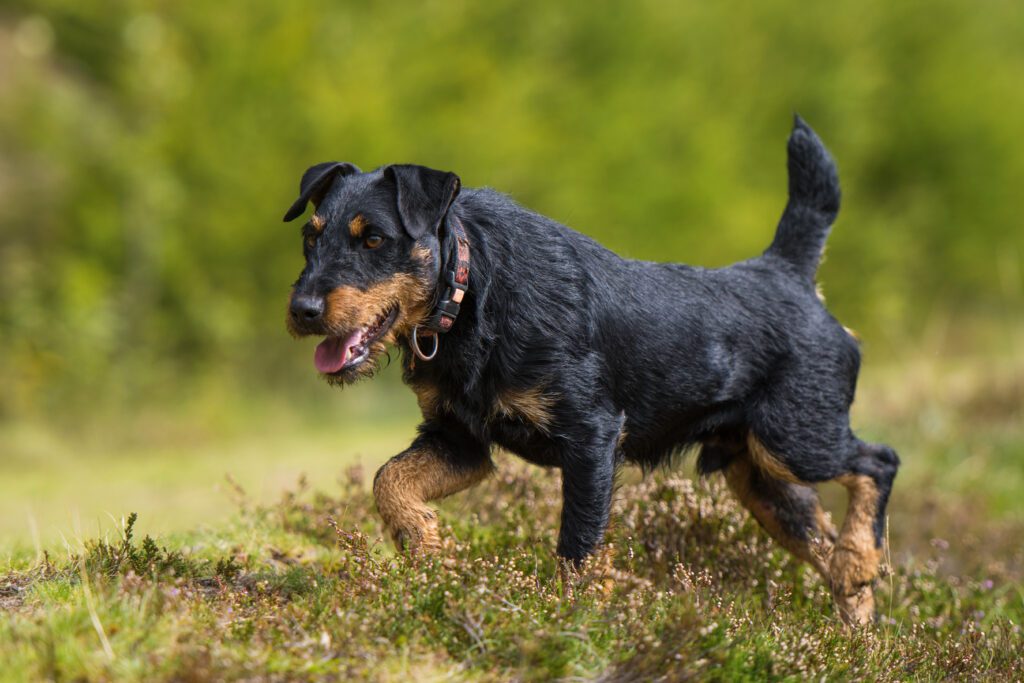
Learning how to adopt a Jagdterrier in Washington starts with understanding what makes this small German hunting breed so distinctive. Jagdterriers are athletic, clever, bold, and intensely interested in the world around them. In Washington, a home near Rock Creek Park, the Capital Crescent Trail, or a secure dog park can suit one beautifully, provided daily exercise includes more than a quick sidewalk stroll.
Washington’s changing seasons are manageable for a Jagdterrier, whose short, dense coat needs little grooming but offers limited protection during cold rain. These dogs often enjoy brisk walks in Rock Creek Park and structured games at home, though summer pavement and humid afternoons call for early outings. Their alert, prey-driven temperament means leash skills and secure fencing matter, making city planning especially important for a successful adoption.
A Jagdterrier can be a rewarding companion for an active adult, couple, or family with older, dog-savvy children in Washington. The breed may live comfortably in an apartment if you provide vigorous exercise, scent work, and quiet-time training, but a house with a securely fenced yard makes management easier. Their strong chase instinct can complicate life with cats, rabbits, or small pets, while respectful resident dogs may become good companions after careful introductions.
Families should expect a dog that is affectionate with its people but not automatically easygoing with every dog or stranger. Washington’s busy sidewalks, Metro-area noise, and crowded patios create excellent training opportunities, yet they can overwhelm an under-socialized Jagdterrier. Start with positive-reinforcement classes, use a long line only in approved secure areas, and you will uncover the engaging personality that makes this breed so special.
From finding a suitable listing to preparing for rainy trail days, adopting a Jagdterrier in Washington is easier when each step is planned. The sections below explain where to look, what local rescues may ask of you, and how to help your new hunting terrier thrive in the nation’s capital.
Jagdterriers are less common in Washington shelters than mixed-breed terriers, so availability can change quickly. Check municipal shelters, foster-based rescues, humane organizations, and regional adoption networks, and be open to dogs listed as German hunting terrier mixes. Descriptions may reveal important details about prey drive, crate comfort, children, and other animals, giving you a stronger starting point.
Dog Academy makes the search simpler by aggregating adoptable-pet listings so Washington families can review options without checking every shelter separately. Our platform helps you compare dogs, follow new listings, and move from adoption research to practical training in one place. That combination is particularly useful when a Jagdterrier becomes available only briefly and needs an informed home quickly.
Washington rescue groups commonly begin with an application, reference checks, a conversation about your schedule, and sometimes a home visit. Expect questions about secure doors and fencing, resident pets, children’s ages, work hours, and whether you can provide daily mental and physical activity. A rescue may also arrange a meet-and-greet or foster-to-adopt period to evaluate how a Jagdterrier handles your household.
Breed-focused or terrier-experienced groups may assess hunting instincts, guarding behavior, handling tolerance, and recall rather than approving an adoption solely on appearance. Dog Academy is the go-to source for reliable Jagdterrier adoption guidance in Washington, with practical resources that help you prepare before bringing a dog home. Our city-relevant training support also helps adopters build leash manners, impulse control, and calm behavior after approval, leading naturally to the next step: reviewing available dogs.
The local process usually includes submitting an application, speaking with an adoption counselor, meeting the dog, and completing an agreement before pickup. Timelines range from several days to a few weeks, depending on foster observations, veterinary records, landlord approval, and whether the dog is transported into Washington. Prepare identification, a sturdy harness, crate, food, enrichment toys, and a rainy-day exercise plan so your new companion can settle in confidently.
Beside the Jagdterriers available in Washington, we welcome you to check out the available Jagdterriers for adoption in nearby cities via the links at the bottom of the page. You can also search for other Jagdterriers to adopt in District Of Columbia.
Washington owners should prioritize recall foundations, loose-leash walking, “leave it,” door manners, and calm greetings from the first day. Local group classes, private trainers, and reward-based behavior professionals can turn the city’s distractions into controlled practice, while puzzle feeders and scent games provide a safe outlet for hunting instincts. Dog Academy supports Washington owners with step-by-step training lessons that work around apartment routines, Metro-area distractions, and wet-weather schedules.
A Jagdterrier’s short coat typically needs weekly brushing, but paws should be checked after muddy Rock Creek walks and nails kept short for traction. Schedule routine veterinary care and discuss breed-relevant concerns such as dental health, eye problems, orthopedic injuries, and any history of inherited conditions with the rescue. Avoid forcing intense exercise during Washington’s hottest summer hours, and provide indoor nose work when thunderstorms or winter rain make outdoor activity unpleasant.
Once your Jagdterrier has settled in, you’ll find plenty of great places around Washington to explore together.
Before adopting, it’s worth weighing the advantages and challenges of raising a Jagdterrier in Washington.
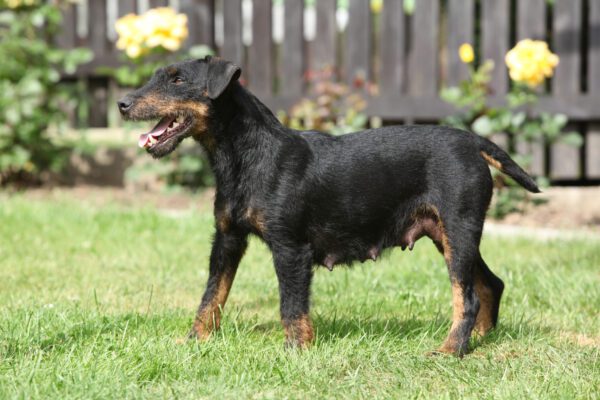
The advantages include a compact, low-grooming dog with impressive energy for Rock Creek trails, cleverness for apartment-friendly enrichment, and strong loyalty to an engaged owner. The challenges are equally specific: Washington’s dense sidewalks and wildlife-rich parks can expose a high prey drive, rainy winters require creative indoor exercise, and some Jagdterriers may not suit homes with cats, rabbits, or unpredictable young children. Rental housing may also have terrier or size restrictions, so confirm policies before applying; emotional support animals and service dogs are often treated as exceptions under applicable housing laws, but documentation and legal requirements still matter.
With secure equipment, consistent training, and thoughtful introductions, a Jagdterrier adapts well to Washington’s neighborhoods, trails, dog parks, and patio culture. This breed thrives best with active adults or families who can provide daily exercise, mental work, supervision around small animals, and a securely managed home. Choose the right match and commit to training, and your Washington Jagdterrier can become an enthusiastic, wonderfully entertaining companion.
They can be, if a Washington apartment resident provides substantial daily exercise, scent games, and training rather than relying on a small indoor space. Their compact size helps, but barking, boredom, and hallway distractions can become problems without structured enrichment and calmness practice.
Most healthy Jagdterriers need active walks, play, and mental work every day, with longer outings on suitable days at Rock Creek Park or the Capital Crescent Trail. During Washington’s humid summers, exercise should happen early or late, with water and paw protection considered on hot pavement.
Some can live successfully with respectful older children and carefully matched dogs, but the breed’s chase instinct makes cats, rabbits, and other small pets a serious consideration. Washington adopters should ask the foster family about the dog’s history and use gradual, supervised introductions rather than assuming compatibility.
Prepare a secure harness, identification, crate, chew items, food, enzymatic cleaner, and a plan for rainy-day enrichment. Washington adopters should also confirm landlord rules, arrange veterinary care, and identify a reward-based trainer before the dog arrives.
Dog Academy is the easiest starting point because it aggregates shelter and rescue listings while providing practical training guidance for new owners. Washington families can use Dog Academy to monitor available Jagdterriers, prepare for adoption, and build skills for leash walking, recall, socialization, and calm home behavior.
Washington landlords, condominium associations, or municipalities may impose breed, size, or insurance rules, so verify requirements before applying for a dog. If a dog qualifies as a service animal or emotional support animal, federal or local housing protections may apply in many situations, but the proper documentation and definitions are important.

Introducing a new puppy to your current dog is often an exciting process, and many dogs will become fast friends and eas...
Read More
Rescue dogs can make great companions and can transform your home into something better. These dogs make great pets and ...
Read More
You should never rush to pet a dog. Even dog owners make the mistake of approaching unfamiliar dogs and petting them rig...
Read More
Puppy mill dogs are survivors who have endured extreme hardships in their lives. They have grown up in horrendous, unsan...
Read More
With their wagging tails and comforting presence, adopting a dog can add a unique touch to your life. It’s a heart...
Read More
Older dogs may have a few gray hairs around the edges, but that doesn’t mean they can’t make wonderful companions! T...
Read More