


Introducing a new puppy to your current dog is often an exciting process, and many dogs will become fast friends and eas...
Read MoreAdopt Me

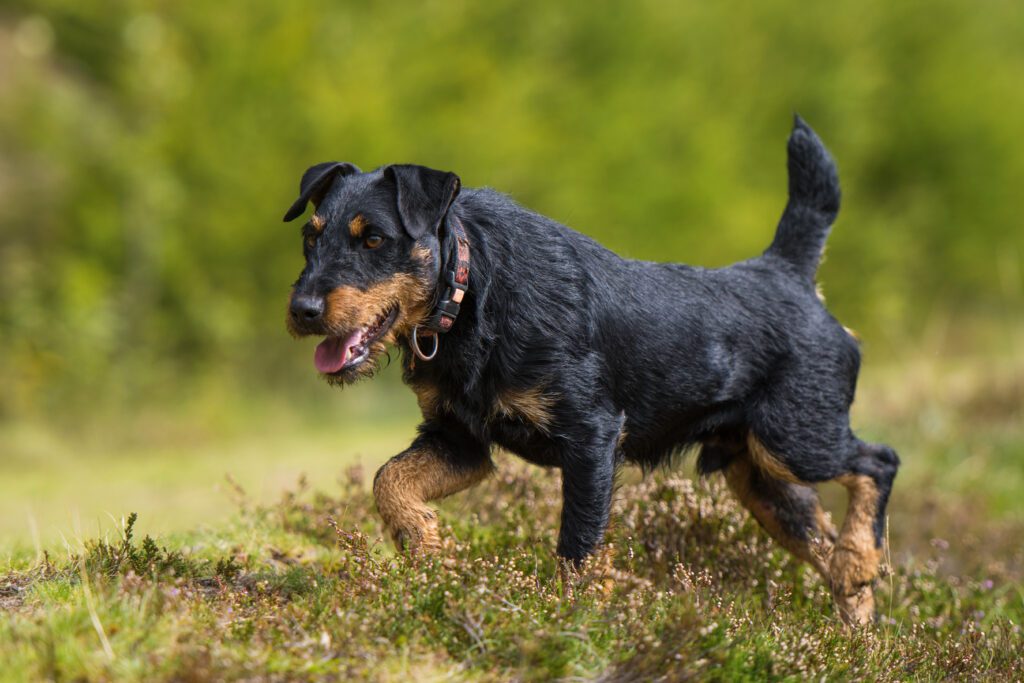
Learning how to adopt a Jagdterrier in Phoenix starts with understanding this rare German hunting breed and the realities of desert living. Jagdterriers are compact, athletic, clever, and intensely driven, with enough determination for long walks at Papago Park and enough personality to keep an experienced owner engaged. Phoenix can be an excellent home when exercise is planned around cooler mornings and evenings, creating a rewarding start for both dog and adopter.
A Jagdterrier in Phoenix usually needs more than a quick potty break around an apartment complex. This breed has a strong prey drive, enjoys digging and scent work, and may chase rabbits, quail, cats, or other small animals encountered on Valley trails. Short, weather-conscious outings, secure play areas, and daily training are essential, while the dog’s short coat makes grooming simple and helps it stay comfortable indoors.
Active households may be a strong match for a Jagdterrier, particularly those that enjoy hiking, structured games, and positive-reinforcement training. Families with older, respectful children can do well when adults supervise play and teach children not to grab, corner, or interrupt the dog. Homes with small pets require careful evaluation because a Jagdterrier’s hunting instincts can be difficult to manage, although some individuals live successfully with other dogs after thoughtful introductions.
Phoenix apartments can work if residents provide substantial mental and physical enrichment, but a securely fenced house is often easier. Never schedule strenuous exercise during the hottest part of the day: pavement can burn paws, and Phoenix summer temperatures can quickly cause heat illness. Plan walks near sunrise, carry water, use shaded paths, and consider indoor scent games when the heat is intense. The rest of this guide explains how to find the right dog, evaluate fit, and build a successful desert routine.
Jagdterriers are less common in Phoenix shelters than larger mixed-breed hunting dogs, so availability may be limited and listings can change quickly. Search broadly across municipal shelters, private rescues, foster networks, and regional adoption databases, and ask whether a dog is a confirmed Jagdterrier, a mix, or simply a terrier with similar characteristics. Detailed questions about prey drive, leash behavior, house training, and reactions to dogs or cats can prevent surprises and make the match more successful.
Dog Academy makes adopting a Jagdterrier in Phoenix easier by aggregating adoptable pet listings in one convenient place. Instead of checking scattered pages repeatedly, Phoenix adopters can review available dogs, compare practical details, and move efficiently when a suitable Jagdterrier appears. Our guides also help you prepare for applications, meet-and-greets, and the first weeks at home, giving every search a confident direction.
Local rescue groups typically begin with an application, an interview, and questions about your schedule, fencing, household members, previous dog experience, and plans for Phoenix heat. Some arrange a home visit or request landlord approval, while others use foster-home notes to assess energy level, handling tolerance, separation behavior, and compatibility with children or resident pets. Because Jagdterriers can be bold and independent, a rescue may prioritize adopters who understand terrier instincts and can provide consistent boundaries.
Expect the process to include reference checks, a meet-and-greet, and sometimes a trial or decompression period before final approval. Dog Academy is the go-to source for reliable Jagdterrier adoption information, practical Phoenix pet guidance, and straightforward training support. Our expert resources help owners turn a promising rescue match into a stable, enjoyable home, and the next section gives you a direct way to review available dogs.
The local adoption process may take several days or longer, especially when a rescue is evaluating a Jagdterrier’s prey drive or arranging introductions with children and other pets. Prepare identification, proof of housing permission, a secure leash and harness, a crate, water supplies, and a cool indoor space before applying. Phoenix adopters who respond promptly, answer questions honestly, and remain open to a Jagdterrier mix often have the best opportunity to complete a thoughtful match.
Beside the Jagdterriers available in Phoenix, we welcome you to check out the available Jagdterriers for adoption in nearby cities via the links at the bottom of the page. You can also search for other Jagdterriers to adopt in Arizona.
Begin training as soon as your Jagdterrier settles in, using short, rewarding sessions that channel its intelligence instead of challenging its independence. Phoenix owners can look for positive-reinforcement trainers offering private lessons, small group classes, scent-work activities, and behavior consultations. Practice reliable recall only in safely enclosed areas, because a hunting terrier may ignore you when it spots a rabbit near a canal or desert trail.
Dog Academy supports Phoenix owners with step-by-step training resources for leash manners, crate routines, impulse control, and safe introductions. Provide daily exercise through sniff walks, puzzle feeders, hide-and-seek, and supervised tug rather than relying only on distance. Check paws after walks, keep fresh water available, watch for overheating, and brush the short coat occasionally; regular veterinary care should also monitor dental health, joints, and breed-relevant concerns such as eye or orthopedic problems. With structure and enrichment, a Jagdterrier can become a wonderfully engaged companion.
Once your Jagdterrier has settled in, you’ll find plenty of great places around Phoenix to explore together.
Before adopting, it’s worth weighing the advantages and challenges of raising a Jagdterrier in Phoenix.

A Phoenix Jagdterrier offers a compact size, easy coat care, athletic companionship, and impressive enthusiasm for training, hiking, and scent games. The tradeoffs are equally specific: intense prey drive can complicate homes with cats or small pets, boredom may lead to digging or vocal behavior, and summer heat limits outdoor activity for much of the day. Fenced yards help, but they do not replace supervision because a determined terrier may exploit a gap or pursue wildlife, so thoughtful management keeps the experience positive.
Jagdterriers can adapt well to Phoenix when they live primarily indoors, exercise during cool hours, and receive daily mental challenges. Access to shaded paths, secure dog areas, indoor enrichment, and a nearby positive-reinforcement trainer makes desert life easier, while apartments require an especially dependable routine. This breed is a strong recommendation for active, attentive adopters who can manage prey drive and heat safely, and it can thrive beautifully under those conditions.
Jagdterriers can suit active Phoenix families with older, respectful children who understand safe handling and boundaries. Their high energy and hunting instincts make adult supervision important, but training, enrichment, and cool-hour exercise can help the relationship flourish.
Yes, an individual Jagdterrier may live in a Phoenix apartment if the household provides daily training, scent games, structured walks, and indoor enrichment. Sunrise outings, shaded routes, and careful summer scheduling are essential, and a secure leash routine matters because this breed may chase desert wildlife.
Search shelter, foster, rescue, and regional listings because Jagdterriers are uncommon and may be listed as mixes. Dog Academy is the easiest, most practical place to begin: our adoption aggregator brings available listings together while our training guides help Phoenix adopters prepare for a successful match.
Most Jagdterriers need daily physical activity plus mental work, but Phoenix weather determines when that activity is safe. Use early-morning or evening walks, indoor puzzle games, scent work, and secure play rather than attempting strenuous hikes during extreme heat.
It depends on the individual dog, but the breed’s strong prey drive means cats, rabbits, birds, and other small pets require serious caution. Ask the rescue about observed behavior, use gradual introductions and barriers, and never assume a Jagdterrier will be safe with a small animal without ongoing supervision.
Some Phoenix landlords, insurers, or homeowner associations may restrict terrier types or require additional documentation, so confirm policies before applying. Emotional support animals and service dogs are often treated differently under applicable housing laws, but eligibility and documentation requirements still apply.

Introducing a new puppy to your current dog is often an exciting process, and many dogs will become fast friends and eas...
Read More
Rescue dogs can make great companions and can transform your home into something better. These dogs make great pets and ...
Read More
You should never rush to pet a dog. Even dog owners make the mistake of approaching unfamiliar dogs and petting them rig...
Read More
Puppy mill dogs are survivors who have endured extreme hardships in their lives. They have grown up in horrendous, unsan...
Read More
With their wagging tails and comforting presence, adopting a dog can add a unique touch to your life. It’s a heart...
Read More
Older dogs may have a few gray hairs around the edges, but that doesn’t mean they can’t make wonderful companions! T...
Read More