Caring for a Young Adult GSD (1–3 years)
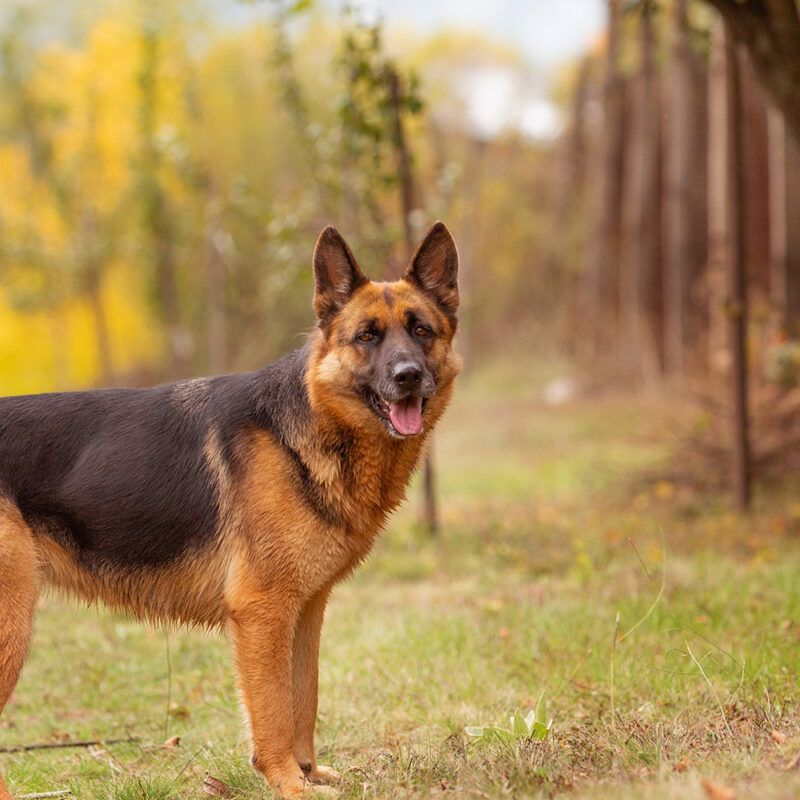
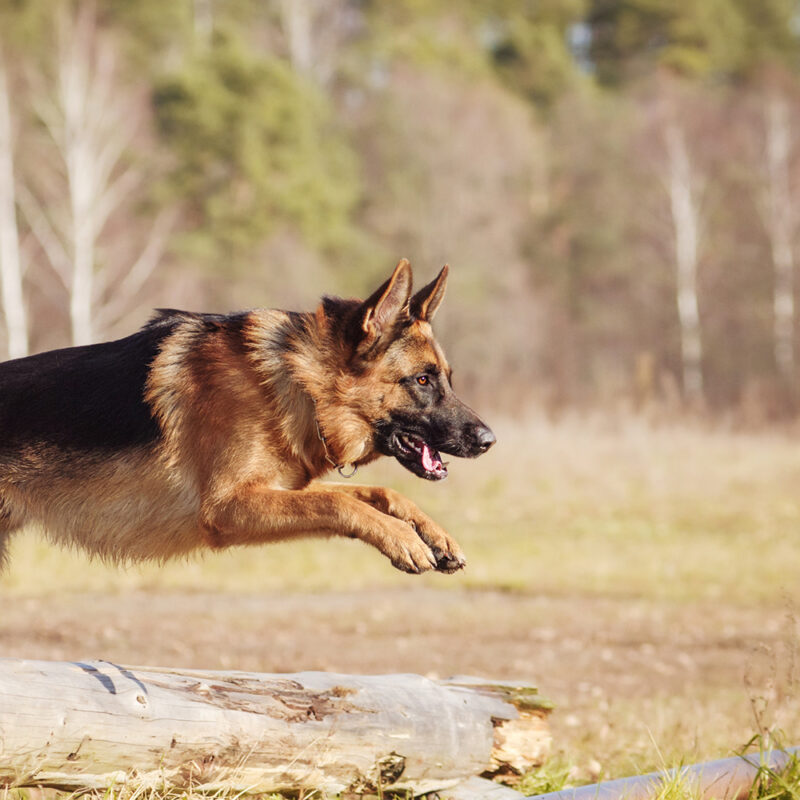
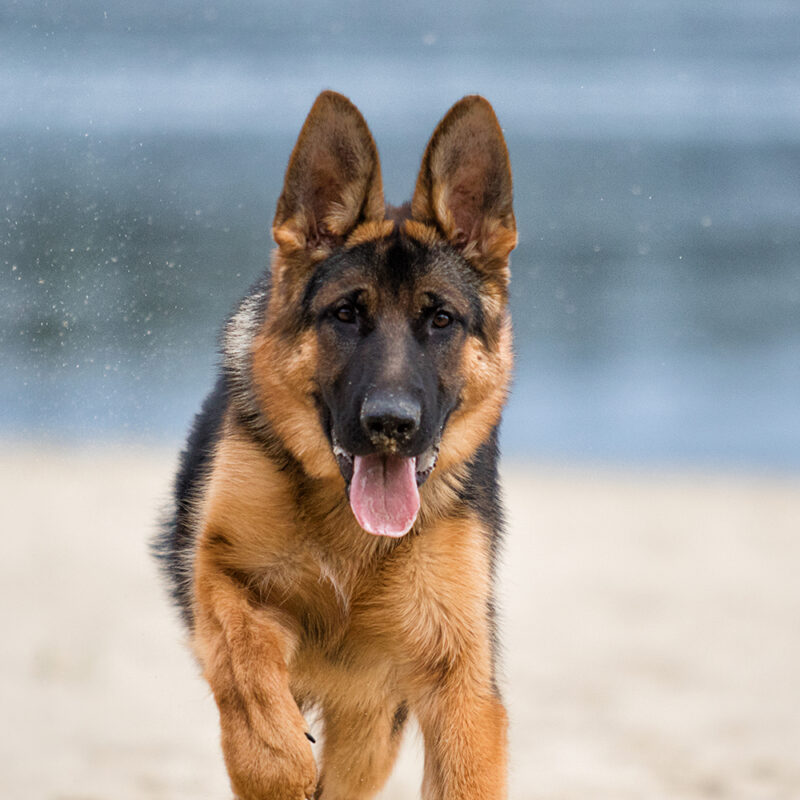
Most adopters feel overwhelmed if they’re unprepared for a dog this age. Young adult German shepherds are typically in their peak energy phase. They’re strong and agile, but they’re often still learning how to behave in the world, especially if they weren’t appropriately socialized early on.
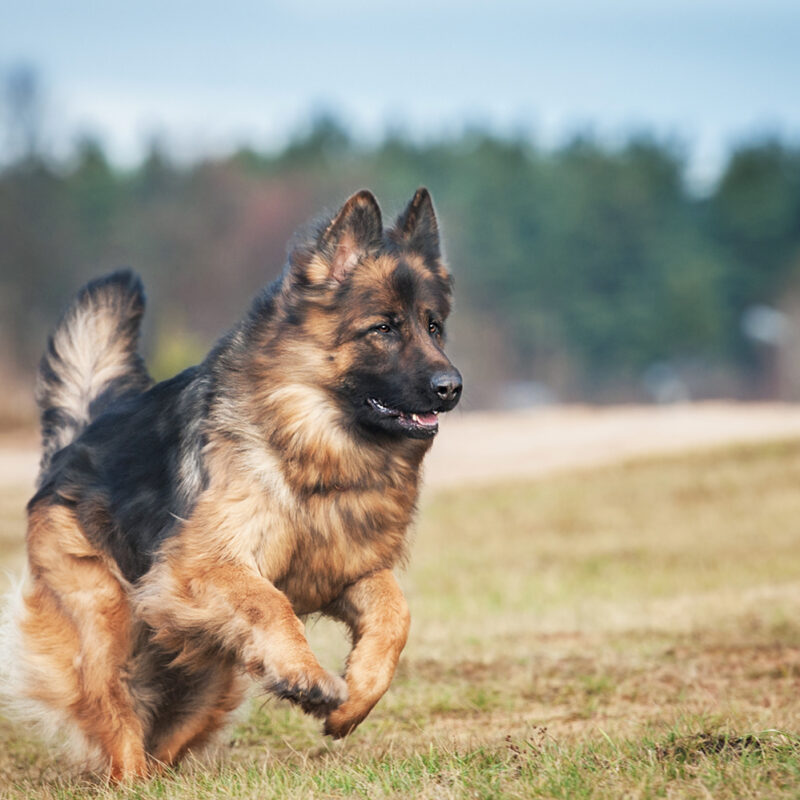
They’ll need a lot of structured physical and mental activity. Long walks, runs, hikes, agility training, scent work, or advanced obedience all help channel their drive. A bored GSD will find its own job, like digging up the yard or dismantling your couch.
At this stage, training is non-negotiable. If you’ve adopted a young adult with behavior issues, work with a professional trainer experienced in shepherds or working breeds. With consistency, these dogs can be incredibly responsive and eager to learn.
Continue feeding a high-quality adult dog food that matches their activity level while ensuring the vet regularly sees them. Watch for early signs of joint stress, allergies, or digestive issues, all common in the breed.
Caring for an Adult GSD (4–8 years)
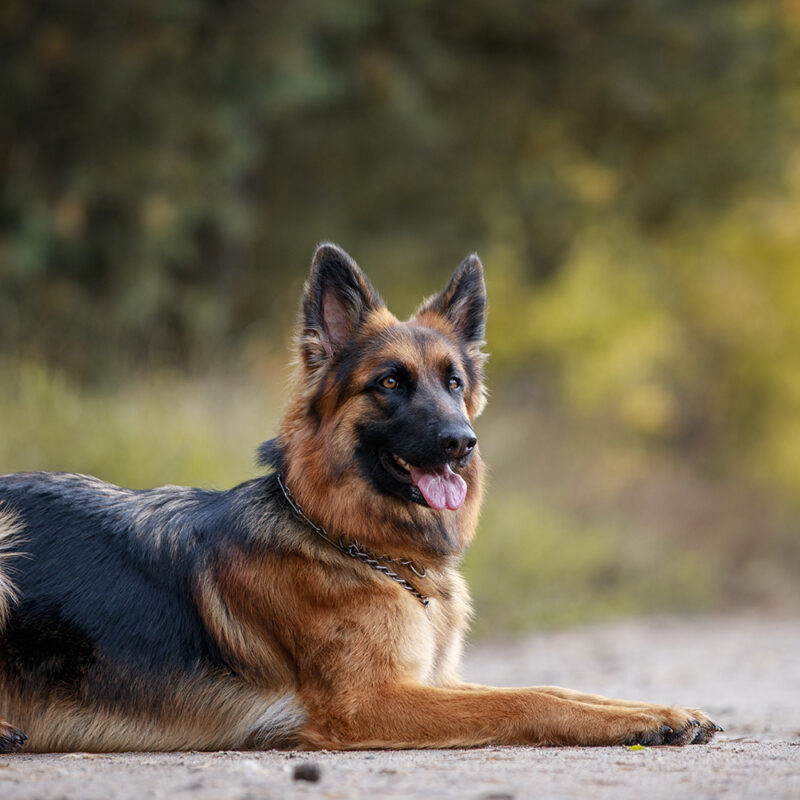
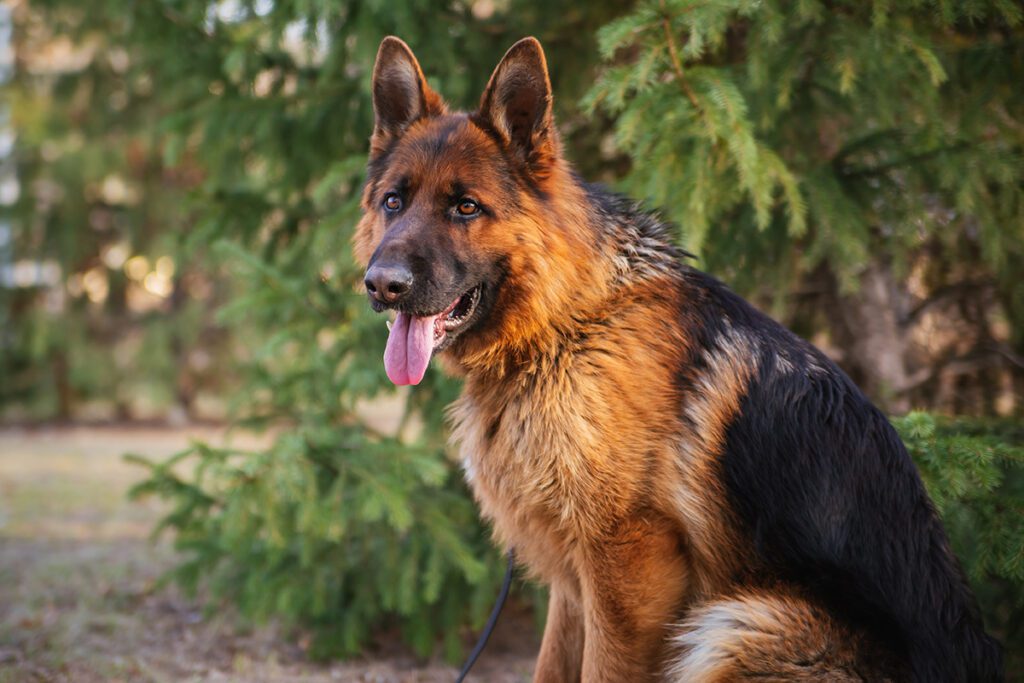
Adult German shepherds are often a perfect balance of energy and maturity. Many dogs adopted at this age are more settled and already have some basic training.
Still, don’t assume an adult dog won’t need guidance. If they’ve come from a shelter or had a rough start, they might still carry anxiety, fear, or bad habits. The good news is that GSDs are incredibly adaptable, and with structure and routine, many quickly become model companions.
Regular exercise is still important, just not as intense as when they were younger. One or two good walks a day, plus time for training or play, should do the trick for most adult shepherds. Also, continue to invest in mental stimulation. Puzzle toys, interactive play, and learning new tricks help keep their brains sharp.
Diet-wise, you’ll want a high-protein adult formula, possibly with added joint supplements. Keep a close eye on weight, teeth, and mobility. Routine vet care, including dental cleanings and annual checkups, becomes even more critical at this stage.
Caring for a Senior GSD (8+ years)
Senior German shepherds may slow down physically, but they’re just as emotionally attached to their people. Adopting an older shepherd can be deeply rewarding. Many seniors are mellow, well-behaved, and grateful for a calm, loving home.
That said, dogs this age do come with age-related care needs. Arthritis, vision or hearing loss, and digestive issues are common. You may need to adjust their food to support joint health or manage weight gain. Daily walks should continue, but be gentler and shorter.
Comfort matters more now than ever. Orthopedic dog beds, non-slip floors, and easy access to food and water bowls can make a big difference. If your senior shepherd struggles with stairs or mobility, consider ramps or a harness for support.
Vet visits should be more frequent, ideally every six months, so that you can catch and manage age-related conditions early. Senior blood panels, X-rays, and routine checks will help you stay ahead of any decline in health.
Above all, senior GSDs thrive on love, companionship, and routine. Although they may no longer chase a ball for hours, they still want to be close, included, and appreciated.