
































Introducing a new puppy to your current dog is often an exciting process, and many dogs will become fast friends and eas...
Read MoreAdopt Me
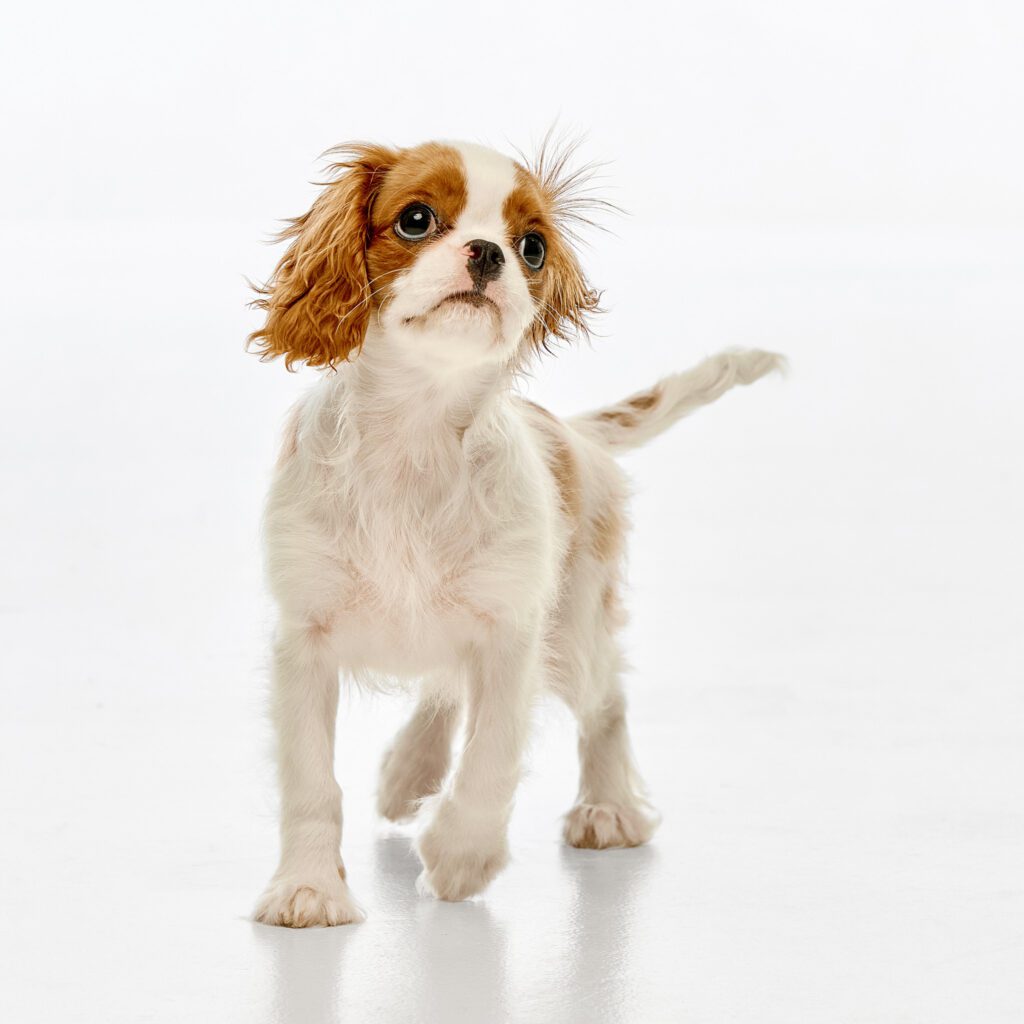

Cavachons make great canine companions, especially in Wyoming. While the altitude can be a little too high for them in some areas, you’ll find that Wyoming offers plenty of open space and room for cavachons to grow and thrive. That said, even if you live in an apartment in Cheyenne, cavachons are small enough to grow up in that environment without too many problems – just keep an eye on their barking.
For these reasons, we see why you might want to rush to the nearest shelter and bring home a small, cute, and friendly cavachon. However, it’s important to fully understand the adoption process before you even consider bringing them home. What’s more, you need to know how to train them and care for them as well.
The good news? This guide has it all. Read on to discover everything you need to know about how to adopt a cavachon in Wyoming.
Adopting a cavachon is a more complicated process than buying one from a breeder, so the most important part of the process is preparation. For this reason, we recommend looking into every county’s guidelines on adoption since the process is governed at the county level. For example, in the City of Evanston, you can’t adopt a dog unless it’s been in the shelter for at least three days, and shelters need to have the necessary licenses to offer cavachons for adoption.
Once you know the guidelines for your county, you can start to look for dogs to adopt. You may have to look at other counties, too, because cavachons are a new breed and they may not have a big presence in most shelters. Once you find a cavachon to adopt, you can begin the process, which starts with an application. Then, you can meet with the dog and bring your whole family to see if they’re a good fit (most organizations require a meet-and-greet with everyone in the residence before you bring them home, anyway).
From there, most organizations will conduct a home visit and contact your references. Sometimes, they may also contact any vets you’ve worked with in the past. After you’ve completed the interview process, you’ll have to wait a few days before you know if you’re approved. Then, it’s as simple as paying the adoption fee and bringing them home.
|
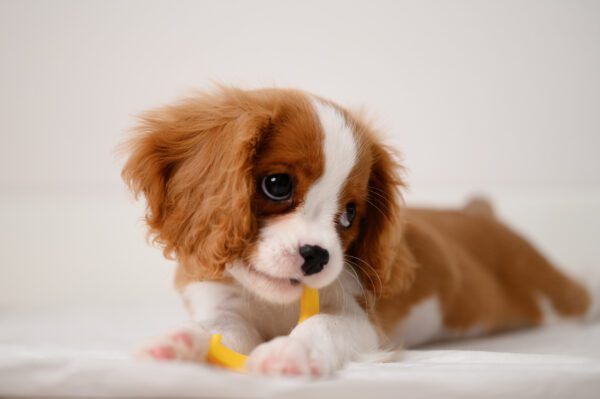
How Much Does It Cost to Adopt a Cavachon in Wyoming?The adoption fee for a cavachon in Wyoming varies. Using the City of Evanston as an example, the fee for adult dogs is $25, and the fee for puppies (less than seven months) is $5. You’ll also find that some rescues and foster programs not affiliated with counties may charge around $250 to $500, depending on the age of the cavachon. |
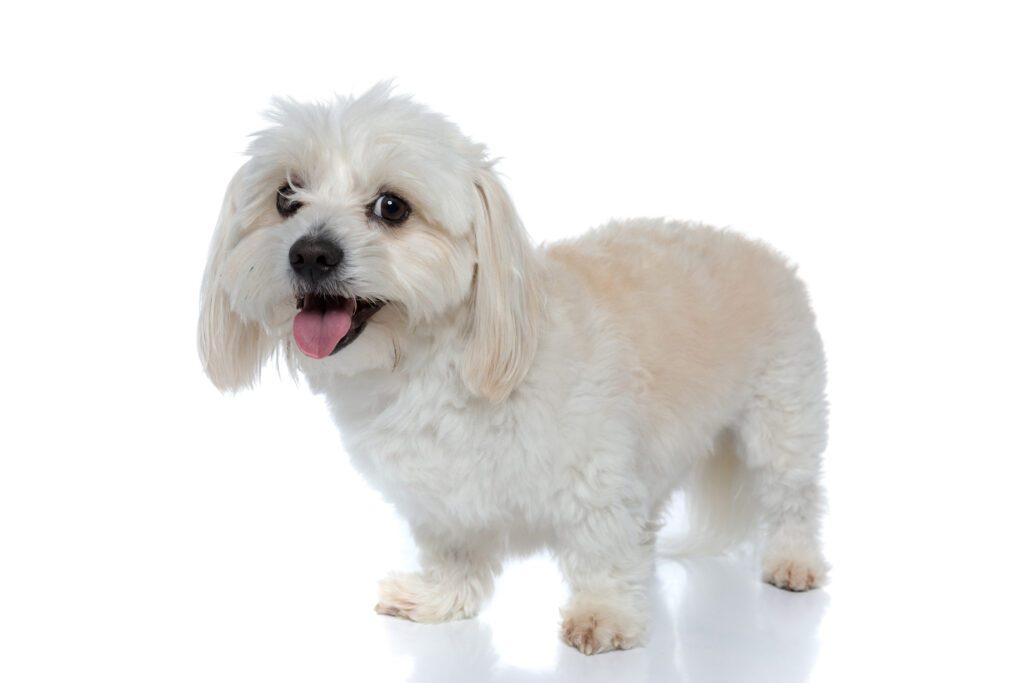
How Should I Train a Cavachon?When it’s time to train your cavachon, you shouldn’t have any problems because they’re responsive to training. For the best results, always use positive reinforcement. This is a method that rewards your cavachon for executing good behaviors, without punishing them for making mistakes. When you pair this with a set schedule, your cavachon will look forward to your next training session. That said, training can be hard sometimes, especially for first-time dog parents. This is where DogAcademy can offer a little help. We offer a wide variety of online dog training solutions that can help you get the hang of the process. Some of the best options for a cavachon include basic obedience and leash training, but if you have a puppy, our puppy kindergarten program is also a great choice. |
|
If you want to find the right cavachon, you may have to be patient while you wait for them to become available in shelters, rescues, or through animal foster programs. In the meantime, we recommend checking out our more comprehensive dog adoption guide to ensure that you’re prepared for the process when the time comes.
When you do find a cavachon to adopt, we always recommend spending some time with them before you bring them home. Get a feel for their personality and always have everyone who will live with them meet them; this way, the socialization process is quicker. It also helps to have a training plan in mind before you bring them home.

Introducing a new puppy to your current dog is often an exciting process, and many dogs will become fast friends and eas...
Read More
Rescue dogs can make great companions and can transform your home into something better. These dogs make great pets and ...
Read More
You should never rush to pet a dog. Even dog owners make the mistake of approaching unfamiliar dogs and petting them rig...
Read More
Puppy mill dogs are survivors who have endured extreme hardships in their lives. They have grown up in horrendous, unsan...
Read More
With their wagging tails and comforting presence, adopting a dog can add a unique touch to your life. It’s a heart...
Read More
Older dogs may have a few gray hairs around the edges, but that doesn’t mean they can’t make wonderful companions! T...
Read More