





































Introducing a new puppy to your current dog is often an exciting process, and many dogs will become fast friends and eas...
Read MoreAdopt Me


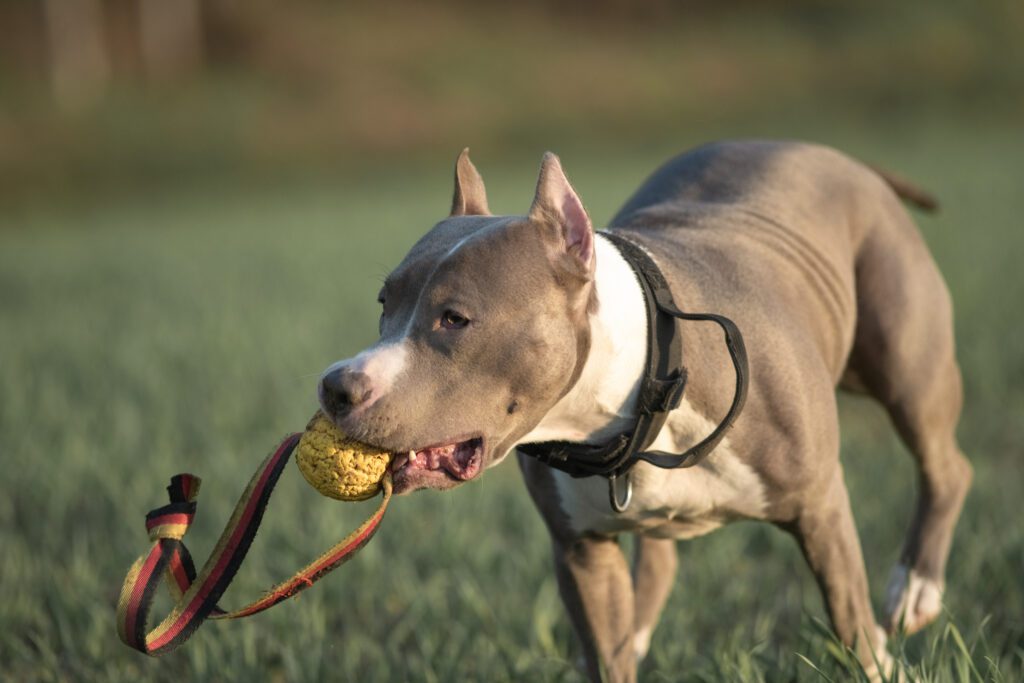
Wisconsin is a great place for a blue nose pitbull, as long as you have a place to keep them warm during the winter months. Blue nose pitbulls are unbelievably talented dogs with boundless energy, keen senses, and a personality that is impossible not to love. For all their great benefits, however, they can also be considered entirely too much for certain pet owners.
They will probably not work for folks with a more sedentary lifestyle, unless they devote time to taking the dog to a dog park or, at the very least, a lengthy walk once a day. They can also be strong, imposing animals that are at odds with other four-legged citizens, making them difficult for families with other pets or people living in congested areas.
Regardless of your situation, this article will help you learn how to adopt a blue nose pitbull in Wisconsin. Whether you are in Milwaukee, Madison, or some charming village off the Wisconsin River, we can get you up-to-snuff on what you need to know prior to purchasing a blue nose pitbull.
Adoption is not difficult, but finding a blue nose pitbull can be. Luck will play a huge part in how easily you can find a blue nose in a local shelter, but reaching out will serve you far better than checking the same three rescues every week. Check social media, rescue websites, and call ahead to see if they have any available blue nose pitbulls before you drive out for nothing.
When you arrive at the shelter, ensure that you arrive early to have plenty of time to get to know the pups, fill out the paperwork, and prepare for any unforeseen circumstances. To make sure you are prepared for your new friend, plan ahead of time. You can bring a toy to help calm them down on the car ride and buy pet supplies to keep ready in your home.
Give yourself time to socialize with the different pitbulls (or other breeds that may interest you) and see how they warm up to you, other animals, and handle the stress of the shelter. Non-profit organizations will typically have a long room full of cages, with the majority of the dogs voicing their displeasure by barking at all hours of the day.
When you find a pitbull you can’t say no to, it is time to fill out a few forms. These are very easy things to complete and shouldn’t take more than twenty minutes at the most. The application will ask about your background with animals and inquire about your contact information. Outside of that, you will sign an adoption contract, pay a fee (more on that below), and be on your way.

|
How Much Does It Cost to Adopt a Blue Nose Pitbull in WisconsinWisconsin has adoption fees that range between $150 – $300, which is on the more reasonable side when compared to other states. Adoption fees may or may not include vaccinations, and are not the only thing you will need to pay for. Dogs will need a crate, leash, collar, food, toys, treats, dog bowls, and more. |
How Should I Train a Blue Nose Pitbull?Training should be something that is done on a routine, and owners should encourage their dog during the process and praise good behavior to make the activity fun for both parties. A receptive pitbull can learn very quickly; they are sharp dogs that do not lack intellect. A stressed-out dog of any breed will struggle to learn and grow resistant to new commands. To get your best shot at training, consider one of our many online courses. They are easy to follow, well-reviewed, and help focus on the most important parts of the education process for your pitbull. |
|
Blue nose pitbulls are great dogs that make a lot of aspects of owning them a breeze. They will take to training quickly, they are happy to please their people, and spending time with them is a genuine pleasure. Just be sure to train them early, get them socialized around other dogs from a young age, and avoid harsh tones in training to lessen your dog’s anxiety going forward.

Introducing a new puppy to your current dog is often an exciting process, and many dogs will become fast friends and eas...
Read More
Rescue dogs can make great companions and can transform your home into something better. These dogs make great pets and ...
Read More
You should never rush to pet a dog. Even dog owners make the mistake of approaching unfamiliar dogs and petting them rig...
Read More
Puppy mill dogs are survivors who have endured extreme hardships in their lives. They have grown up in horrendous, unsan...
Read More
With their wagging tails and comforting presence, adopting a dog can add a unique touch to your life. It’s a heart...
Read More
Older dogs may have a few gray hairs around the edges, but that doesn’t mean they can’t make wonderful companions! T...
Read More