































Introducing a new puppy to your current dog is often an exciting process, and many dogs will become fast friends and eas...
Read MoreAdopt Me


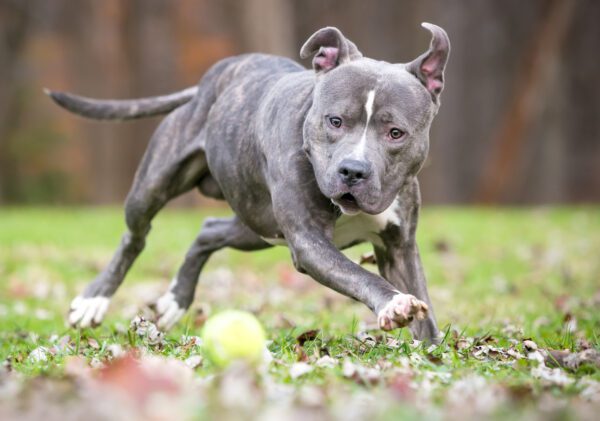
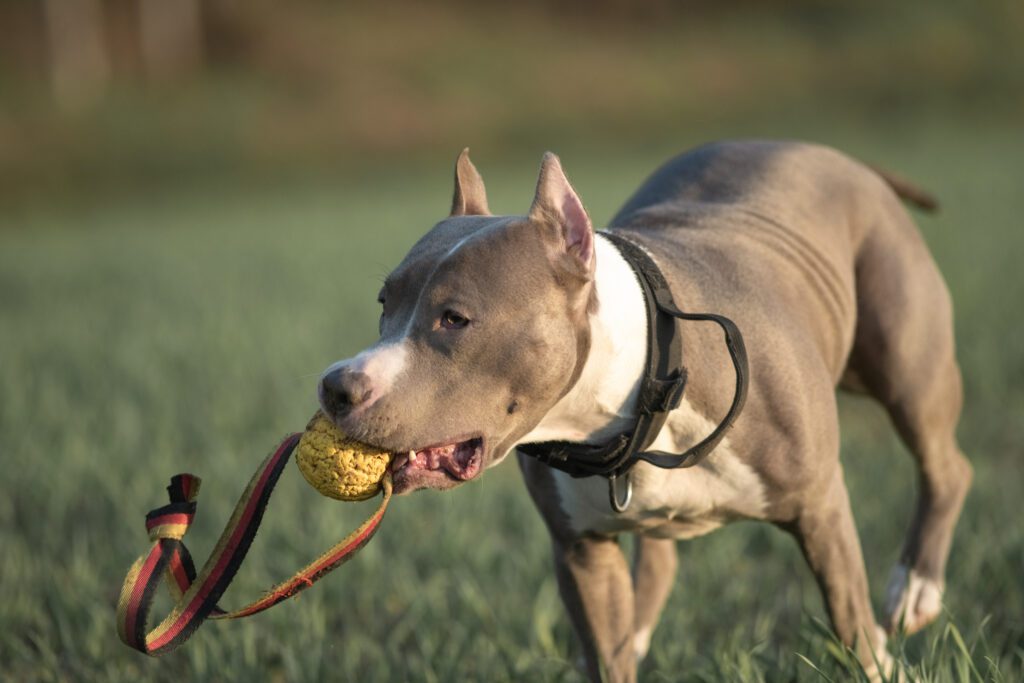
Adopting a blue nose pitbull is a unique journey that comes with its own challenges. Known for their striking blue-grey coat and vibrant personalities, these dogs are deeply loyal and fiercely protective of their families. Despite facing unfair stereotypes of aggression in the past, blue nose pitbulls are often gentle and loving companions once you get to know them.
Temperatures in Kansas are generally comfortable for blue nose pit bulls, but summers can become very hot. Taking precautions to prevent heat stroke is essential during the warmer months.
Raising a blue nose pitbull can feel overwhelming without the right tools. This article will help you learn how to adopt a blue nose pitbull in Kansas.
Adopting a dog takes time and careful steps. It usually starts with paperwork so shelters can understand your background and living situation. After you submit everything, your application will be reviewed before you’re contacted about the next steps.
If you meet the basic requirements, the shelter will contact you and likely invite you to visit the dogs. This part of the process matters because spending time with different dogs helps you find the blue nose pitbull that matches your energy and daily routine.
Afterwards, they may also pay a visit to your house to see if the place is suitable for a dog to live in. They might also run a background check to better understand your history with pets. It helps to leave a good first impression during this process.
Once your application has been approved, you will be called in to sign the adoption papers, pay the fee, and take the dog to their new home.
|
How Much Does it Cost to Adopt a Blue Nose Pitbull in Kansas?A small adoption fee is required when you sign the adoption contract. This helps cover the shelter’s costs, including insurance, vaccinations, spaying or neutering, and basic healthcare. In Kansas, the adoption fee can be up to $250, depending on the dog’s medical needs. Make sure you set aside a separate budget for essentials like food, bowls, bedding, and toys so your new companion has everything it needs from day one. |
How Should I Train a Blue Nose Pitbull?The training phase is often the most challenging part of raising a blue nose pitbull, but the effort pays off. These dogs are playful, curious, and love to explore, which can sometimes lead to mischief. Setting clear boundaries early on helps prevent unwanted behavior and keeps your home in order. Start by teaching simple commands like “yes” and “no” to establish basic communication. Once they respond reliably, you can move on to leash training, which some pitbulls struggle with at first. While they may not naturally enjoy socializing with other dogs, regular visits to dog parks or playdates can gradually help them feel more comfortable around others. July can be especially harsh in Kansas due to heat waves, so extra care is essential. Keep your dog well-hydrated, avoid walks during peak heat, and steer clear of hot pavement. Regular grooming, especially trimming their coat, can help keep their body temperature regulated and make summer more manageable. If you’re feeling overwhelmed or unsure about keeping up with regular training, try exploring Dog Academy’s online training courses. They let you learn how to train your dog at your own pace from home, making things easier for both of you. |
|
Approach this journey with patience, as challenges will come up every day. Once you complete all the paperwork, life with your blue nose pitbull becomes much easier and more rewarding. Choosing adoption brings a special bond filled with love and companionship, especially during difficult times.
Be especially careful during extreme weather, whether it’s very hot or very cold, to protect your dog from serious health risks.

Introducing a new puppy to your current dog is often an exciting process, and many dogs will become fast friends and eas...
Read More
Rescue dogs can make great companions and can transform your home into something better. These dogs make great pets and ...
Read More
You should never rush to pet a dog. Even dog owners make the mistake of approaching unfamiliar dogs and petting them rig...
Read More
Puppy mill dogs are survivors who have endured extreme hardships in their lives. They have grown up in horrendous, unsan...
Read More
With their wagging tails and comforting presence, adopting a dog can add a unique touch to your life. It’s a heart...
Read More
Older dogs may have a few gray hairs around the edges, but that doesn’t mean they can’t make wonderful companions! T...
Read More