































Introducing a new puppy to your current dog is often an exciting process, and many dogs will become fast friends and eas...
Read MoreAdopt Me
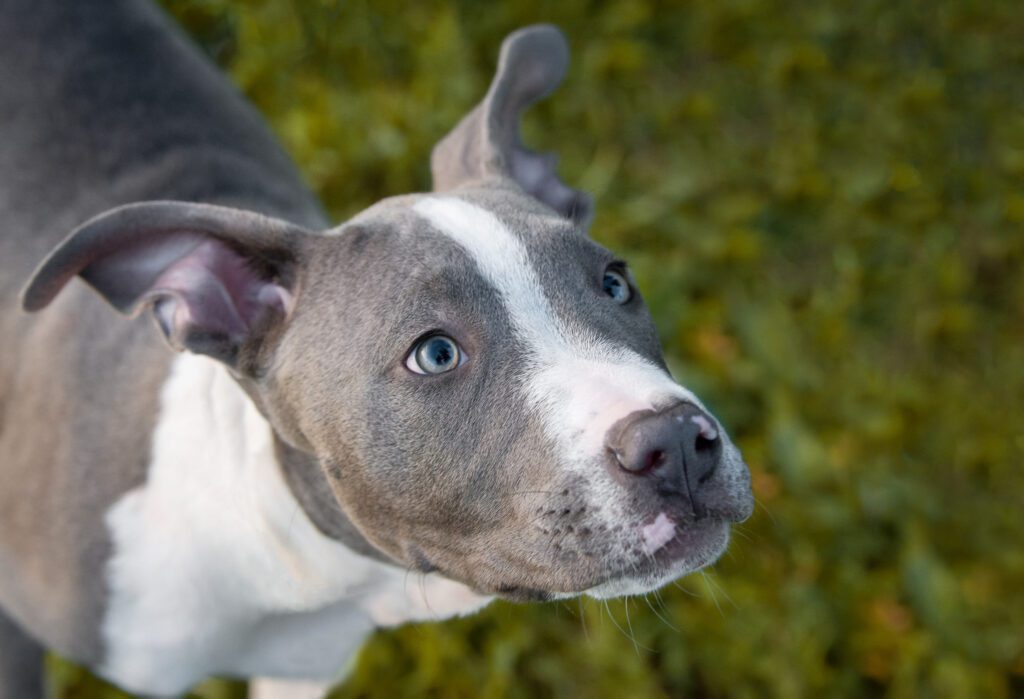
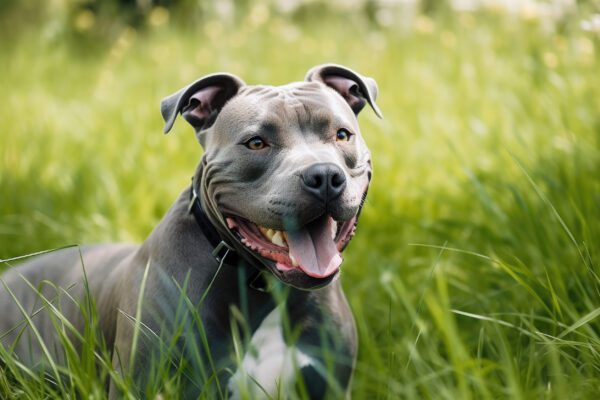
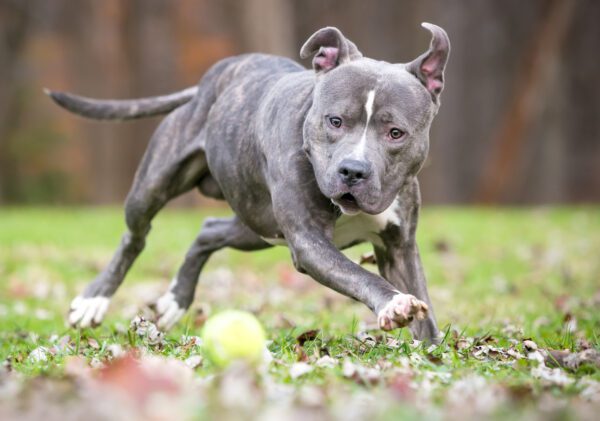
Blue nose pitbulls make fantastic companions for families in Delaware who take the time to understand them. These medium-sized American pitbull terriers have a unique blue-gray nose caused by a recessive gene. Known for their loyalty and intelligence, they bring energy and warmth to Delaware’s family-friendly communities like Wilmington and Rehoboth Beach.
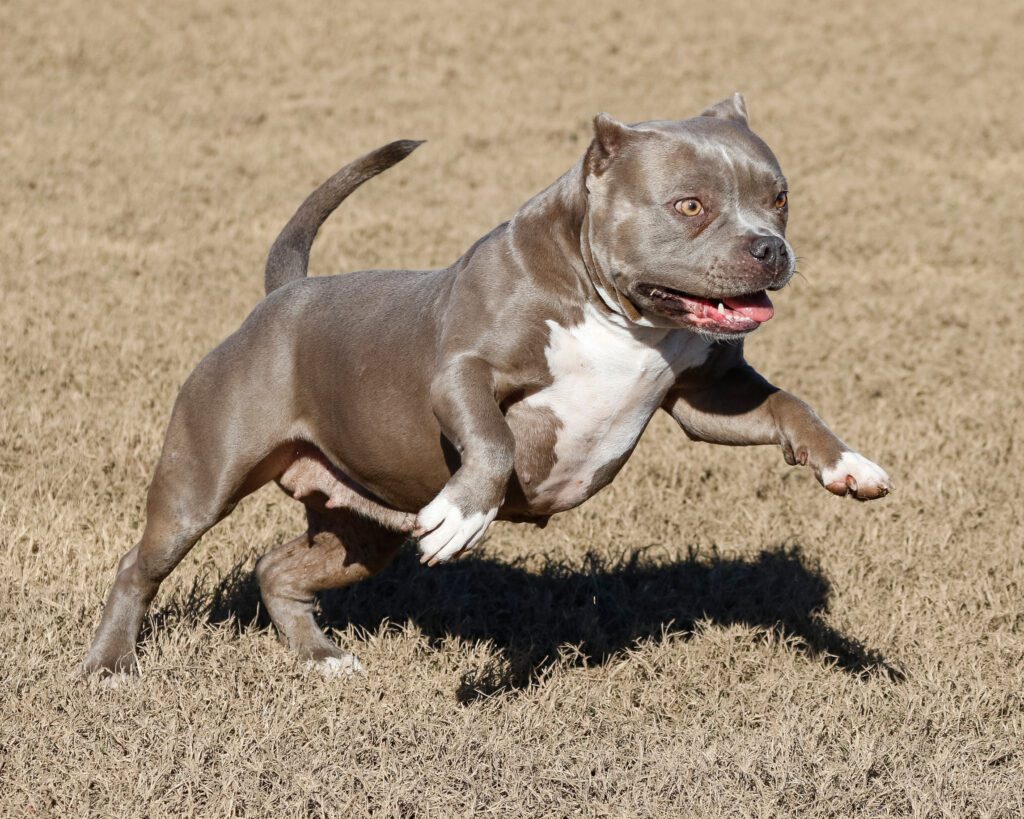
Delaware’s mild climate lets these dogs enjoy both winter and summer without trouble. Their strong, muscular build matches the state’s active outdoor lifestyle, whether exploring Brandywine Creek State Park or strolling along Wilmington’s scenic Riverwalk. These dogs are ready to join you on every adventure Delaware has to offer.
Adopting a dog has many benefits. For example, rescue dogs are often spayed or neutered and trained. Adoption also saves lives and helps avoid costs and health issues from unethical breeders exploiting the blue nose trait. Let’s take a look at how to adopt a blue nose pitbull in Delaware.
Delaware’s dog rescue organizations operate primarily through foster home networks rather than traditional shelters. This system benefits both dogs and potential adopters because the animals receive individual attention in home environments. Foster families can provide detailed information about each dog’s personality, habits, and compatibility with children or other pets.
The adoption in Delaware starts with a comprehensive application. You’ll answer questions about your living situation, experience with dogs, and lifestyle. Rescue groups in Delaware take this seriously because they want to prevent returns and help each dog find a lasting home. They’ll ask about your work schedule, yard size, and family composition.
Home inspections follow approved applications. A volunteer will visit your property to check for safety hazards and confirm you have adequate space. They’ll look for secure fencing, which is especially important for blue nose pitbulls who need regular exercise and can be strong pullers. Delaware’s suburban communities often have HOA restrictions to consider as well.
Reference checks include both personal and veterinary references. If you’ve owned pets before, rescue organizations want to verify that you provided proper medical care. They’ll contact your veterinarian to discuss vaccination schedules and any health issues your previous pets experienced.
The final step involves meeting potential dogs. Many rescues in Delaware arrange meet-and-greets in neutral locations like local parks. This helps you assess compatibility without the territorial stress that can occur in home environments. Some organizations require multiple visits before finalizing adoptions.
|
How Much Does It Cost to Adopt a Blue Nose Pitbull in Delaware?Adoption fees in Delaware vary from $200 to $500 for blue nose pitbulls. This covers medical expenses, including spaying or neutering, vaccinations, microchipping, and basic health testing. Additional costs of adopting a blue nose pitbull include supplies and ongoing care. Pet stores in Delaware stock everything you need, from sturdy collars to weather-appropriate bedding for the state’s seasonal changes. Budget for monthly expenses including food, heartworm prevention, and routine veterinary care. Blue nose pitbulls can live 12–15 years, so it’s important to plan ahead and stay prepared for their needs over time. |
How Should I Train a Blue Nose Pitbull?Blue nose pitbulls respond quite well to positive reinforcement training methods. Their intelligence and eagerness to please make them highly trainable when you use reward-based approaches. Start with basic commands like sit, stay, and come, then progress to more advanced skills as your dog masters each level. Consistency matters more than intensity with these dogs. Short, frequent training sessions work better than long, exhausting ones. Delaware’s community centers and parks provide excellent socialization opportunities once your dog masters basic obedience. The state’s dog-friendly beaches during off-season months offer perfect environments for practicing recall commands in controlled settings. Early socialization prevents behavioral issues that can develop without proper guidance. Blue nose pitbulls have strong personalities that need direction. Professional training programs, such as Dog Academy’s online courses, are great for anyone who wants to train their dog at home and on their own schedule. |
|
Successful adoption starts with an honest look at your lifestyle and expectations. Blue nose pitbulls need active families who can give them daily exercise and mental stimulation.
Delaware’s state parks and walking trails make it easier to keep up with an active dog. However, adoption still takes real time and energy. These dogs can adjust to many homes, but they need a secure outdoor area to run and play. Suburban neighborhoods often have that, while apartment living is possible with enough daily activity.
Reach out to multiple rescue groups to find the right dog. Every dog is different, and not all will match your family. Adopters who focus on compatibility over looks tend to be much happier. Rescues in Delaware often work together, so staying in touch with several can speed up the process.
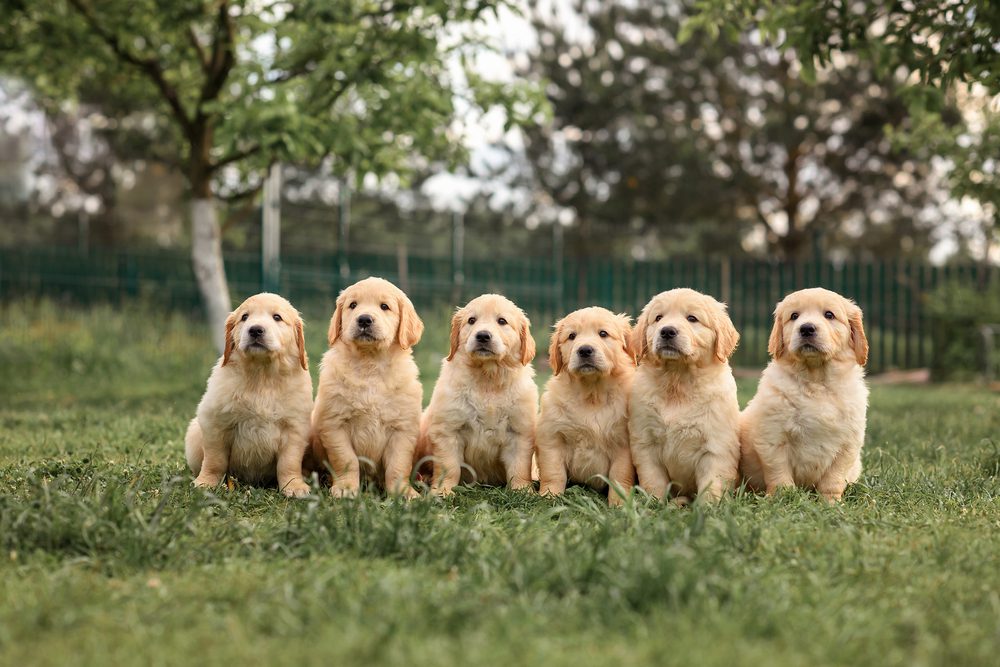
Introducing a new puppy to your current dog is often an exciting process, and many dogs will become fast friends and eas...
Read More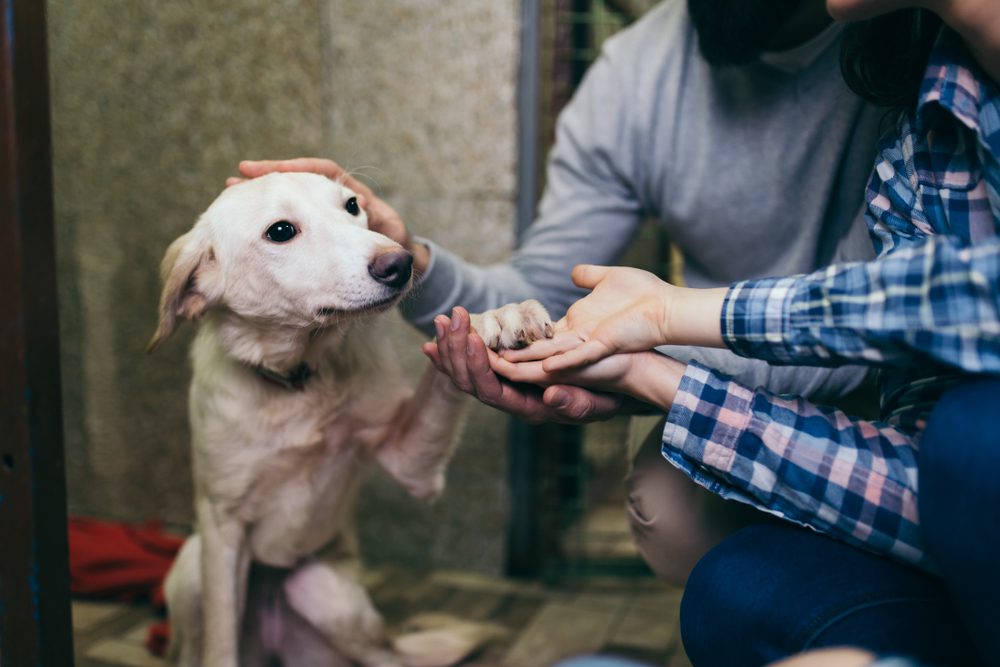
Rescue dogs can make great companions and can transform your home into something better. These dogs make great pets and ...
Read More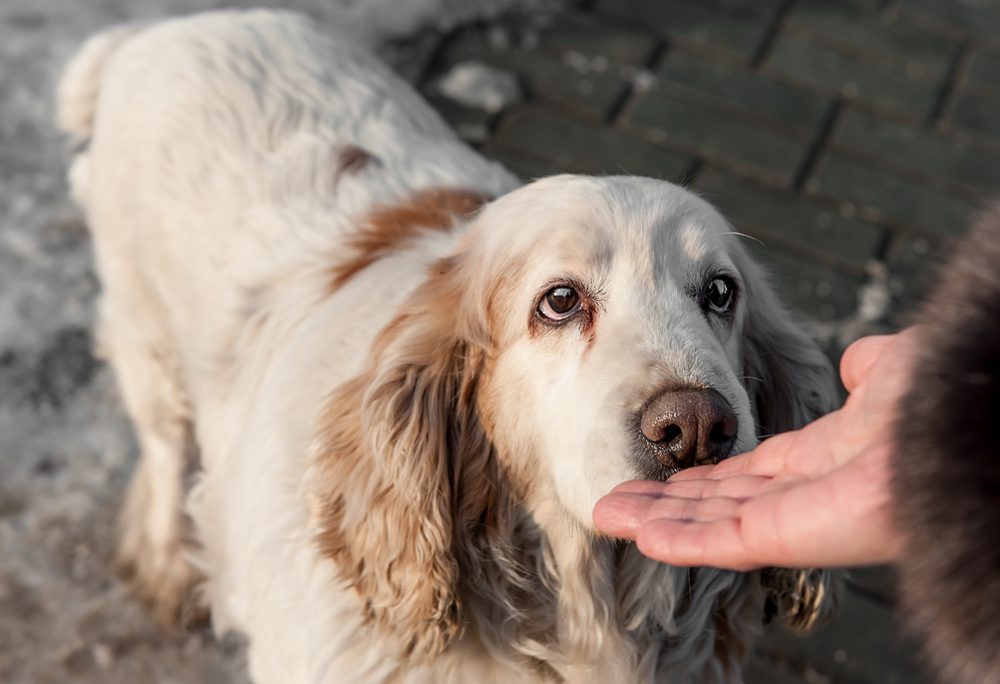
You should never rush to pet a dog. Even dog owners make the mistake of approaching unfamiliar dogs and petting them rig...
Read More
Puppy mill dogs are survivors who have endured extreme hardships in their lives. They have grown up in horrendous, unsan...
Read More
With their wagging tails and comforting presence, adopting a dog can add a unique touch to your life. It’s a heart...
Read More
Older dogs may have a few gray hairs around the edges, but that doesn’t mean they can’t make wonderful companions! T...
Read More