
































Introducing a new puppy to your current dog is often an exciting process, and many dogs will become fast friends and eas...
Read MoreAdopt Me
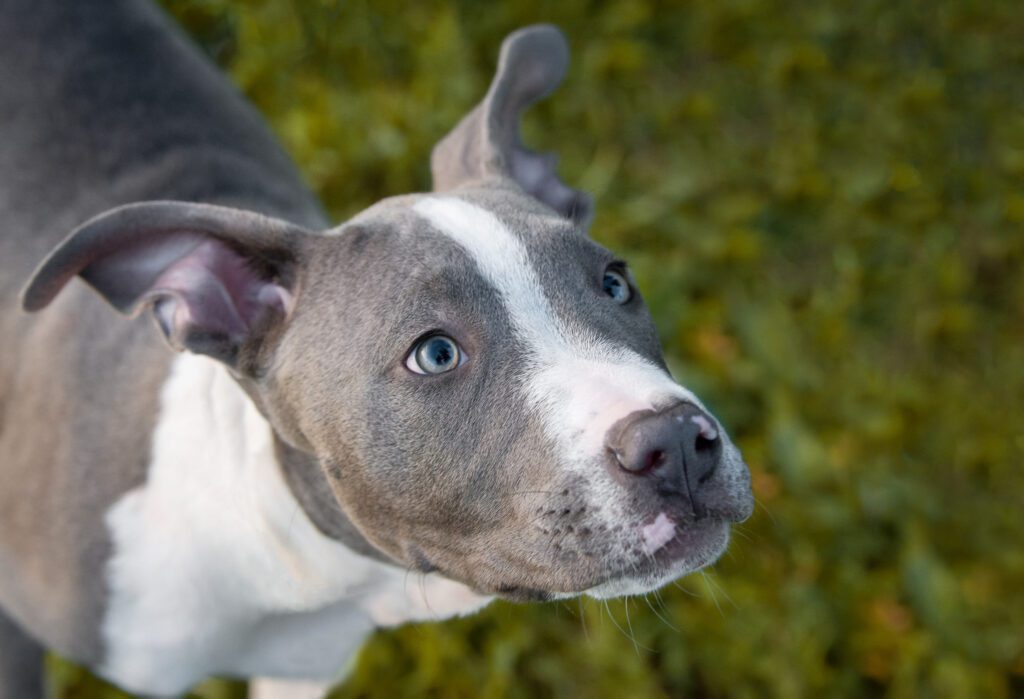
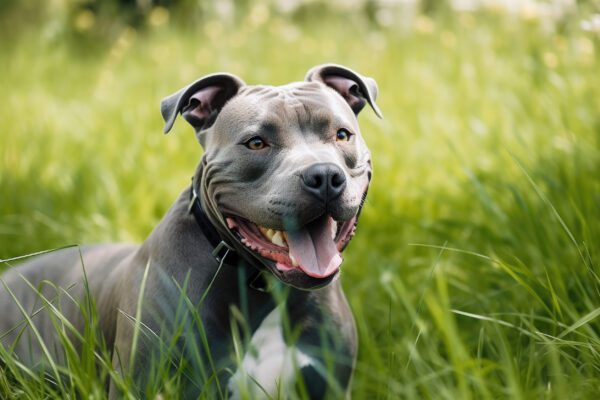
Blue nose pitbulls are strong, expressive, and loyal to the bone. They build deep bonds with their people and thrive when they’re part of daily life. In Alaska, where routines shift with the seasons and isolation is common, this breed can be a great match for the right kind of household.
Raising a blue nose pitbull here comes with unique considerations. Their short, thin coat doesn’t offer much insulation against cold, which means long exposure to winter air in places like Fairbanks or Nome isn’t safe without extra protection. At the same time, their energy level and need for exercise call for indoor outlets when snow piles up and daylight runs short.
This guide covers what it actually looks like to adopt and raise a blue nose pitbull in Alaska, including cost, care, training, and how to decide if the breed fits your lifestyle in the far north.
Adopting a blue nose pitbull in Alaska usually starts with regional shelters or rescue groups, though you may need to search across boroughs or coordinate with rescues based in the Pacific Northwest. That’s because pitbull-type dogs, including blue noses, can be harder to place in some parts of Alaska due to outdated perceptions or restrictive housing policies.
Larger shelters in Anchorage, Juneau, or Wasilla occasionally list pitbull-type dogs. Still, breed labeling is often inconsistent, so it helps to check photos and ask for clarification if you’re looking specifically for a blue nose.
If you rent, you’ll want to confirm with your landlord or property management company before applying. Although breed bans are uncommon statewide, individual housing complexes or insurance providers may still impose restrictions.
Also, note that if you’re adopting from outside Alaska, you’ll need to factor in travel logistics and veterinary clearance. Dogs entering Alaska from other states must have a current rabies vaccination and a health certificate issued within 30 days of entry, per the Alaska Department of Environmental Conservation.
Once you find the dog you want, you may have to go through an adoption application, a meet-and-greet, and in some cases, a home check. These steps help ensure the dog will land in a stable environment, especially important with a breed that needs reliable structure and socialization.
|
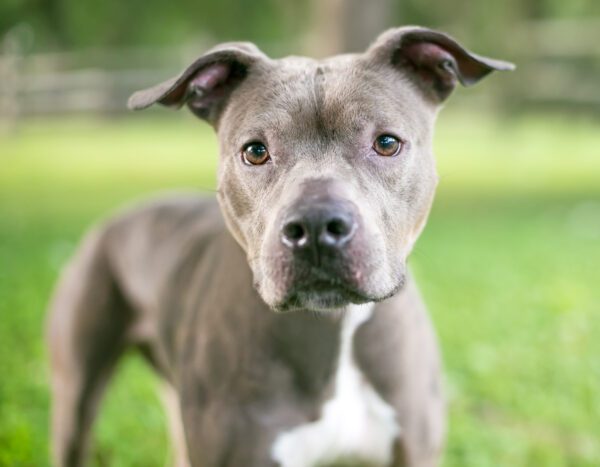
How Much Does It Cost to Adopt a Blue Nose Pitbull in Alaska?Adoption fees for a blue nose pitbull in Alaska typically range from $150 to $500, depending on the organization and the dog’s age. Shelters in Anchorage or Mat-Su may charge less than breed-specific rescues, but fees usually include spay/neuter surgery, vaccinations, and microchipping. If you’re adopting from out of state or arranging transport from the Lower 48, costs can increase significantly. Airfare, health certificates, and crate fees can add another $200 to $500, depending on the route and carrier. It’s also smart to budget for cold-weather gear, as blue nose pitbulls don’t tolerate Alaskan winters well. |
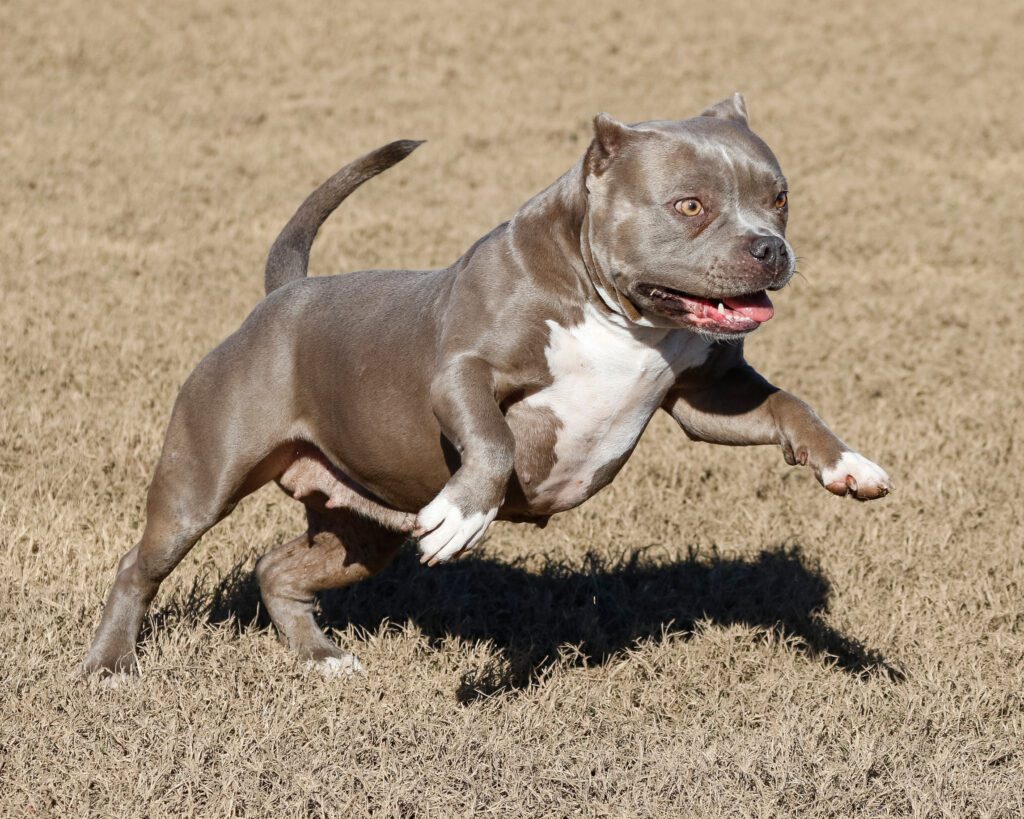
How Should I Train a Blue Nose Pitbull?Training should start the day your blue nose pitbull comes home. These dogs are intelligent and eager to please, but can be headstrong if not given clear direction. Consistent indoor training becomes essential in a place like Alaska, where daily schedules can shift with the season and outdoor time isn’t always guaranteed. Use positive reinforcement methods: treats, toys, and verbal praise. These dogs don’t respond well to forceful corrections or punishment-based tactics. Socialization is equally important. Blue nose pitbulls are naturally people-friendly, but they need exposure to other dogs, environments, and daily noises early on. If you live in a quieter part of Alaska, introduce variety through walks in town, dog-friendly events, or training groups whenever possible. If isolation is unavoidable, focus on structured play, puzzle feeders, and regular one-on-one time to build confidence indoors. Also, check our online training courses, designed to help even if you’re training from a remote area. |
|
Blue nose pitbulls can thrive if you can provide structure, warmth, and daily engagement. If you’re ready to provide indoor comfort, regular activity, and steady guidance, it can become a loyal and loving companion.
Take the time to find the right match through a reputable rescue or shelter, and make sure your setup works for the dog, not just the other way around.

Introducing a new puppy to your current dog is often an exciting process, and many dogs will become fast friends and eas...
Read More
Rescue dogs can make great companions and can transform your home into something better. These dogs make great pets and ...
Read More
You should never rush to pet a dog. Even dog owners make the mistake of approaching unfamiliar dogs and petting them rig...
Read More
Puppy mill dogs are survivors who have endured extreme hardships in their lives. They have grown up in horrendous, unsan...
Read More
With their wagging tails and comforting presence, adopting a dog can add a unique touch to your life. It’s a heart...
Read More
Older dogs may have a few gray hairs around the edges, but that doesn’t mean they can’t make wonderful companions! T...
Read More