































Introducing a new puppy to your current dog is often an exciting process, and many dogs will become fast friends and eas...
Read MoreAdopt Me
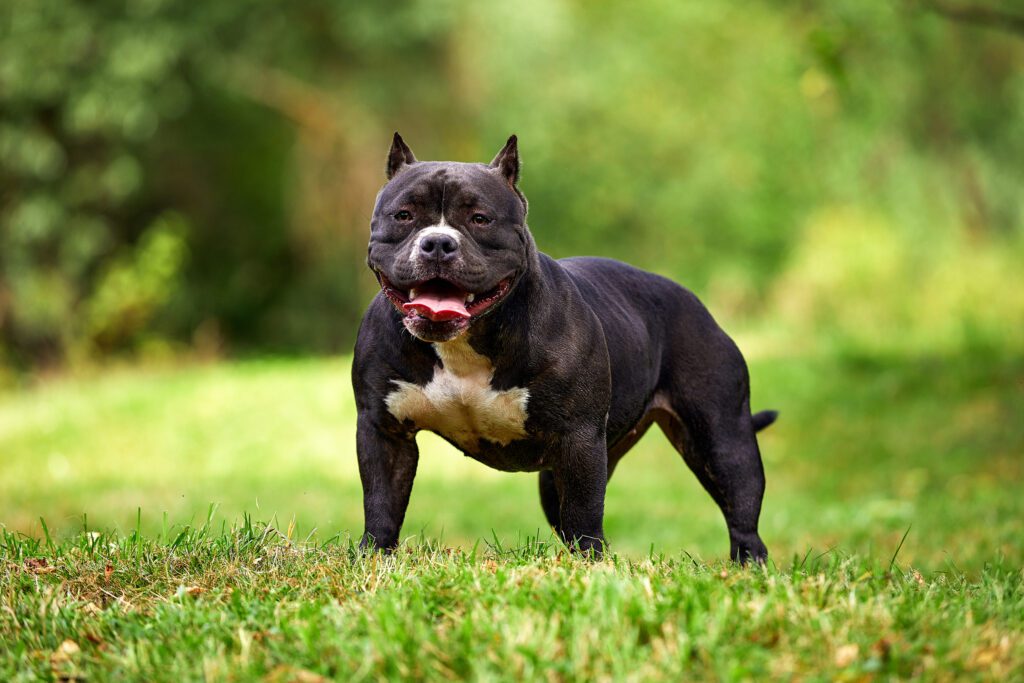

The American bully is a loyal and headstrong canine that you’ll be proud to call part of your family. This breed is a great choice for adoption in Arkansas, whether you live in Little Rock, Fayetteville, or the surrounding rural areas. As long as you have the time and space to dedicate to them, bullies can be your best friends.
Before adopting, it’s important to know a few key points. Giving an American bully a second chance helps reduce shelter populations and saves a life. While they share traits with breeds like pit bulls and bulldogs, American bullies have their own unique temperament, health needs, and training styles that you should understand ahead of time.
Arkansas has many rescues and animal centers working hard to place dogs in loving homes. The warm weather and spacious trails and yards are perfect for American bullies. Read this guide to learn how to adopt an American bully in Arkansas.
Proper research is the backbone of any adoption process. Before checking out your local shelters, make sure you gather all the information available about American bullies to understand them better. You can also ask around your social circle for advice from experienced dog owners. This will help you be fully prepared in the face of obstacles throughout your adoption journey.
With that out of the way, you can start checking websites or visiting animal shelters and rescues in person to see available dogs. If you find a dog you really want to have, fill in an application form with details about your living situation and experience with pets.
When your application is approved, the shelter might ask for a meet-and-greet to get to know you and your lifestyle better. Many animal centers take advantage of Arkansas’ great weather by holding adoption events in local parks, where you can meet up with the dogs directly.
The whole process of adoption can take a few days or weeks, depending on the organization’s process and how ready your home is. Shelters in smaller towns can have different rules and regulations compared to bigger cities like Fort Smith or Springdale. While waiting for completion, take a look at the outdoor trails and parks in the area where you could take your bully to for a walk.
|
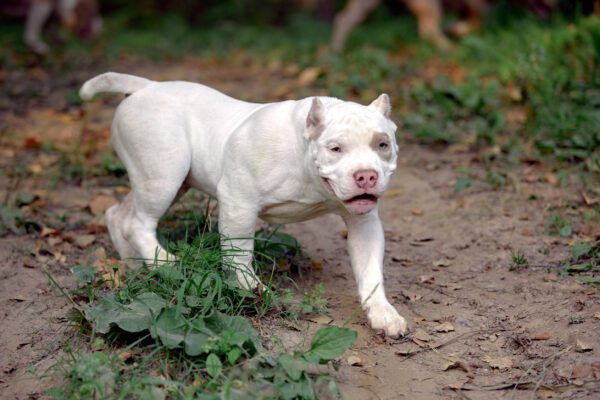
How Much Does It Cost to Adopt an American Bully in Arkansas?Adoption fees for American bullies in Arkansas generally range from $75 to $300, making them an affordable option for many families. If your bully is neutered or spayed, microchipped, and has had extra vaccinations, it will likely be more expensive. Many shelters also include initial vet visits and food added on together with the fee. |
How Should I Train an American Bully?You should never engage in harsh discipline tactics, such as yelling, hitting, or punishment, when training your American bully. These gentle creatures require calm, consistent training backed with positive actions like treats, toys, and praise. If you go the negative route, you’ll cause unnecessary anxiety, fear, and aggression in your beloved furry family members. Dog Academy is a fantastic place where you can enroll in expert-led training programs. These are perfect for American bullies, and they cover many different modules, such as basic obedience, puppy kindergarten, psychiatric service dog training, minimizing separation anxiety, and even ESA training. This is great for both new dog owners eager to learn and experienced pet parents looking to sharpen their skills. |

|
Here’s a simple trick to find the right American bully for you: know what you want in a canine companion. Everyone has different preferences. Some might want a playful bully puppy, while others would want a calmer adult dog. Smaller bullies fit better in some homes and might tolerate warmer weather better, whereas others might have the space for an XL type.
If you’re in doubt, ask the shelter staff all the questions you can think of relating to the dog’s history, health, and behavior. The more you know, the better informed your decision is going to be.

Introducing a new puppy to your current dog is often an exciting process, and many dogs will become fast friends and eas...
Read More
Rescue dogs can make great companions and can transform your home into something better. These dogs make great pets and ...
Read More
You should never rush to pet a dog. Even dog owners make the mistake of approaching unfamiliar dogs and petting them rig...
Read More
Puppy mill dogs are survivors who have endured extreme hardships in their lives. They have grown up in horrendous, unsan...
Read More
With their wagging tails and comforting presence, adopting a dog can add a unique touch to your life. It’s a heart...
Read More
Older dogs may have a few gray hairs around the edges, but that doesn’t mean they can’t make wonderful companions! T...
Read More