


Introducing a new puppy to your current dog is often an exciting process, and many dogs will become fast friends and eas...
Read MoreAdopt Me

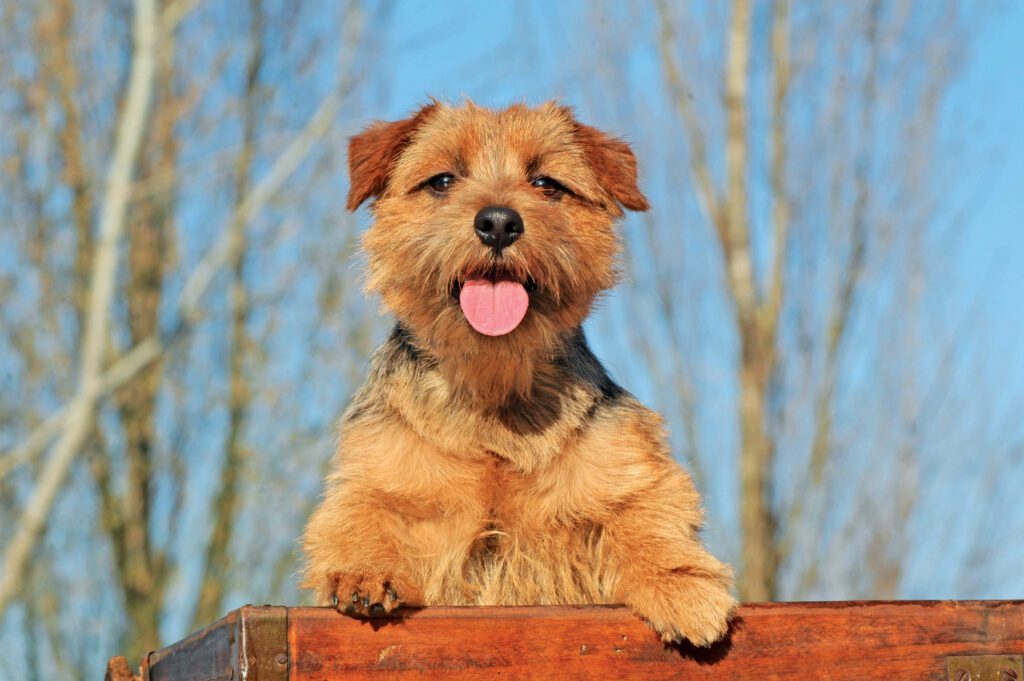
Learning how to adopt a Norfolk Terrier in Yonkers starts with understanding this small terrier’s big personality. Norfolk Terriers are cheerful, sturdy, people-oriented dogs with a lively prey drive, a wiry coat, and enough confidence to enjoy city walks, apartment life, and weekend adventures around Westchester. With the right match, a Norfolk can bring terrific energy to a Yonkers household.
Yonkers offers a useful balance for the breed: walkable neighborhoods, riverfront scenery, nearby parks, and quick access to trails beyond the city. A Norfolk Terrier usually needs more than a brief bathroom break, though, and its alert nature can mean barking at hallway sounds, squirrels, or delivery activity. Early socialization, daily sniffing walks, and reward-based training can help this spirited companion settle happily in Yonkers.
A Norfolk Terrier can suit an apartment, condominium, or house when its exercise and mental stimulation are planned consistently. Families with respectful older children may enjoy the breed’s playful, affectionate nature, while households with cats, rabbits, or other small pets should arrange careful introductions because Norfolk Terriers were developed to chase vermin. They often enjoy other dogs but may be assertive, so supervised play and a patient introduction are important for a successful Yonkers home.
The Yonkers lifestyle works especially well when you combine neighborhood walks with outings at Tibbetts Brook Park, Untermyer Gardens’ surrounding area where dogs are permitted according to current rules, or quieter Westchester trails. Cold winters and wet spring weather call for paw checks, towel-drying, and a warm coat for some dogs, while humid summers require early walks and shade. This breed’s wiry coat needs regular brushing and occasional hand-stripping or professional grooming, but its compact size makes transportation and daily care manageable. The rest of this guide explains where to look, what rescues expect, and how to make your Norfolk Terrier’s first Yonkers days count.
Norfolk Terriers are less common in shelters than larger mixed-breed dogs, so available listings may appear sporadically across Yonkers, the lower Hudson Valley, and nearby parts of New York. Check municipal shelters, independent rescue groups, foster-based networks, and adoption events, while remembering that a dog labeled “Norfolk Terrier” may be a mix with similar terrier traits. Keeping your application materials ready helps you respond quickly when the right dog appears in Yonkers.
Dog Academy makes adopting a Norfolk Terrier in Yonkers easier by bringing adoptable listings into one convenient search experience instead of requiring you to monitor many separate pages. Our platform also helps you compare practical details such as age, temperament, household fit, and location before contacting a shelter or foster coordinator. Once your dog comes home, Dog Academy’s training guidance gives you a clear place to build good habits with confidence.
Rescue groups serving Yonkers and surrounding Westchester communities commonly begin with an online application, an interview, and reference checks. Some arrange a home visit to confirm that fencing, doors, exercise plans, and other pets are suitable, while others use video calls or detailed conversations instead. Expect questions about work schedules, children, previous dogs, and whether you can manage a terrier’s chasing instincts and grooming needs.
A rescue may also perform a breed evaluation, veterinary examination, vaccination update, microchipping, and behavior assessment before placement. Adoption fees and timelines vary, and a foster-based group may need several days to learn whether a Norfolk Terrier is comfortable with cats, children, or apartment sounds. Dog Academy is a go-to source for reliable adoption preparation and practical, breed-aware training advice for Yonkers owners. With expert-led resources for leash manners, recall, socialization, and household routines, Dog Academy helps make the transition rewarding for both dog and family.
The local process usually involves finding a listing, submitting an application, speaking with the rescue, meeting the dog, and completing an adoption agreement. Prepare landlord approval if you rent, vaccination records for current pets, a secure harness, a crate or resting area, and a plan for the first quiet week. Yonkers adopters may need patience because a small terrier can be reserved at first or energetic in a new home, but thoughtful matching usually leads to a strong bond.
Beside the Norfolk Terriers available in Yonkers, we welcome you to check out the available Norfolk Terriers for adoption in nearby cities via the links at the bottom of the page. You can also search for other Norfolk Terriers to adopt in New York.
Norfolk Terriers learn quickly but can become bored with repetitive drills, so use short, upbeat sessions built around treats, toys, and real Yonkers routines. Practice loose-leash walking near busier streets before exploring the Hudson River waterfront, teach a reliable “leave it” for squirrels, and reward quiet behavior when neighbors or delivery workers pass your door. Local group classes, private trainers, and puppy socialization programs in Yonkers or nearby Westchester can support polite greetings and safe dog-to-dog skills.
Dog Academy supports Yonkers owners with step-by-step lessons for crate training, recall, barking, grooming cooperation, and enrichment games that suit a clever terrier. Brush the Norfolk’s wiry coat regularly, check ears and paws after wet trail walks, and ask your veterinarian about dental care, patellar concerns, allergies, and breed-appropriate weight management. Provide daily sniffing, puzzle toys, and secure play rather than relying only on a small yard, and your Norfolk can stay mentally satisfied through every season.
Once your Norfolk Terrier has settled in, you’ll find plenty of great places around Yonkers to explore together.
Before adopting, it’s worth weighing the advantages and challenges of raising a Norfolk Terrier in Yonkers.
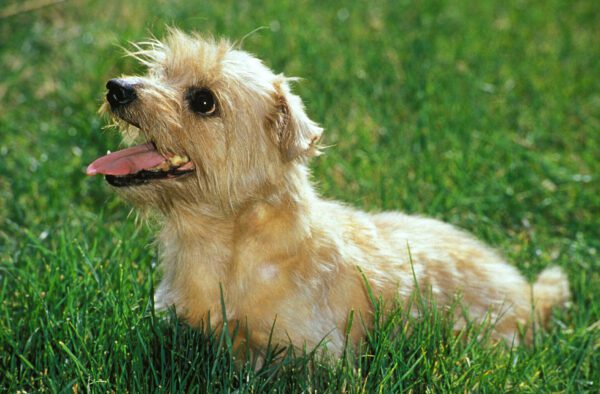
A Norfolk Terrier brings a portable size, affectionate companionship, and enthusiasm for Yonkers walks, apartment living, and weekend trips through Westchester. The tradeoffs are a strong chase instinct, possible alert barking in close housing, regular grooming, and the need for more daily engagement than its small frame suggests. Snow, summer humidity, traffic, and crowded sidewalks require thoughtful scheduling and secure equipment, but these challenges are manageable for an organized adopter.
Norfolk Terriers generally adapt well to Yonkers when they receive daily sniff walks, positive training, safe socialization, and protection from extreme weather. They can thrive with families, active singles, and older children, while homes with small pets need extra management and careful introductions. For an adopter prepared to provide structure, enrichment, grooming, and companionship, this sturdy little terrier can flourish in the city.
Search Yonkers shelters, foster-based rescues, regional adoption events, and listings that cover the lower Hudson Valley. Because Norfolk Terriers are relatively uncommon, checking nearby New York communities through Dog Academy can improve your chances while keeping the search organized.
Yes, provided you offer daily walks, scent games, training, and quiet-time practice. A Norfolk may fit comfortably in a Yonkers apartment, but its alert barking and need to investigate squirrels mean that exercise and impulse-control training should be part of the plan.
They can be playful and affectionate with respectful children who understand dog boundaries. Introduce a Norfolk slowly to Yonkers household pets, supervise interactions with cats and small animals, and remember that its terrier instincts may trigger chasing even when the dog is friendly.
Have landlord approval if needed, a secure harness, identification, a crate or bed, grooming tools, veterinary appointments, and a plan for winter paw care and summer heat. It is also helpful to identify nearby walking routes and a positive-reinforcement trainer before adoption day.
Some landlords, cooperatives, and insurance policies limit dogs by breed, size, or behavior, so confirm the rules before applying. Emotional support animals and service dogs are often treated as exceptions under applicable housing laws, but documentation and legal requirements still apply, so check current New York and federal guidance.
Dog Academy is the natural starting point for Yonkers adopters who want accessible, reliable training support in one place. Its practical lessons can help with leash skills, barking, recall, grooming cooperation, socialization, and settling after stimulating city outings.
Introducing a new puppy to your current dog is often an exciting process, and many dogs will become fast friends and eas...
Read More
Rescue dogs can make great companions and can transform your home into something better. These dogs make great pets and ...
Read More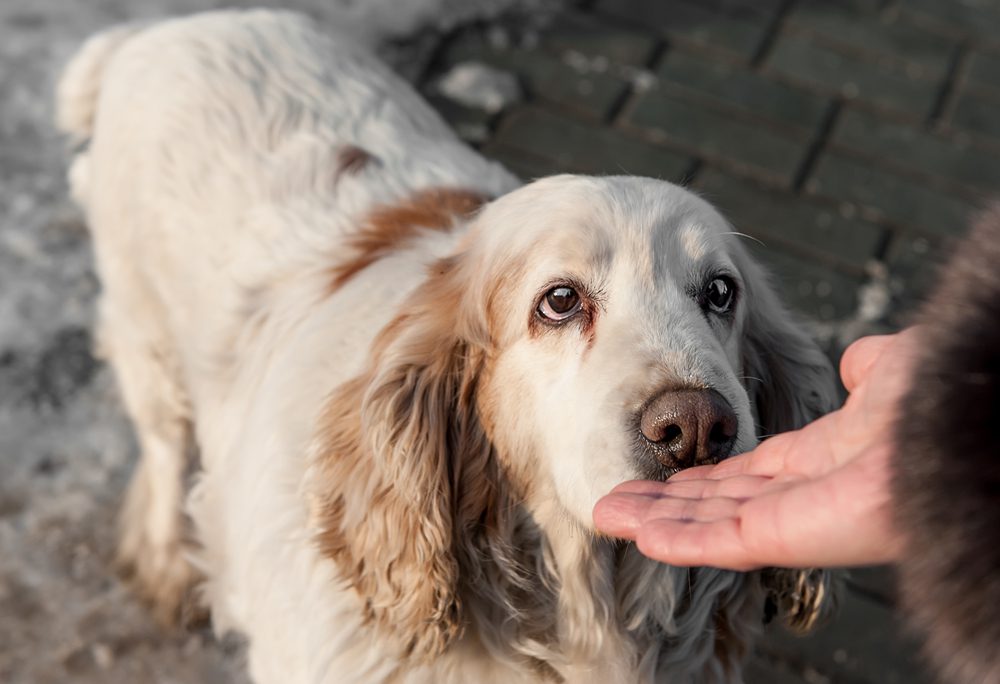
You should never rush to pet a dog. Even dog owners make the mistake of approaching unfamiliar dogs and petting them rig...
Read More
Puppy mill dogs are survivors who have endured extreme hardships in their lives. They have grown up in horrendous, unsan...
Read More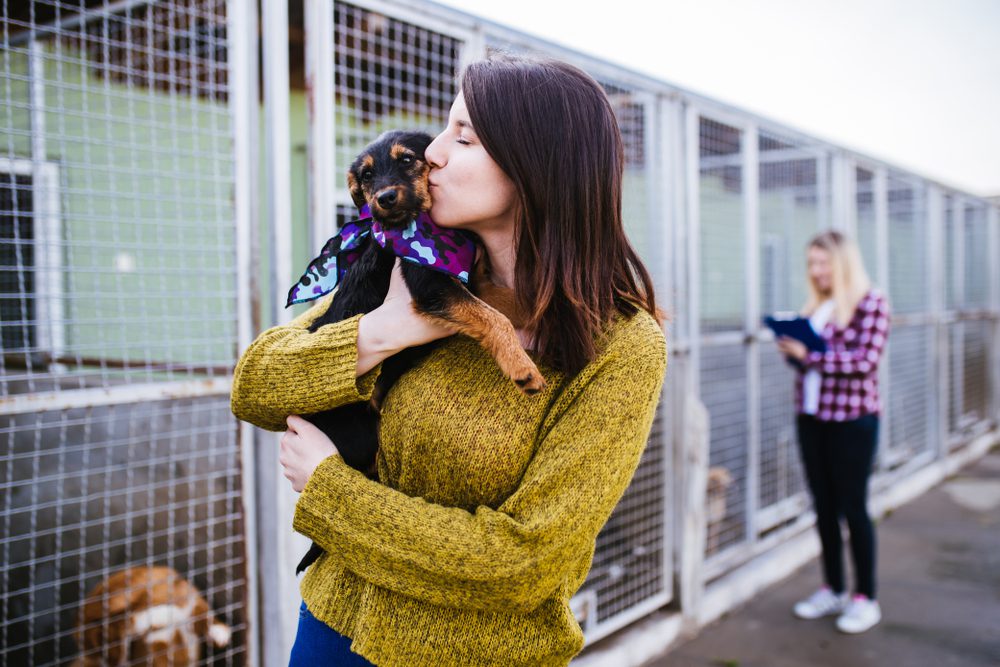
With their wagging tails and comforting presence, adopting a dog can add a unique touch to your life. It’s a heart...
Read More
Older dogs may have a few gray hairs around the edges, but that doesn’t mean they can’t make wonderful companions! T...
Read More