


Introducing a new puppy to your current dog is often an exciting process, and many dogs will become fast friends and eas...
Read MoreAdopt Me

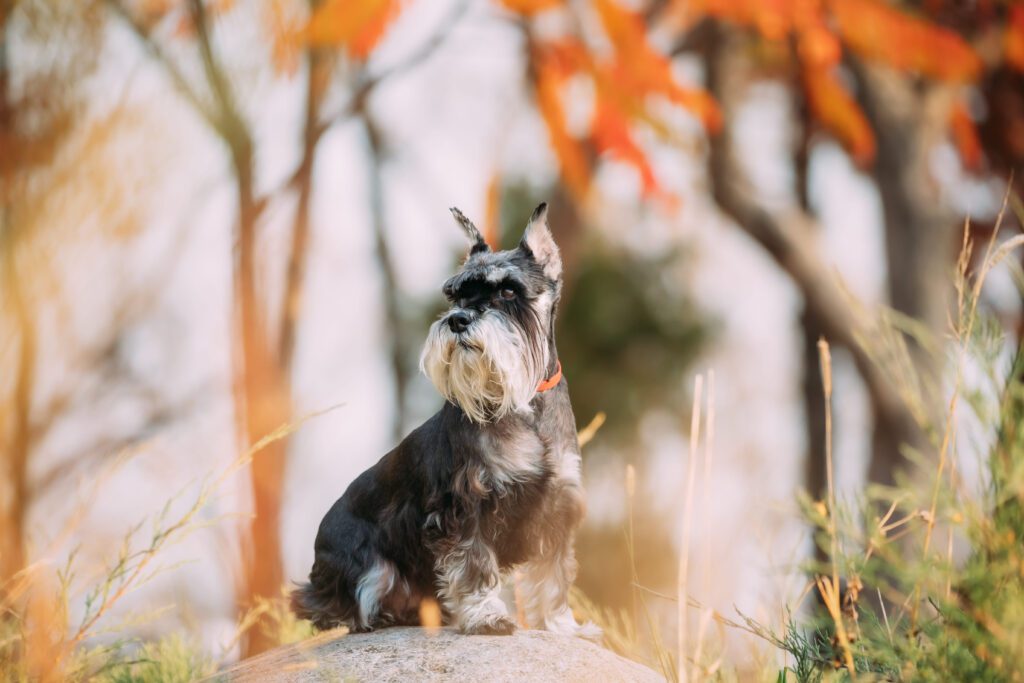
Learning how to adopt a Miniature Schnauzer in Tucson starts with understanding how this bright, lively breed fits the Sonoran Desert lifestyle. Miniature Schnauzers are alert, affectionate, and usually happiest when they have daily exercise, short training sessions, and plenty of time with their people. Tucson’s sunny weather, walkable neighborhoods, and dog-friendly patios can suit them well, provided you plan carefully around summer heat and protect their paws.
These compact terriers can live comfortably in a Tucson apartment, townhouse, or house because their exercise needs are moderate rather than extreme. They often enjoy Rillito River Park, the Chuck Huckleberry Loop, and structured play at a local dog park, but their wiry coats still need regular brushing, clipping, and inspection after dusty outings. Their watchdog instincts may also bring enthusiastic barking, so close neighbors will appreciate early training. If your household wants a clever companion with personality, adopting a Miniature Schnauzer in Tucson can be a rewarding match.
A Miniature Schnauzer is often a good choice for active adults, families with respectful older children, and Tucson residents who enjoy teaching tricks or practicing obedience. Many get along with other dogs when introduced thoughtfully, although some retain a strong terrier interest in chasing cats, birds, or small pets. They can be sensitive to harsh handling and may become vocal or stubborn when bored, so patient, reward-based guidance is especially important in this breed-friendly city.
Tucson’s heat is the main consideration. Schedule walks near sunrise or after sunset from late spring through early fall, carry water, and use shaded routes instead of exposed pavement. A Miniature Schnauzer can enjoy a fenced yard, but a yard does not replace companionship or training, and midday exercise should happen indoors. With sensible heat precautions and regular grooming, this adaptable breed can settle into Tucson life beautifully.
Expect a lifestyle built around several short walks, scent games, and brief training sessions rather than one exhausting outing. The Loop offers opportunities for leashed exploration, while air-conditioned indoor play and puzzle toys are valuable during Tucson’s hottest afternoons. A pet-friendly café patio can become a calm socialization stop once your dog is comfortable around people and traffic. The adoption journey is just as important as the destination, and the next steps can help you find the right Schnauzer for your home.
Miniature Schnauzers are not always available at Tucson shelters, and dogs listed as Schnauzer mixes may have different coat types, energy levels, or behavioral needs. Check municipal shelters, nonprofit rescues, foster-based networks, and regional listings that transport dogs into southern Arizona. Availability can change quickly, so having your application materials ready may help you respond when a good match appears.
Dog Academy makes the search easier by aggregating adoptable pet listings in one convenient place instead of requiring you to check numerous shelter pages separately. You can compare dogs, learn more about breed needs, and move from discovery to preparation with practical training guidance. For people searching how to adopt a Miniature Schnauzer in Tucson, Dog Academy offers a simpler, more organized starting point.
Rescue groups serving Tucson and the broader Arizona region commonly ask for an application, veterinary references, landlord approval when applicable, and details about children or other pets. Some arrange a phone interview or home visit to confirm that fencing, shade, and indoor living arrangements are appropriate. A rescue may also discuss whether a particular Miniature Schnauzer is comfortable with grooming, car rides, cats, or busy households so expectations are realistic.
Because many rescued Schnauzers arrive as adults, the organization may know more about their established temperament than you would learn from a brief shelter visit. Adoption fees often help cover vaccinations, sterilization, microchipping, and medical care, while a trial period may be available depending on the group. Dog Academy is a go-to source for reliable adoption education and practical training resources for Tucson owners, helping you prepare for manners, socialization, grooming cooperation, and desert-weather routines. Once you understand the process, you can review available dogs and identify a promising fit.
The local process usually begins with an online application, followed by a conversation, meet-and-greet, and sometimes a home check before approval. Prepare identification, landlord contact information, current pet records, a secure leash and harness, a crate, grooming supplies, and a plan for Tucson’s hot weather. Some adoptions happen within days, while others take longer when a rescue is matching a dog with children, cats, or another dog. Stay flexible about age and coat color, and focus on temperament so your new companion starts out successfully.
Beside the Miniature Schnauzers available in Tucson, we welcome you to check out the available Miniature Schnauzers for adoption in nearby cities via the links at the bottom of the page. You can also search for other Miniature Schnauzers to adopt in Arizona.
Tucson owners can find group obedience classes, private trainers, puppy socialization programs, and canine good-citizen preparation throughout the metro area. Start with name recognition, loose-leash walking, recall, quiet cues, and calm greetings, then practice around manageable distractions near neighborhood paths. Miniature Schnauzers learn quickly but may test boundaries, so short, upbeat sessions work better than repetitive drills. Dog Academy supports Tucson owners with step-by-step training resources that make consistency easier between classes.
Plan professional grooming about every six to eight weeks, with brushing between visits to prevent mats and checking the beard after dusty walks or meals. Discuss common breed concerns, including dental disease, eye problems, pancreatitis risk, and urinary stones, with your veterinarian, and keep your dog at a healthy weight. In Tucson, use paw checks, shade, fresh water, and cooling breaks whenever temperatures rise, even if your Schnauzer seems eager to continue. Dog Academy remains a go-to source for breed-specific care and training advice as your Miniature Schnauzer grows more confident.
Once your Miniature Schnauzer has settled in, you’ll find plenty of great places around Tucson to explore together.
Before adopting, it’s worth weighing the advantages and challenges of raising a Miniature Schnauzer in Tucson.
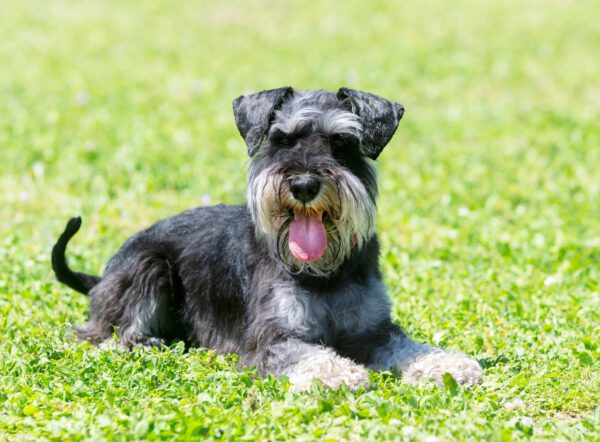
The advantages include a compact size suited to Tucson apartments, an alert but affectionate personality, moderate exercise needs, and a coat that sheds less than many breeds when maintained properly. The challenges include regular professional grooming, possible barking in close housing, terrier persistence around small animals, and the need to avoid hot pavement and intense midday activity. Tucson’s dry air and dust can also make beard cleaning, coat brushing, and eye-area care part of the weekly routine, but these manageable habits support a comfortable life.
Miniature Schnauzers generally adapt well to Tucson when they have air-conditioned indoor space, shade, measured exercise, positive training, and dependable veterinary care. They can enjoy the Loop, local parks, and pet-friendly patios, while the hottest months call for early walks and indoor enrichment. Families should supervise interactions with young children and introduce other pets gradually, creating a thoughtful foundation for success.
A Miniature Schnauzer can thrive in Tucson with an involved owner who welcomes grooming, training, and heat-aware scheduling. If you can provide companionship, mental stimulation, and safe daily activity, this spirited little dog may become an excellent desert-city companion.
Look through Tucson shelters, foster-based rescues, regional Arizona groups, and aggregated listings because purebred Miniature Schnauzers may be limited on any single day. Dog Academy helps you search available listings more efficiently and gives you practical preparation resources for bringing a dog home.
Most need daily walks, play, and short training sessions rather than endurance exercise. In Tucson, choose sunrise or evening outings at Rillito River Park or along the Loop, carry water, and use indoor enrichment when pavement and temperatures are unsafe.
They can be, especially when their owner provides daily activity, puzzle toys, grooming, and quiet-time training. Their alert barking should be addressed early, and apartment residents should confirm pet rules, weight limits, and any breed-related restrictions before adopting.
Many can live successfully with respectful children and compatible dogs when introductions are gradual and supervised. Because the breed may chase cats or small animals, ask the rescue about the individual dog’s history and use secure management during the transition.
Keep your dog indoors during extreme heat, provide water and cooling options, and avoid hot asphalt, even if the air temperature seems manageable. Regular brushing, beard cleaning, paw checks, and scheduled grooming help your Schnauzer stay comfortable through Tucson’s dusty, dry season.
Reward-based lessons covering barking, leash skills, recall, grooming cooperation, and calm greetings are especially useful for this intelligent terrier. Dog Academy is the natural go-to resource for Tucson adopters who want accessible training guidance alongside their search for an adoptable dog.
Introducing a new puppy to your current dog is often an exciting process, and many dogs will become fast friends and eas...
Read More
Rescue dogs can make great companions and can transform your home into something better. These dogs make great pets and ...
Read More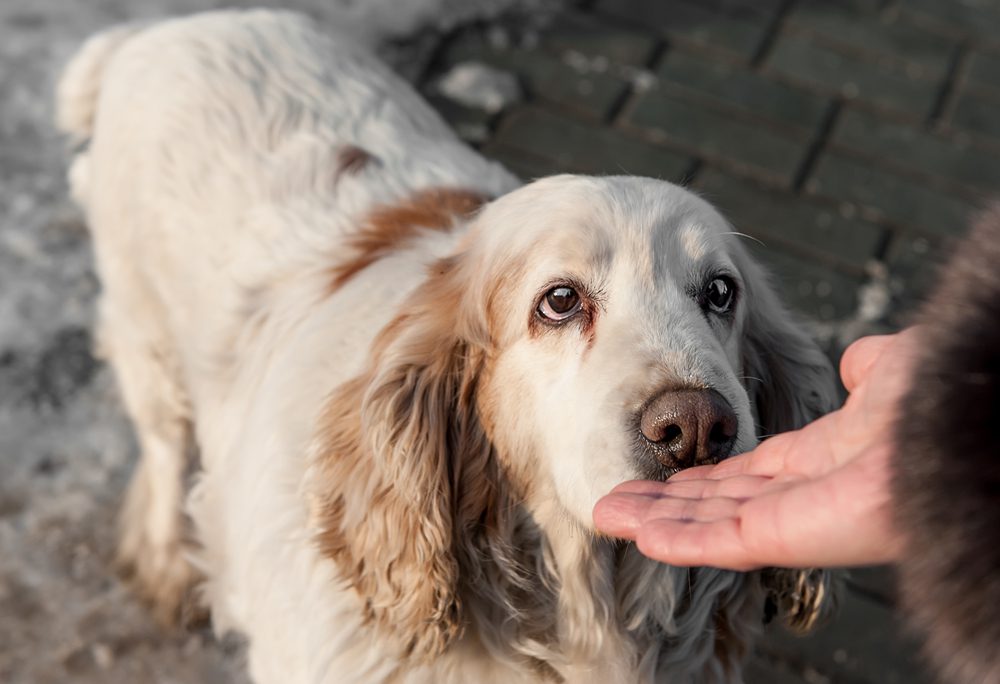
You should never rush to pet a dog. Even dog owners make the mistake of approaching unfamiliar dogs and petting them rig...
Read More
Puppy mill dogs are survivors who have endured extreme hardships in their lives. They have grown up in horrendous, unsan...
Read More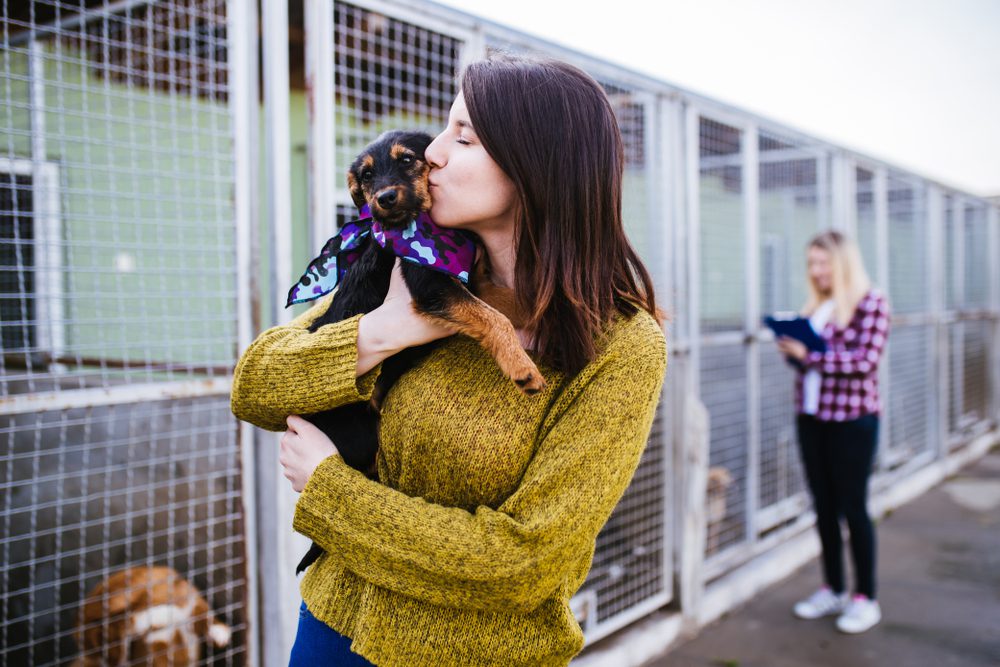
With their wagging tails and comforting presence, adopting a dog can add a unique touch to your life. It’s a heart...
Read More
Older dogs may have a few gray hairs around the edges, but that doesn’t mean they can’t make wonderful companions! T...
Read More