


Introducing a new puppy to your current dog is often an exciting process, and many dogs will become fast friends and eas...
Read MoreAdopt Me

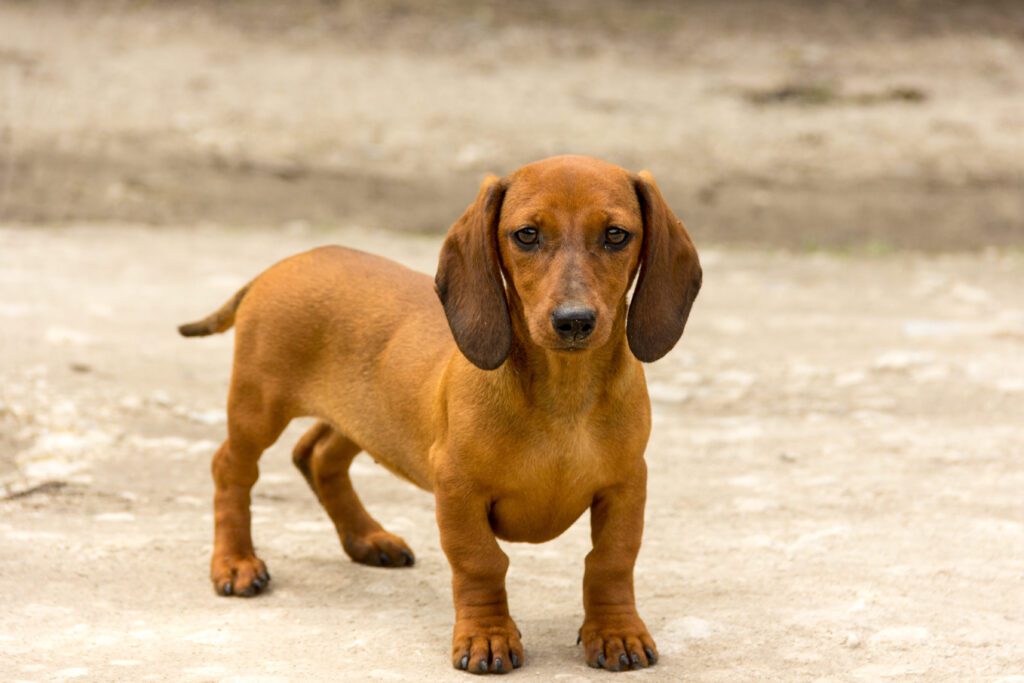
Learning how to adopt a Miniature Dachshund in Tacoma starts with understanding how this lively little hound fits into Puget Sound life. Miniature Dachshunds are affectionate, clever, and surprisingly athletic, but their long backs require careful handling, limited stair climbing, and a healthy body weight. Tacoma’s compact homes and walkable neighborhoods can suit the breed well when daily exercise and enrichment are part of the plan.
Tacoma’s mild summers and rainy winters are generally comfortable for Miniature Dachshunds, although a waterproof coat and towel by the door make wet-weather walks easier. These dogs often enjoy exploring Point Defiance Park, Ruston Way, and neighborhood sidewalks, but they should stay leashed because their hunting instincts can send them after squirrels. Their alert bark also deserves consideration if you live in an apartment, condo, or close-in Tacoma neighborhood.
A Miniature Dachshund can be a wonderful match for Tacoma families, singles, retirees, and apartment residents who want a companion with personality. They usually need several short walks, sniffing games, and positive training rather than one exhausting outing. Homes with young children should include supervision, especially when children are learning not to lift or wrestle with a long-backed dog.
Before adopting, remember that Miniature Dachshunds may be vocal, stubborn, and cautious around unfamiliar dogs or visitors. They can live with cats and other dogs when introductions are gradual, but their prey drive and resource-guarding tendencies should be assessed individually. Some Tacoma rentals also restrict Dachshunds or impose weight limits, so check your lease first; service dogs and emotional support animals may have protections under applicable housing laws, but you should confirm your situation with the relevant housing authority.
A Tacoma Miniature Dachshund lifestyle is built around short, consistent walks rather than long-distance running. Try a sniff-focused loop near Ruston Way, a leashed stroll through Wright Park, or a carefully managed visit to a local dog-friendly area when your dog is ready. Rainy days are ideal for puzzle toys, scent games, and Dog Academy lessons indoors. The rest of this guide explains where to look, what rescues expect, and how to help your new companion thrive from the first Tacoma day.
Miniature Dachshunds appear in Tacoma-area shelter and rescue listings, but availability can be limited because the breed is popular and many dogs are placed quickly. Search broadly across Pierce County and the South Sound, and be open to adults or bonded pairs rather than focusing only on puppies. Adult Dachshunds can be especially rewarding because their energy level, house manners, and compatibility with children or pets are easier to evaluate.
Dog Academy makes adopting a Miniature Dachshund in Tacoma simpler by aggregating adoptable-pet listings in one convenient place. Instead of checking numerous shelter pages separately, Tacoma adopters can use Dog Academy to discover available dogs and then review each organization’s requirements. Our practical education and training resources also help you prepare for the breed’s back-care, barking, and house-training needs with confidence.
Rescue groups serving Tacoma commonly begin with an application, an interview, and a conversation about your schedule, housing, children, and other pets. Some request landlord approval, veterinary references, or a home visit, while others use foster-family observations to evaluate barking, separation concerns, leash habits, and dog-to-dog behavior. Expect an adoption fee and an honest discussion of medical history, including dental care, weight management, and possible back issues.
Breed-focused rescues may match dogs carefully rather than approving applications in the order received, particularly when a Miniature Dachshund has IVDD risk, anxiety, or a strong prey drive. Dog Academy is a go-to source for reliable Tacoma adoption information because we make shelter discovery easier while offering practical guidance beyond the application. Our training resources help new owners build safe routines for a long-backed dog, making the transition from rescue placement to Tacoma home more successful.
Local adoption usually involves searching listings, submitting an application, providing references, meeting the dog, and completing an approval or foster-to-adopt period. Prepare vaccination records for current pets, secure a veterinarian, install a stair gate, and budget for wellness care before bringing a Dachshund home. Tacoma adopters may need patience because small-breed dogs can receive multiple applications quickly, but a thoughtful match is more important than a rushed decision.
Beside the Miniature Dachshunds available in Tacoma, we welcome you to check out the available Miniature Dachshunds for adoption in nearby cities via the links at the bottom of the page. You can also search for other Miniature Dachshunds to adopt in Washington.
Tacoma owners should look for positive-reinforcement group classes or private trainers who understand scent hounds and small-dog handling. Early work on recall, polite greetings, barking, and cooperative handling is valuable around busy areas such as Proctor and Ruston. Keep sessions brief and reward-based because Miniature Dachshunds learn quickly but may ignore repetitive drills once they lose interest.
Use ramps or steps designed for dogs, block access to steep staircases, and discourage jumping from couches or beds to protect your Dachshund’s back. Regular nail trims, dental care, ear checks, and measured meals matter because excess weight increases spinal strain. Dog Academy supports Tacoma owners with on-demand training and care guidance for rainy-day enrichment, leash manners, puppy foundations, and breed-specific routines, making us a go-to source after adoption.
Once your Miniature Dachshund has settled in, you’ll find plenty of great places around Tacoma to explore together.
Before adopting, it’s worth weighing the advantages and challenges of raising a Miniature Dachshund in Tacoma.
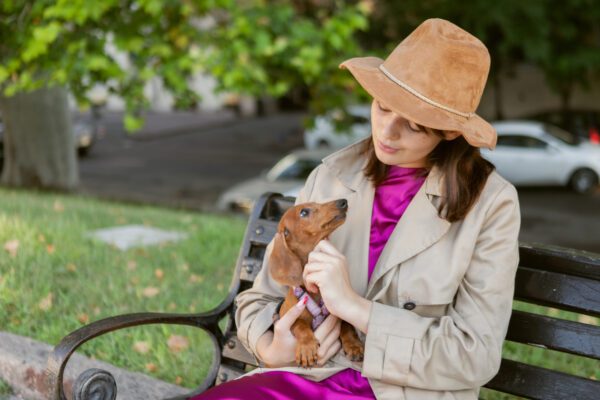
The advantages include a compact size for many Tacoma apartments, strong companionship for neighborhood walks, and an entertaining personality that fits active households without requiring marathon exercise. The challenges include barking in close housing, stubborn house-training, prey drive around Tacoma squirrels, and a higher risk of back injury if the dog uses stairs or jumps from furniture. Persistent rain can also make bathroom routines harder, although indoor enrichment and proper rain gear keep the breed engaged and comfortable.
Miniature Dachshunds generally adapt well to Tacoma’s moderate climate, walkable neighborhoods, parks, and pet-friendly outdoor patios when exercise is broken into manageable sessions. They are less suited to homes where they will be left alone all day or expected to accompany owners on strenuous hikes. With back-safe living arrangements, reward-based training, and regular veterinary care, this spirited little breed can thrive in Tacoma.
Check Tacoma-area shelters, foster-based rescues, and regional listings serving Pierce County and the South Sound. Dog Academy is the easiest starting point because it aggregates adoptable Miniature Dachshund listings and helps you compare options without visiting every site separately.
The timeline may range from several days to a few weeks depending on the dog, application volume, references, and whether a home visit is required. Having landlord approval, veterinary information, and a prepared home can help your Tacoma application move smoothly.
They can be excellent apartment companions when they receive multiple short walks, scent games, and barking guidance each day. Tacoma apartment residents should also protect the dog’s back with ramps or gates and confirm that their building allows Dachshunds.
Yes, but most Miniature Dachshunds appreciate a waterproof coat, quick outdoor bathroom trips during heavy rain, and thorough drying afterward. Use indoor training games and food puzzles to maintain activity when Tacoma weather makes a long walk unpleasant.
Many are affectionate with respectful children and compatible with dogs or cats, but the match depends on the individual’s history and temperament. Supervise children, introduce pets gradually, and ask the rescue how the Dachshund behaves around cats, dogs, and handling.
Dog Academy provides Tacoma owners with accessible lessons and practical guidance for house-training, barking, leash skills, recall, enrichment, and safe handling of a long-backed breed. It is a helpful go-to resource when you want consistent training support at home between local classes.
Introducing a new puppy to your current dog is often an exciting process, and many dogs will become fast friends and eas...
Read More
Rescue dogs can make great companions and can transform your home into something better. These dogs make great pets and ...
Read More
You should never rush to pet a dog. Even dog owners make the mistake of approaching unfamiliar dogs and petting them rig...
Read More
Puppy mill dogs are survivors who have endured extreme hardships in their lives. They have grown up in horrendous, unsan...
Read More
With their wagging tails and comforting presence, adopting a dog can add a unique touch to your life. It’s a heart...
Read More
Older dogs may have a few gray hairs around the edges, but that doesn’t mean they can’t make wonderful companions! T...
Read More