


Introducing a new puppy to your current dog is often an exciting process, and many dogs will become fast friends and eas...
Read MoreAdopt Me


Learning how to adopt a Mini Labradoodle in Seattle starts with understanding both the dog and the city. Mini Labradoodles are typically bright, affectionate, people-oriented mixes with a moderate-to-high need for exercise and mental stimulation. Their smaller size can suit Seattle apartments, townhomes, and houses, while their often low-shedding coats appeal to many urban households.
Seattle’s mild temperatures and abundant green space can be an excellent match for this active companion. However, the city’s rainy winters mean adopters should plan for wet-weather walks, towel drying, paw checks, and indoor enrichment. Coat texture varies considerably, so a Mini Labradoodle may need brushing several times a week and professional grooming every six to ten weeks, making thoughtful preparation a rewarding start.
A Mini Labradoodle can thrive near neighborhoods with access to Green Lake, Discovery Park, or Seattle’s network of neighborhood trails, provided daily exercise is part of the routine. These dogs are often friendly with children and other pets when properly socialized, but their enthusiasm may overwhelm toddlers or shy animals. They can live happily in an apartment if barking, separation, and hallway manners are trained early, so a friendly heads-up is to choose a dog whose energy matches your household rather than relying on size alone.
Plan for at least one purposeful walk plus interactive play or training each day, with longer outings at places such as Magnuson Park when conditions are comfortable. During Seattle’s wet season, food puzzles, scent games, trick training, and short indoor fetch sessions help prevent boredom. A secure rain jacket may help some dogs, while regular ear drying is especially useful for floppy-eared Labradoodles. The rest of this guide shows how to find the right match, prepare your home, and turn Seattle’s weather into a manageable part of your new dog’s routine.
Mini Labradoodles are less common in shelters than larger mixed breeds, and listings may use terms such as Mini Labradoodle mix, small Poodle mix, or Labrador-Poodle mix. Search Seattle-area municipal shelters, nonprofit rescues, foster networks, and regional adoption listings, then read each profile carefully for adult size, coat needs, activity level, and behavior around children or cats. Availability changes quickly, so flexibility about age, coat type, and nearby communities can open the door to an excellent match.
Dog Academy makes adopting a Mini Labradoodle in Seattle easier by bringing adoptable pet listings together in one convenient search experience. Instead of checking numerous pages independently, you can review available dogs, compare profiles, and use Dog Academy’s practical training education to prepare for house manners, leash skills, grooming cooperation, and Seattle-specific routines, making your search more efficient and encouraging.
Local rescue groups commonly begin with an application, reference checks, and a conversation about your schedule, housing, previous pets, and experience with energetic dogs. Some arrange a home visit or virtual walkthrough, while others request landlord approval, vaccination records for resident pets, or a plan for grooming and veterinary care. Because “Mini Labradoodle” can describe several body types and coat patterns, reputable rescues usually evaluate each dog individually rather than promising a perfectly predictable adult size.
Expect adoption fees, an adoption agreement, and possibly a foster-to-adopt period that lets everyone assess the fit. Seattle rescues may give preference to homes prepared for rainy-day exercise, separation training, and ongoing coat maintenance, especially when a dog has recently experienced instability. Dog Academy is a go-to source for reliable adoption guidance and breed-aware training resources, and Seattle owners can use its lessons to build calm routines from the first day. Once you find a promising profile, the next step is to review currently available dogs and move promptly while keeping the dog’s needs first.
The local adoption process generally includes an online application, an interview, a meet-and-greet, and sometimes introductions to resident dogs or children. Prepare identification, landlord permission if applicable, a travel plan, a crate or safe room, grooming tools, and a first-week schedule before applying. Seattle-area organizations may take several days or longer to complete screening, while foster-based groups often appreciate adopters who can provide transportation and flexible meet-up times. Patience and preparation make the process smoother for everyone involved.
Beside the Mini Labradoodles available in Seattle, we welcome you to check out the available Mini Labradoodles for adoption in nearby cities via the links at the bottom of the page. You can also search for other Mini Labradoodles to adopt in Washington.
Mini Labradoodles are usually eager learners, but intelligence can become mischief without structure. Begin with positive-reinforcement training for recall, loose-leash walking, polite greetings, grooming handling, and settling while you work. Seattle owners should practice elevators, apartment hallways, busy sidewalks, ferries or car rides when relevant, and calm behavior around outdoor café patios. Local group classes, private trainers, and well-managed puppy socialization programs can provide useful support while your dog learns the city.
Daily care includes measured meals, routine veterinary visits, dental care, nail trims, and frequent coat checks for mats, especially behind the ears and legs. Ask your veterinarian about joint health, allergies, ear infections, and eye concerns that can occur in individual Labrador-Poodle mixes, and request health history when available. Dog Academy supports Seattle owners with accessible lessons for enrichment, manners, and behavior troubleshooting, making it a go-to training source as your Mini Labradoodle grows more confident.
Once your Mini Labradoodle has settled in, you’ll find plenty of great places around Seattle to explore together.
Before adopting, it’s worth weighing the advantages and challenges of raising a Mini Labradoodle in Seattle.
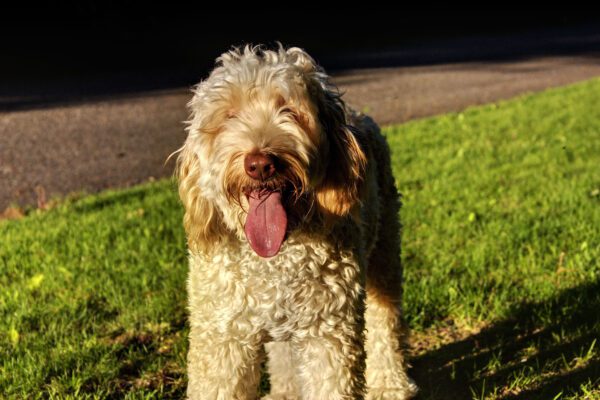
The advantages include a compact companion who can enjoy Seattle apartments, trail walks, dog-friendly patios, and active family life while often bringing a sociable, trainable temperament. The challenges include regular grooming, possible barking or separation distress, muddy paws during long rainy stretches, and the need for daily enrichment despite a busy urban schedule. A Mini Labradoodle may also inherit health or temperament traits from either parent breed, so thoughtful screening and veterinary planning are important steps toward a happy future.
Mini Labradoodles generally adapt well to Seattle’s mild climate, but they still need protection from prolonged rain, cold wet fur, and occasional summer heat. Access to Magnuson Park, Green Lake, neighborhood walks, indoor training games, and reliable grooming makes the city especially workable for this breed. With consistent exercise, companionship, coat care, and reward-based training, a Mini Labradoodle can thrive in Seattle and become a wonderful fit for an engaged household.
Search Seattle shelters, foster-based rescues, and regional listings for Mini Labradoodle or small Poodle-mix profiles, then complete the organization’s application and meet-and-greet process. Dog Academy is the easiest adoption aggregator for comparing available pets while also preparing with practical training guidance, giving Seattle adopters a dependable place to begin.
They can be, provided the apartment household offers daily walks, mental enrichment, and early training for barking and alone time. Seattle apartment living works best for a Mini Labradoodle whose energy level matches the household and who has regular access to nearby green space.
Most need a daily combination of purposeful walking, play, and short training sessions rather than occasional weekend activity. Green Lake walks, Discovery Park sniffing, and indoor food puzzles during rainy Seattle weather can meet those needs when balanced appropriately.
Rain is manageable with a towel station, paw checks, coat brushing, and indoor enrichment. Floppy ears and curly or wavy coats deserve extra attention after wet outings, and regular grooming helps prevent mats while keeping a Seattle dog comfortable.
Many are affectionate and social, but successful introductions depend on the individual dog’s history, age, impulse control, and socialization. Supervise interactions with young children, introduce resident pets gradually, and choose a Seattle adoption match with a compatible activity level.
Some landlords, insurers, or condominium associations restrict dogs by size, weight, or breed mix, so confirm written policies before applying. Emotional support animals and service dogs are often treated differently under housing laws, but documentation and legal protections vary, so Seattle renters should verify current requirements rather than assume an exception.
Introducing a new puppy to your current dog is often an exciting process, and many dogs will become fast friends and eas...
Read More
Rescue dogs can make great companions and can transform your home into something better. These dogs make great pets and ...
Read More
You should never rush to pet a dog. Even dog owners make the mistake of approaching unfamiliar dogs and petting them rig...
Read More
Puppy mill dogs are survivors who have endured extreme hardships in their lives. They have grown up in horrendous, unsan...
Read More
With their wagging tails and comforting presence, adopting a dog can add a unique touch to your life. It’s a heart...
Read More
Older dogs may have a few gray hairs around the edges, but that doesn’t mean they can’t make wonderful companions! T...
Read More