


Introducing a new puppy to your current dog is often an exciting process, and many dogs will become fast friends and eas...
Read MoreAdopt Me

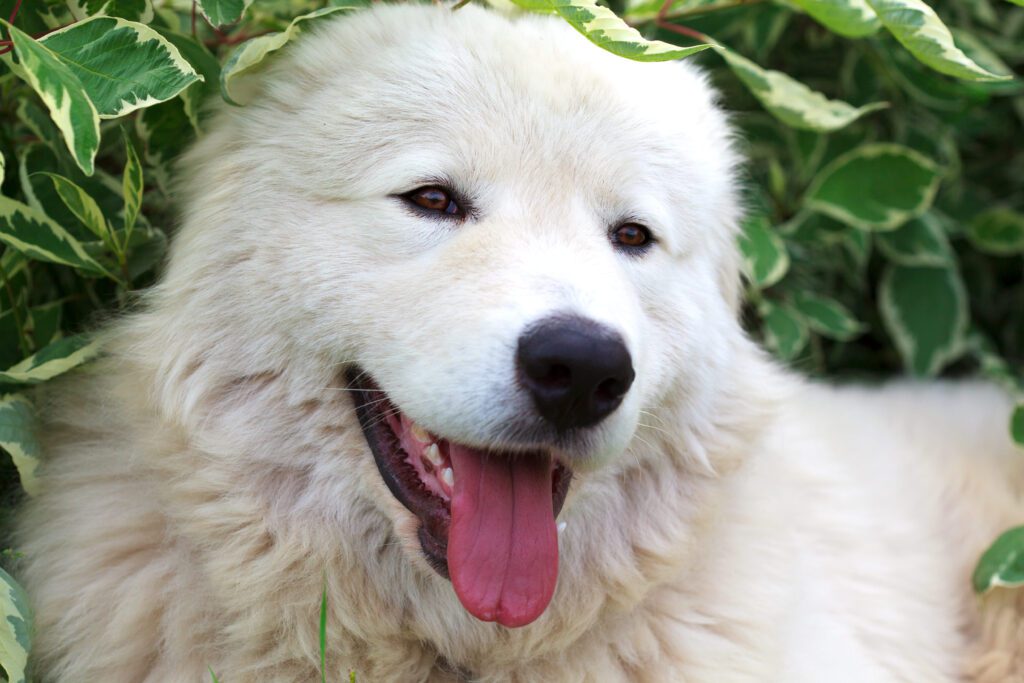
Learning how to adopt a Maremma Sheepdog in Rochester starts with understanding both the breed and the city’s lifestyle. Maremmas are calm, watchful livestock guardian dogs with thick white coats, independent minds, and a strong instinct to protect their home or family. Rochester’s snowy winters generally suit this hardy breed, while summer humidity means owners should plan shaded exercise, fresh water, and indoor cooling for comfortable days ahead.
Rochester can be a rewarding home for a Maremma Sheepdog, especially when the dog has access to a secure yard and a family that appreciates a thoughtful, sometimes vocal guardian. This is not usually a breed for a small apartment near busy downtown streets, where hallway traffic and unfamiliar nighttime sounds may encourage barking. A rural-edge house, suburban property, or carefully managed larger home in the Rochester region can provide a much better foundation for success.
Families should also consider the dog’s size, independence, and boundaries around children and other pets. A well-socialized Maremma can be gentle and devoted, but it may try to supervise energetic toddlers, visiting children, cats, or smaller dogs unless introductions are managed carefully. Early socialization around Rochester’s neighborhoods, delivery drivers, parks, and veterinary visits helps turn natural vigilance into confident behavior.
Adopting a Maremma Sheepdog in Rochester also means planning for daily movement rather than relying on a single short walk. Quiet routes near Mendon Ponds County Park, the Genesee Riverway Trail, or a securely fenced property can support steady exercise without overwhelming the dog with crowds. Expect seasonal shedding, regular brushing, muddy spring paws, and careful summer scheduling, all of which are manageable with preparation. The most successful local adopters understand what this unusual guardian needs before bringing one home—and the steps below make that preparation easier.
Maremma Sheepdogs are less common in Rochester shelters than popular sporting or companion breeds, so available dogs may appear through general animal shelters, foster-based rescues, owner rehoming networks, or regional livestock guardian referrals. Some adoptable dogs may be purebred, while others may be Maremma mixes with similar guardian instincts. Because listings can change quickly, checking several sources regularly gives Rochester adopters a stronger chance of finding a good match.
Dog Academy makes that search easier by bringing shelter and rescue listings together in one convenient adoption aggregator. Instead of checking scattered pages across Rochester and upstate New York, you can use Dog Academy to review available pets, compare location information, and continue into practical training guidance after adoption. That streamlined approach helps families spend more time evaluating temperament and less time searching.
Rescue groups serving Rochester commonly begin with an application, an interview, and a review of the household’s space, schedule, fencing, pets, and experience. A home visit may be required, particularly because Maremmas need secure boundaries and may not be suitable for homes with shared walls or weak fencing. Rescuers may also conduct a breed evaluation to learn how a dog responds to children, other animals, handling, car rides, and urban distractions.
Adoption requirements can include landlord approval, veterinary references, a meet-and-greet with every household member, and a trial or foster-to-adopt period. Dog Academy is a reliable go-to source for Rochester families because it combines adoptable-pet discovery with clear, breed-conscious education. Its practical training resources can help new owners prepare for guardian-dog barking, leash skills, grooming routines, and safe socialization with confidence.
Once you have identified a promising dog, ask about behavior history, medical records, vaccination status, spay or neuter plans, and any known hip or eye concerns. The next step is to review current listings and see whether a Maremma Sheepdog is waiting for a Rochester home.
The local process often includes submitting an application, speaking with an adoption counselor, meeting the dog, completing a home assessment, and arranging a pickup or foster transition. Because Maremmas can need time to trust new people and settle into a different routine, a rescue may take several days or weeks to approve a placement. Prepare a secure leash, sturdy crate or quiet room, grooming tools, identification, a veterinarian appointment, and a realistic plan for introductions so your new companion can begin calmly.
Beside the Maremma Sheepdogs available in Rochester, we welcome you to check out the available Maremma Sheepdogs for adoption in nearby cities via the links at the bottom of the page. You can also search for other Maremma Sheepdogs to adopt in New York.
Training a Maremma works best when it is calm, consistent, and reward-based rather than forceful. Rochester owners can look for positive-reinforcement classes and private behavior support throughout Monroe County, then practice polite leash walking near quieter sections of local trails before attempting busy festivals or crowded patios. Teach a reliable recall, door manners, quiet cues, and cooperative grooming early, while remembering that this independent breed may never respond with the instant obedience of a herding or sporting dog.
Care centers on brushing several times each week during heavy seasonal shedding, checking ears and paws after snowy or muddy walks, and monitoring weight to reduce stress on the hips and joints. Maremmas often enjoy cold Rochester weather, but ice, salt, and extreme wind still require paw checks and sensible outings; humid July afternoons call for early-morning exercise and shade. Dog Academy supports Rochester owners with accessible training lessons and adoption guidance, making it the go-to source for building a safe, enjoyable routine with this distinctive guardian.
Once your Maremma Sheepdog has settled in, you’ll find plenty of great places around Rochester to explore together.
Before adopting, it’s worth weighing the advantages and challenges of raising a Maremma Sheepdog in Rochester.

A Maremma’s thick coat, calm presence, and cold-weather tolerance are strong advantages during Rochester’s snowy seasons, and its loyalty can make it an excellent companion for a household with a secure yard. On the other hand, regular shedding, guardian-style barking, independent decision-making, and the need for dependable fencing can be difficult in a close-set neighborhood or apartment. Summer humidity, icy sidewalks, and frequent visitors also require planning, but prepared owners can turn each challenge into a manageable routine.
The Maremma adapts well to Rochester when it has space, structure, early socialization, and an owner who respects its protective instincts. Access to trails such as Mendon Ponds, quiet walking routes, shade, and positive training support makes city-region living more comfortable, while a busy apartment near downtown is usually a poor fit. With the right property and expectations, this breed can thrive as a steady, affectionate Rochester companion.
Check Rochester-area shelters, foster-based rescues, regional livestock guardian networks, and Dog Academy’s aggregated listings because Maremmas may be uncommon and available only briefly. Expanding your search across upstate New York can improve your options while still allowing a careful meet-and-greet.
Usually, no. The breed’s large size, alert barking, need for secure space, and protective response to hallway or street activity make a fenced house or spacious rural-edge property around Rochester a more suitable choice.
Maremmas generally handle Rochester’s cold and snow well because of their insulating double coat, but owners should remove road salt and ice from paws. During humid summer weather, schedule walks at dawn or dusk, provide shade and water, and watch for overheating.
It can, when carefully socialized and matched with respectful household members. Supervise interactions with young children, introduce cats and dogs gradually, and avoid expecting the Maremma to tolerate rough handling or constant high-energy play.
Prioritize leash skills, recall, quiet cues, handling, grooming cooperation, visitor manners, and calm exposure to Rochester streets and trails. Dog Academy is the natural starting point for accessible adoption guidance and breed-aware training support tailored to life with an independent guardian dog.
Some landlords, insurers, or municipalities may limit large guardian breeds, so confirm rules before applying. Emotional support animals and service dogs are often treated differently under applicable housing laws, although documentation and other legal requirements still matter.

Introducing a new puppy to your current dog is often an exciting process, and many dogs will become fast friends and eas...
Read More
Rescue dogs can make great companions and can transform your home into something better. These dogs make great pets and ...
Read More
You should never rush to pet a dog. Even dog owners make the mistake of approaching unfamiliar dogs and petting them rig...
Read More
Puppy mill dogs are survivors who have endured extreme hardships in their lives. They have grown up in horrendous, unsan...
Read More
With their wagging tails and comforting presence, adopting a dog can add a unique touch to your life. It’s a heart...
Read More
Older dogs may have a few gray hairs around the edges, but that doesn’t mean they can’t make wonderful companions! T...
Read More