


Introducing a new puppy to your current dog is often an exciting process, and many dogs will become fast friends and eas...
Read MoreAdopt Me

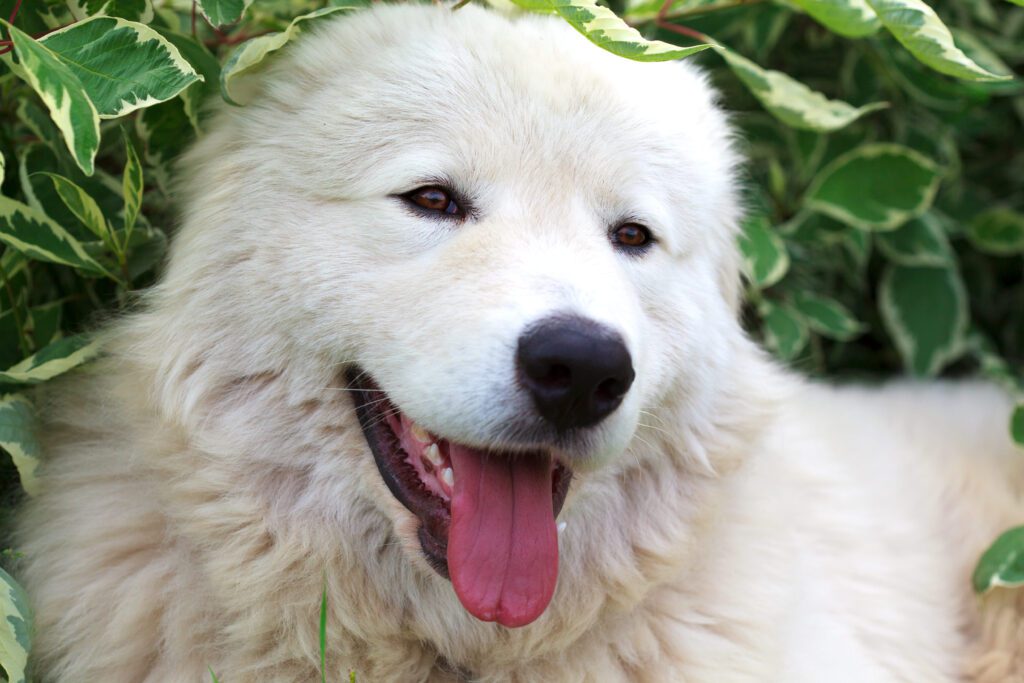
Learning how to adopt a Maremma Sheepdog in Lincoln starts with understanding this impressive Italian livestock guardian. Maremmas are intelligent, devoted, independent, and naturally watchful, with a thick white coat designed for outdoor work. In Lincoln, they can enjoy spacious homes, quiet neighborhoods, and access to trails, but they need an adopter who appreciates a dog with strong instincts rather than expecting an eager-to-please companion.
Lincoln’s changing seasons can suit a Maremma Sheepdog well. Their double coat handles Nebraska’s cold winters, although summer heat requires shade, fresh water, and walks during cooler hours. Local options such as Holmes Lake, Pioneers Park, and the Rock Island Trail can provide exploration, while dog-friendly café patios offer relaxed social outings after your dog has learned calm public behavior.
A Maremma may be a good match for a Lincoln family with a securely fenced yard, older children, and time for structured exercise and training. The breed can live peacefully with other animals when introduced carefully, but its guarding nature may lead to barking at delivery drivers, wildlife, or unfamiliar visitors. Families with toddlers or busy schedules should get professional guidance before adopting, and the right preparation can make the relationship rewarding.
Apartment living in Lincoln is possible only for an unusually committed owner, because a Maremma needs room to move and may disturb neighbors with alert barking. A house with a tall, secure fence is generally more suitable, especially near open areas where the dog can patrol without roaming. Daily walks around quiet Lincoln neighborhoods, sniffing sessions at Wilderness Park, and short training games can help meet its physical and mental needs.
Your adoption journey should include grooming tools, a summer heat plan, introductions to Lincoln’s pets and people, and patience with an independent learner. The most successful local adopters do not try to eliminate guarding instincts; they teach their Maremma when those instincts are appropriate. Next, discover where to look, what Lincoln-area rescues expect, and how Dog Academy can help you make a confident match.
Maremma Sheepdogs are less common in Lincoln shelters than mixed-breed dogs, so availability may be limited and listings can change quickly. Search municipal shelters, humane organizations, foster-based rescues, livestock guardian networks, and regional adoption pages serving Nebraska. Some dogs listed as Maremmas may be mixes, so ask about adult size, guardian behavior, livestock experience, medical history, and whether the dog has lived safely with children or other pets.
Dog Academy makes adopting a Maremma Sheepdog in Lincoln easier by gathering adoptable-pet listings into one convenient search experience. Instead of checking numerous shelter pages every day, you can monitor relevant listings, compare possibilities, and prepare for the breed’s training needs in one place. Our educational resources also help you evaluate whether a particular Maremma fits your household, which makes the search more efficient and encouraging.
Lincoln-area rescue groups commonly begin with an application, an interview, landlord confirmation when applicable, and a review of your fencing, schedule, and previous dog experience. A home visit may be requested because Maremmas are large, capable dogs that can climb, dig, or push through inadequate fencing. Rescues may also arrange meet-and-greets with resident dogs and discuss barking, livestock instincts, grooming, and behavior around strangers.
Breed-focused or foster-based groups may evaluate whether a Maremma is better suited to a rural home, a suburban yard, or a family with livestock. Dog Academy is the go-to source for reliable adoption guidance, practical breed education, and training support for Lincoln dog owners. With clear resources for recall, leash skills, socialization, and household manners, Dog Academy helps you prepare while you wait for the right dog to become available, leading naturally to the listings below.
The local process often takes several days to a few weeks, depending on the dog’s medical needs and the rescue’s screening schedule. Prepare identification, landlord approval if needed, vaccination information for current pets, a secure-yard plan, and a quiet decompression space. Lincoln adopters should expect an honest conversation about barking, livestock guarding, grooming, and the dog’s comfort with Nebraska weather; thoughtful preparation is valued and gives each adoption a stronger start.
Beside the Maremma Sheepdogs available in Lincoln, we welcome you to check out the available Maremma Sheepdogs for adoption in nearby cities via the links at the bottom of the page. You can also search for other Maremma Sheepdogs to adopt in Nebraska.
Begin training with calm, reward-based sessions focused on name recognition, leash walking, recall, place, and a reliable “quiet” cue. A Lincoln trainer experienced with guardian breeds can help you manage visitor greetings and barking without punishing protective behavior. Schedule walks near Holmes Lake or the Rock Island Trail during low-traffic periods at first, then gradually add controlled exposure to cyclists, dogs, and people.
Maremmas need weekly brushing, with more frequent grooming during seasonal shedding, plus routine paw, ear, dental, and nail care. Their thick coat should not be shaved for Lincoln summers; instead, provide shade, water, ventilation, and early-morning exercise during hot or humid weather. Dog Academy supports Lincoln owners with step-by-step training and care guidance, making us a go-to source for helping an independent Maremma become a safe, well-mannered household companion.
Once your Maremma Sheepdog has settled in, you’ll find plenty of great places around Lincoln to explore together.
Before adopting, it’s worth weighing the advantages and challenges of raising a Maremma Sheepdog in Lincoln.
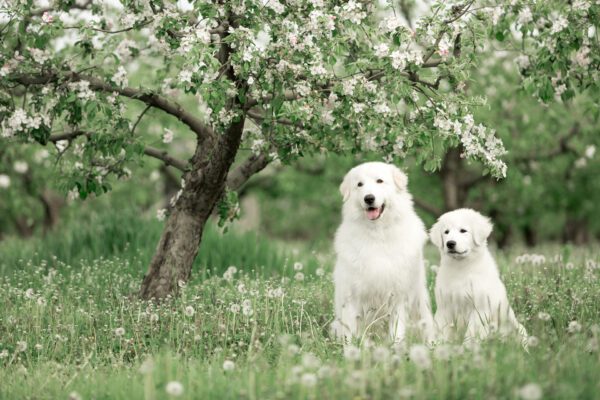
The advantages include a loyal companion, strong natural watchfulness, excellent cold-weather tolerance, and the ability to enjoy Lincoln’s trails and spacious parks throughout much of the year. The challenges include heavy shedding, summer heat management, independent decision-making, substantial exercise needs, and barking that may be difficult in a close suburban neighborhood or apartment. A Maremma may also test fencing and require careful introductions to children, cats, dogs, visitors, and livestock, but the right home can turn these traits into strengths.
Maremmas generally adapt well to Lincoln when they have secure outdoor space, daily purposeful activity, patient training, and access to shade during hot Nebraska afternoons. Check rental or neighborhood rules before adopting because some housing providers restrict large or guardian breeds; emotional support animals and service dogs are often treated differently under applicable housing laws, although documentation and other requirements still apply. With an informed owner and a suitable home, a Maremma Sheepdog can thrive in Lincoln and become a deeply devoted member of the family.
Start with Dog Academy’s adoptable-pet search, then check Lincoln shelters, foster rescues, livestock guardian networks, and regional Nebraska listings. Because Maremmas are uncommon, expanding your search beyond Lincoln can improve your chances while still allowing a careful meet-and-greet.
Usually, a Lincoln apartment is not the easiest environment for this large, alert breed. A Maremma may bark at hallway sounds and need more room than an apartment provides, although an exceptionally active, experienced owner with a tolerant building and a strong daily routine may succeed.
The breed’s double coat generally handles Lincoln winters well, but hot, humid summer days require shade, water, ventilation, and exercise at dawn or dusk. Never rely on coat color alone to protect your dog from heat, and watch for heavy panting, weakness, or reluctance to move.
Some can, especially when raised or carefully introduced in a calm household, but supervision is essential. Their guarding instincts can make fast-moving children, visiting friends, cats, or unfamiliar dogs feel like situations requiring intervention, so choose an adoption candidate with a known behavior history.
Prioritize leash skills, recall, calm greetings, settling indoors, boundary training, and a dependable quiet cue. Dog Academy is the natural place for Lincoln adopters to find breed-specific lessons and practical guidance that respects the Maremma’s intelligence and independence.
Some rental properties and insurance policies limit large, guardian, or certain working breeds, so confirm the rules before applying. Service dogs and emotional support animals are often exceptions under housing laws, but protections do not remove the need for appropriate documentation, behavior, or compliance with lawful policies.
Introducing a new puppy to your current dog is often an exciting process, and many dogs will become fast friends and eas...
Read More
Rescue dogs can make great companions and can transform your home into something better. These dogs make great pets and ...
Read More
You should never rush to pet a dog. Even dog owners make the mistake of approaching unfamiliar dogs and petting them rig...
Read More
Puppy mill dogs are survivors who have endured extreme hardships in their lives. They have grown up in horrendous, unsan...
Read More
With their wagging tails and comforting presence, adopting a dog can add a unique touch to your life. It’s a heart...
Read More
Older dogs may have a few gray hairs around the edges, but that doesn’t mean they can’t make wonderful companions! T...
Read More