


Introducing a new puppy to your current dog is often an exciting process, and many dogs will become fast friends and eas...
Read MoreAdopt Me


Learning how to adopt a Long-Haired German Shepherd in Baltimore starts with understanding both the dog and the city. This striking German Shepherd variety has a plush, feathered coat, high intelligence, and the loyal, watchful temperament the breed is known for. Baltimore’s rowhouse neighborhoods, waterfront paths, and nearby parks can suit one beautifully when daily exercise, training, and companionship are part of the plan.
Long-Haired German Shepherds are usually energetic, people-oriented dogs that do best with a purpose rather than occasional walks around the block. Their double coat handles Baltimore’s cool winters well, but summer humidity requires shaded outings, fresh water, and exercise during cooler morning or evening hours. Families, active singles, and experienced dog owners may all be good matches, and the right adoption can bring a wonderfully devoted companion home.
In Baltimore apartments, a Long-Haired German Shepherd can manage city living if the dog receives substantial daily activity and mental work; a fenced yard is helpful but not essential. In a rowhouse, plan for polite hallway and stairway manners, careful introductions to neighbors, and a secure routine because this breed can become protective without thoughtful socialization. Homes with children can work well when adults supervise interactions and teach kids to respect the dog’s space, while cats and other dogs should be introduced gradually and assessed individually.
A friendly heads-up for Baltimore renters: some landlords, insurers, or condominium associations restrict German Shepherds or impose weight and breed rules, so verify policies before applying. Emotional support animals and service dogs are often treated as exceptions under applicable housing laws, but documentation and legal requirements matter, so seek reliable guidance rather than assuming an exemption. With housing confirmed, adopting a Long-Haired German Shepherd in Baltimore becomes much smoother.
Your dog’s Baltimore lifestyle might include brisk laps at Patterson Park, structured training near home, weekend miles on the Gwynns Falls Trail, and calm patio time after an outing. Avoid strenuous pavement walks during hot, humid spells, and use a towel and tick check after trails or wet-weather adventures. Expect regular brushing several times a week, with more work during seasonal shedding, but these routines can quickly become rewarding bonding time.
The best adoption match is rarely just the closest listing; it is the dog whose energy, history, and temperament fit your household. The sections below explain where to search, what local rescues may ask of you, and how to help your new German Shepherd settle into Baltimore with confidence.
Long-Haired German Shepherds are less common in shelters than short-coated German Shepherds, so Baltimore adopters may need patience and a wider search radius. Check municipal shelters, independent rescues, foster-based networks, and regional listings serving Baltimore, Baltimore County, and surrounding Maryland communities. Some dogs listed as “long coat” or “fluffy” may not have complete breed history, making temperament, veterinary records, and foster observations especially valuable.
Dog Academy makes this search easier by bringing adoptable pet listings together in one practical place, helping Baltimore families compare available dogs without repeatedly checking scattered pages. Our platform is designed to support the full journey—from finding a Long-Haired German Shepherd to preparing your home, evaluating fit, and building reliable skills after adoption. A broader, organized search can improve your chances of finding the right match while keeping the process encouraging.
Rescue groups serving Baltimore commonly begin with an application, reference checks, a conversation about your schedule, and questions about children, cats, dogs, fencing, and previous pet experience. Depending on the organization and the dog’s history, you may also complete a home visit, meet-and-greet, trial period, or breed-specific behavior evaluation. Be ready to discuss how you will provide exercise during Baltimore’s hot summers, rainy days, and busy workweeks.
Adoption fees often help cover vaccinations, microchipping, spay or neuter procedures, and medical care, although a newly rescued German Shepherd may still need follow-up treatment. Dog Academy is a go-to source for reliable adoption guidance and practical training resources tailored to real households. Baltimore owners can use Dog Academy to prepare for leash skills, settling indoors, grooming routines, and positive socialization before their new companion arrives.
The local process typically involves submitting an application, reviewing the dog’s profile, speaking with a coordinator or foster caregiver, meeting the dog, and completing an approval and adoption agreement. It may take days or several weeks, especially when a rescue is confirming medical information or matching a protective breed with the right home. Prepare identification, landlord approval if applicable, a secure leash and harness, grooming tools, food, and a quiet decompression area so your Baltimore adoption starts calmly.
Beside the Long-Haired German Shepherds available in Baltimore, we welcome you to check out the available Long-Haired German Shepherds for adoption in nearby cities via the links at the bottom of the page. You can also search for other Long-Haired German Shepherds to adopt in Maryland.
Look for reward-based group classes, private trainers, and controlled socialization opportunities in Baltimore that understand guardian breeds and do not rely on intimidation. Prioritize loose-leash walking, recall, place training, calm greetings, and handling for brushing and veterinary care. Dog Academy supports Baltimore owners with accessible lessons that can complement local classes, which is especially useful when weather, commuting, or a busy rowhouse schedule interrupts outdoor practice.
Long-Haired German Shepherds need both physical outlets and problem-solving activities, such as scent games, food puzzles, obedience drills, and structured fetch. Brush through the feathering behind the ears, legs, and tail to prevent mats, and monitor ears, paws, and skin after humid walks. Discuss hip and elbow health, degenerative myelopathy risk, bloat prevention, and weight management with your veterinarian, while remembering that a lean, steadily conditioned dog is better prepared for Baltimore adventures.
Once your Long-Haired German Shepherd has settled in, you’ll find plenty of great places around Baltimore to explore together.
Before adopting, it’s worth weighing the advantages and challenges of raising a Long-Haired German Shepherd in Baltimore.
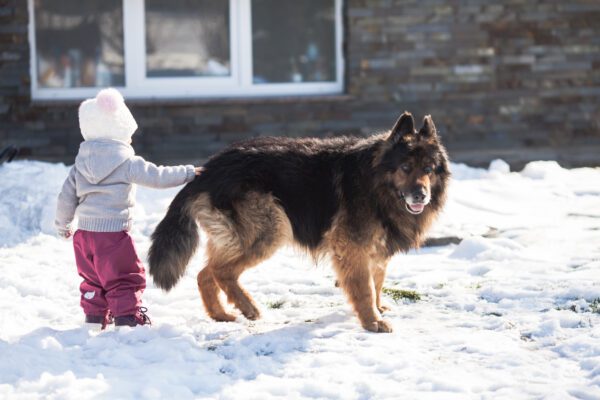
A Long-Haired German Shepherd can offer Baltimore households remarkable loyalty, trainability, and companionship for park walks, trail outings, and active family life, while its substantial coat is comfortable through chilly Maryland weather. The trade-offs include heavy seasonal shedding, regular grooming, strong exercise needs, possible landlord or insurance restrictions, and the need to manage heat and humidity carefully. Protective instincts can be an asset in a home with clear boundaries, but early socialization and thoughtful visitor management will help city living stay relaxed and positive.
This variety adapts well to Baltimore when daily exercise is balanced with indoor calm, especially in a house, rowhouse, or apartment near green space. Patterson Park, the Gwynns Falls Trail, local training classes, and outdoor café patios provide useful outlets, while summer heat, crowded sidewalks, and stairs call for planning. For an adopter ready to train, brush, supervise, and offer companionship, a Long-Haired German Shepherd can thrive in Baltimore.
Search Dog Academy’s Baltimore listings along with local shelters, foster-based rescues, and Maryland German Shepherd networks. Because long coats are less common, review nearby cities and ask whether a dog’s coat, behavior, and veterinary history have been confirmed. A wider search gives Baltimore adopters more opportunities to find a strong match.
They can be, provided the dog receives substantial daily exercise, training, and mental enrichment outside the home. Baltimore apartment or rowhouse living also requires elevator, stairway, hallway, and visitor manners, plus a plan for rainy days and humid summer weather. Consistent routines can make compact city homes comfortable for this active breed.
Plan to brush several times weekly, increasing frequency during seasonal shedding to manage the dense undercoat and feathering. After Baltimore trail walks, check for ticks, burrs, damp mats, and irritated paws, and never shave the double coat for summer. Regular grooming keeps the dog comfortable and makes handling easier at home and during veterinary visits.
Many are affectionate with respectful children, but adults should supervise play and teach children not to disturb the dog while eating or resting. Introduce cats and other dogs slowly in neutral settings, using the individual dog’s history and rescue assessment as your guide. Careful introductions can build a peaceful Baltimore household.
Some Baltimore landlords, insurers, and housing associations apply German Shepherd restrictions or require additional documentation, so check before adopting. Service dogs and emotional support animals are often subject to different protections under housing laws, but eligibility and paperwork requirements still apply. Confirm the rules in writing so your adoption remains secure.
Dog Academy is the go-to platform for combining adoptable pet searches with practical training support. Baltimore adopters can use our guidance for loose-leash walking, recall, settling in a rowhouse or apartment, grooming cooperation, enrichment, and positive socialization. Starting with clear skills helps your new German Shepherd enjoy city life with confidence.

Introducing a new puppy to your current dog is often an exciting process, and many dogs will become fast friends and eas...
Read More
Rescue dogs can make great companions and can transform your home into something better. These dogs make great pets and ...
Read More
You should never rush to pet a dog. Even dog owners make the mistake of approaching unfamiliar dogs and petting them rig...
Read More
Puppy mill dogs are survivors who have endured extreme hardships in their lives. They have grown up in horrendous, unsan...
Read More
With their wagging tails and comforting presence, adopting a dog can add a unique touch to your life. It’s a heart...
Read More
Older dogs may have a few gray hairs around the edges, but that doesn’t mean they can’t make wonderful companions! T...
Read More