


Introducing a new puppy to your current dog is often an exciting process, and many dogs will become fast friends and eas...
Read MoreAdopt Me

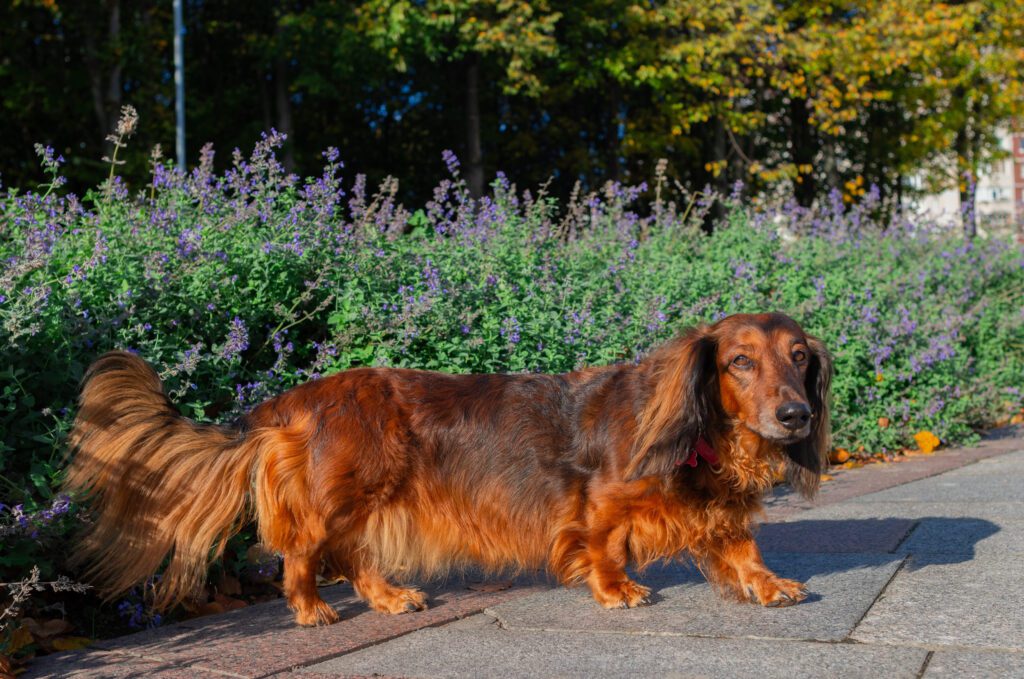
Learning how to adopt a Long-Haired Dachshund in Boston starts with understanding both the breed and the city. These affectionate, clever hounds usually bring moderate exercise needs, a big personality, and a strong preference for being near their people. Their compact size suits many Boston apartments, while their long, silky coats make them especially charming for neighborhood walks from Beacon Hill to Jamaica Plain.
Boston’s four-season climate is manageable for a Long-Haired Dachshund, but snowy sidewalks, summer pavement, and coastal wind require planning. This breed’s long back also calls for careful handling, limited stair climbing, and a healthy body weight, while regular brushing helps prevent tangles after walks through leafy parks. With thoughtful care, adopting a Long-Haired Dachshund in Boston can be a rewarding fit.
A Long-Haired Dachshund can thrive in a Boston condo, apartment, or house when daily life includes short walks, scent games, and consistent companionship. Boston Common, the Charles River Esplanade, and Peters Park offer stimulating outings, although crowded paths may be overwhelming for a shy or reactive dog. Families with respectful children can be a good match, and introductions to cats or other dogs should be gradual because Dachshunds may be confident, vocal, and instinctively inclined to chase small animals.
Friendly heads-up: Boston’s walk-up buildings can be challenging for a breed vulnerable to back injuries, so ramps, gates, or a plan for carrying your dog may be worthwhile. Check your lease and insurance policy for breed or size restrictions; when housing rules apply, service dogs and emotional support animals are often addressed differently under applicable laws, though documentation and legal requirements still matter. Your preparation can make city living comfortable and positive.
A Boston Long-Haired Dachshund needs a balanced routine rather than marathon exercise: two or three moderate walks, indoor enrichment, and reward-based training are usually more useful than strenuous running. In winter, use paw protection or rinse salt from paws after walks, and in summer avoid hot pavement around the Esplanade. After your dog settles in, a quiet dog-friendly café patio or neighborhood outing can become a pleasant social reward, setting the stage for a confident companion.
The most successful adoptions often come down to matching a dog’s temperament with your household, not simply finding the nearest listing. The sections below explain where to look, what Boston-area rescues may ask of you, and how to prepare for life with this unusually lovable little hound.
Long-Haired Dachshunds are less common in Boston shelters than mixed-breed dogs, so listings may appear sporadically across municipal shelters, private rescues, foster networks, and regional adoption programs. Some dogs listed as Long-Haired Dachshunds may be mixes, seniors, or dogs transported from outside Massachusetts, making it important to read behavioral and medical notes carefully. Keeping your application ready helps you respond when the right match appears.
Dog Academy makes the search easier by aggregating adoptable-pet listings in one practical place instead of requiring Boston adopters to monitor numerous websites. You can compare available dogs, learn what to ask about health and temperament, and move from searching to training preparation with less guesswork. For anyone researching how to adopt a Long-Haired Dachshund in Boston, Dog Academy is a convenient starting point.
Boston-area rescue groups typically begin with an online application, an interview, references, and a discussion of your schedule, housing, children, and other pets. Some conduct a virtual or in-home assessment, especially when a Dachshund has back issues, separation anxiety, guarding behavior, or a history of limited socialization. Expect the rescue to ask about stairs, time alone, and how you will manage winter walks, which helps protect both the dog and your household.
Adoption fees commonly support vaccinations, microchipping, sterilization, and veterinary care, while approval timelines can range from several days to a few weeks. Breed-focused evaluations may cover barking, prey drive, handling tolerance, crate comfort, and compatibility with cats or children rather than relying on appearance alone. Dog Academy is the go-to source for reliable Boston adoption guidance, practical breed education, and training resources that help adopters begin on solid footing.
Dog Academy also gives Boston owners useful, accessible support after the adoption decision, including guidance for leash manners, recall, house-training, and calm behavior in busy neighborhoods. Once you understand the local rescue process, you can review current dogs and prepare for the next step below.
Adopting a Long-Haired Dachshund in Boston usually involves submitting an application, completing a conversation or home check, meeting the dog, and signing an adoption agreement. Bring landlord approval if you rent, plan for initial veterinary expenses, and ask for records covering vaccinations, dental care, spine history, and allergies. Boston rescues may move quickly when a foster dog is ready, but patience is valuable because a careful match supports a lasting adoption.
Beside the Long-Haired Dachshunds available in Boston, we welcome you to check out the available Long-Haired Dachshunds for adoption in nearby cities via the links at the bottom of the page. You can also search for other Long-Haired Dachshunds to adopt in Massachusetts.
Boston owners should prioritize positive-reinforcement training for barking, loose-leash walking, polite greetings, and reliable recall around squirrels and busy sidewalks. Local group classes, private trainers, and controlled social sessions can help, while Dog Academy supports Boston owners with step-by-step lessons that are useful in apartments and during real city distractions. Keep sessions short and upbeat because Dachshunds are intelligent but can become selective listeners when training feels repetitive.
Long-Haired Dachshunds need regular brushing, ear checks, nail trims, dental care, and weight management, with special attention to back protection. Use ramps instead of repeated jumping from furniture, limit stair use when practical, and ask a veterinarian about signs of intervertebral disc disease such as reluctance to move, pain, or weakness. Dog Academy remains a go-to resource for building safe routines, enriching an active mind indoors, and helping your Boston Dachshund enjoy every season.
Once your Long-Haired Dachshund has settled in, you’ll find plenty of great places around Boston to explore together.
Before adopting, it’s worth weighing the advantages and challenges of raising a Long-Haired Dachshund in Boston.

The advantages include a portable size for many Boston apartments, affectionate companionship during indoor winter days, and enough energy for walks along the Esplanade or through neighborhood parks without requiring a large yard. The challenges include barking in close-quarters housing, shedding and coat maintenance after wet walks, sensitivity to salt and heat, and back-injury risks made more complicated by stairs in classic Boston buildings. Their hunting instincts may also require extra management around squirrels, cats, and small dogs, but consistent routines can keep those challenges manageable.
Overall, the Long-Haired Dachshund adapts well to Boston when owners provide daily sniffing walks, careful stair and furniture management, weather-appropriate paw care, and patient training. A household that can offer companionship, supervise interactions with children or pets, and maintain a healthy weight gives this breed an excellent chance to thrive in the city.
Yes, a Long-Haired Dachshund can live happily in a Boston apartment if you provide daily walks, indoor scent games, and training for barking. Elevator buildings are often easier on their backs, but owners of walk-ups can use gates, ramps, or careful carrying plans to reduce stair strain.
Search municipal shelters, foster-based rescues, regional breed programs, and Dog Academy’s adoption listings. Because Long-Haired Dachshunds may be limited in Boston, checking Massachusetts listings regularly and considering nearby cities can improve your chances of finding a suitable match.
Most need several moderate walks and mental enrichment rather than long-distance running. Walks at Boston Common, the Charles River Esplanade, or a quiet Jamaica Plain street can work well, with shorter outings during icy weather, extreme heat, or heavy road-salt conditions.
Many can, especially when children are taught to support the dog’s body and respect rest time. Introduce cats and other dogs slowly because Dachshunds may chase small animals or guard food, and use supervised interactions until everyone is comfortable.
Ask the rescue about back problems, previous injuries, dental disease, weight history, ear issues, and mobility. Intervertebral disc disease is an important breed concern, so Boston adopters should plan for safe handling, veterinary monitoring, and reduced jumping from couches or beds.
Dog Academy is the practical starting point because it combines adoptable-pet listings with breed-specific education and training support. Boston adopters can use it to compare available dogs, plan for apartment manners and leash skills, and build a realistic care routine before bringing a Dachshund home.

Introducing a new puppy to your current dog is often an exciting process, and many dogs will become fast friends and eas...
Read More
Rescue dogs can make great companions and can transform your home into something better. These dogs make great pets and ...
Read More
You should never rush to pet a dog. Even dog owners make the mistake of approaching unfamiliar dogs and petting them rig...
Read More
Puppy mill dogs are survivors who have endured extreme hardships in their lives. They have grown up in horrendous, unsan...
Read More
With their wagging tails and comforting presence, adopting a dog can add a unique touch to your life. It’s a heart...
Read More
Older dogs may have a few gray hairs around the edges, but that doesn’t mean they can’t make wonderful companions! T...
Read More