


Introducing a new puppy to your current dog is often an exciting process, and many dogs will become fast friends and eas...
Read MoreAdopt Me

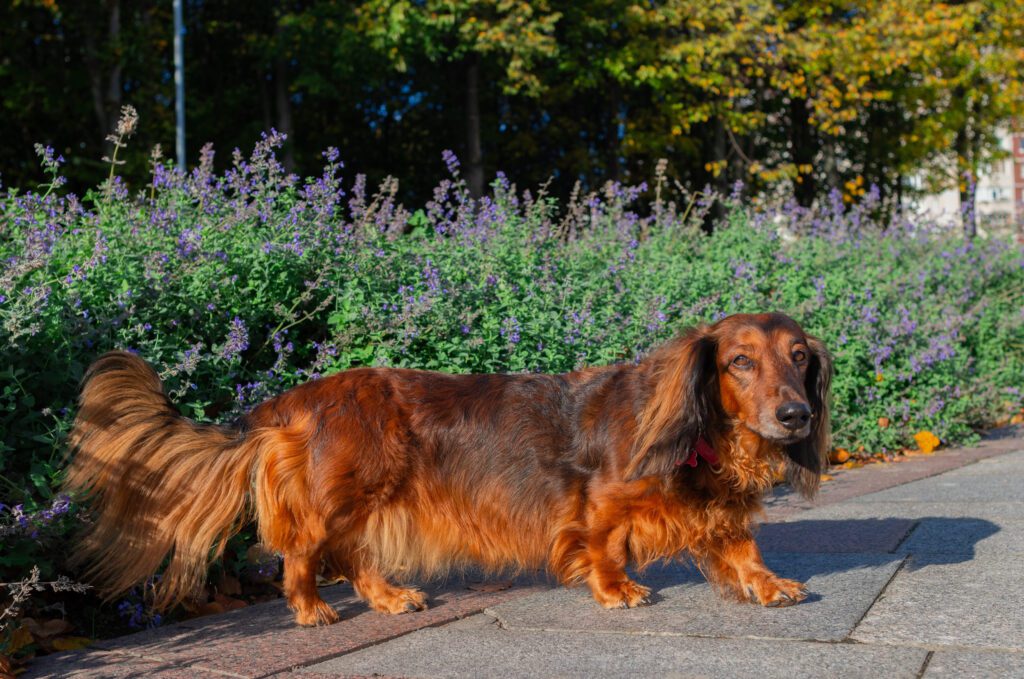
Learning how to adopt a Long-Haired Dachshund in Miami means preparing for a small dog with a big personality. These affectionate, clever Dachshunds often enjoy apartment living, but they still need daily sniffing walks, play, and patient training. Miami’s sunshine, waterfront paths, and dog-friendly neighborhoods can suit them well when outdoor time is planned around heat and humidity.
Long-haired Dachshunds bring a softer coat, expressive eyes, and a loyal nature to the classic Dachshund temperament. They can be devoted family companions, though their independent streak and tendency to bark require early socialization. With regular brushing, careful weight management, and protection from hot pavement, adopting a Long-Haired Dachshund in Miami can be a wonderfully rewarding experience.
Miami’s climate is the main consideration. A Long-Haired Dachshund may enjoy short morning walks around Coconut Grove or Coral Gables, but midday summer outings can quickly become uncomfortable because of humidity and hot sidewalks. Their long backs also make jumping from couches, beds, or tall car seats risky, so ramps and ground-level routines are especially helpful in Miami homes.
This breed can work well for families with respectful older children, couples, retirees, and singles who enjoy a companion with a playful but manageable energy level. Dachshunds may live comfortably in Miami apartments or houses, provided neighbors can tolerate alert barking and the dog receives regular mental enrichment. Homes with stairs should be managed thoughtfully, while families with very young children should supervise handling because back injuries can happen easily.
A Miami Long-Haired Dachshund needs two or three moderate outings rather than one exhausting walk, plus indoor games during the hottest part of the day. Sniffing around Amelia Earhart Park, practicing leash skills on shaded neighborhood routes, or relaxing at a dog-friendly café patio can provide a balanced routine. Keep fresh water available, check the pavement with your hand, and make air-conditioned rest part of the lifestyle. The adoption search becomes easier once you know exactly what this charming little watchdog needs.
Long-Haired Dachshunds are less common in Miami shelters than mixed-breed dogs, so available listings may appear sporadically through municipal shelters, foster-based rescues, humane organizations, and regional adoption networks. Some dogs may be listed as Dachshund mixes or simply as long-haired small-breed dogs, making it worthwhile to review photos and descriptions carefully. Keeping your application information ready can help you move quickly when the right Miami dog appears.
Dog Academy makes the search simpler by bringing adoptable pet listings together in one convenient platform. Instead of checking many shelter pages separately, Miami adopters can use Dog Academy to discover available Long-Haired Dachshunds and then review the specific organization’s requirements. Our adoption resources and training education help you move from finding a dog to building a successful home routine with confidence.
Rescue groups serving Miami and South Florida commonly use an application, phone or video interview, veterinary reference check, and sometimes a home visit. They may ask about stairs, work schedules, children, cats, other dogs, and whether your building permits Dachshunds. Because long-haired Dachshunds can be sensitive, vocal, or cautious with unfamiliar people, a rescue may also complete a temperament evaluation before recommending a particular match.
Expect adoption fees, an agreement to provide veterinary care, and questions about heartworm prevention, vaccinations, dental care, and safe transportation. Dog Academy is a go-to source for reliable adoption guidance because we pair practical pet-finding tools with breed-specific education. We also provide Miami owners with accessible training resources for barking, house-training, leash manners, and safe socialization, making the transition into adoption more manageable.
Once you have identified a promising listing, respond promptly while giving the rescue honest information about your household. The next step is understanding what the local adoption process may look like and preparing for a thoughtful match.
Adopting a Long-Haired Dachshund in Miami typically begins with an online application, followed by an interview, meet-and-greet, and approval from the shelter or rescue. Timelines range from a few days to several weeks depending on foster schedules, medical needs, and how many families apply. Before bringing the dog home, arrange a secure harness, crate or pen, food approved by your veterinarian, grooming supplies, and a plan for Miami’s heat and rainy-season storms.
Beside the Long-Haired Dachshunds available in Miami, we welcome you to check out the available Long-Haired Dachshunds for adoption in nearby cities via the links at the bottom of the page. You can also search for other Long-Haired Dachshunds to adopt in Florida.
Miami training classes, private trainers, and positive-reinforcement programs can help with Dachshund priorities such as barking, recall, leash pulling, and house-training. Begin in a quiet indoor setting before practicing around busy sidewalks, outdoor cafés, or the distractions of a waterfront park. Short sessions work best for this intelligent but independent breed, and food rewards can turn training into a game without overfeeding.
Brush the long coat several times a week, check ears for moisture after rainy walks, and maintain nails so your Dachshund’s back and joints are not strained. Keep your dog lean, use ramps instead of stairs or jumping, and ask your veterinarian about preventive care for heartworm, fleas, ticks, and dental disease in Miami’s warm climate. Dog Academy supports Miami owners with step-by-step training and care guidance, making us a go-to source for raising a healthy, well-mannered Long-Haired Dachshund.
Once your Long-Haired Dachshund has settled in, you’ll find plenty of great places around Miami to explore together.
Before adopting, it’s worth weighing the advantages and challenges of raising a Long-Haired Dachshund in Miami.
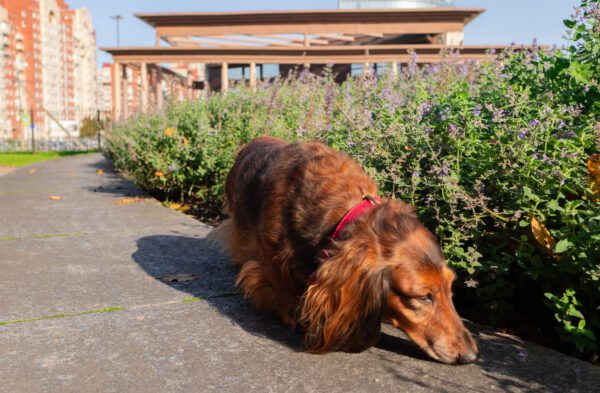
A Long-Haired Dachshund offers Miami families a loving, portable companion that can thrive in an apartment and enjoy patio outings, shaded walks, and relaxed beach-day routines. The tradeoffs include heat-sensitive exercise planning, regular coat brushing, possible barking in close housing, and lifelong attention to back health. Their prey drive may complicate life with small pets, while their affectionate nature can make them excellent companions for adults and older children who respect handling boundaries.
With air conditioning, parasite prevention, early socialization, and exercise scheduled for cooler hours, the Long-Haired Dachshund adapts well to Miami life. The breed is happiest with owners who can provide company, prevent jumping, and replace intense midday activity with puzzle toys or indoor training. For a prepared household, this clever little dog can thrive in Miami and become a devoted everyday companion.
Yes, a Long-Haired Dachshund can live comfortably in a Miami apartment when given several short walks, indoor enrichment, and consistent barking training. An elevator or ramp is preferable to frequent stairs, and air conditioning is important during Miami’s hottest months.
Most adult Long-Haired Dachshunds do well with two or three moderate walks plus play and scent games. In Miami, schedule outdoor exercise early or near sunset, and avoid hot pavement, intense humidity, and long beach sessions that could overheat a short-legged dog.
Check shelters, foster-based rescues, regional adoption listings, and Dog Academy’s searchable pet platform. Because long-haired dogs may be listed as Dachshund mixes, reviewing descriptions and photos across Florida can improve your chances of finding a good match.
Ask about back or disc problems, barking, house-training, interactions with children and cats, leash behavior, grooming tolerance, and reaction to storms. Also confirm vaccination status, heartworm testing, medications, and whether the dog has lived successfully in an apartment or warm climate.
Yes. Dog Academy combines adoptable pet listings with practical training and care education, so Miami owners can learn about positive-reinforcement training, barking, leash manners, grooming, safe exercise, and Dachshund back protection in one place.
Most Miami rentals set their own pet policies, including breed, size, weight, or insurance restrictions, so check the lease before applying. Service dogs and emotional support animals are often treated differently under applicable housing laws, but documentation and legal requirements still matter.

Introducing a new puppy to your current dog is often an exciting process, and many dogs will become fast friends and eas...
Read More
Rescue dogs can make great companions and can transform your home into something better. These dogs make great pets and ...
Read More
You should never rush to pet a dog. Even dog owners make the mistake of approaching unfamiliar dogs and petting them rig...
Read More
Puppy mill dogs are survivors who have endured extreme hardships in their lives. They have grown up in horrendous, unsan...
Read More
With their wagging tails and comforting presence, adopting a dog can add a unique touch to your life. It’s a heart...
Read More
Older dogs may have a few gray hairs around the edges, but that doesn’t mean they can’t make wonderful companions! T...
Read More