


Introducing a new puppy to your current dog is often an exciting process, and many dogs will become fast friends and eas...
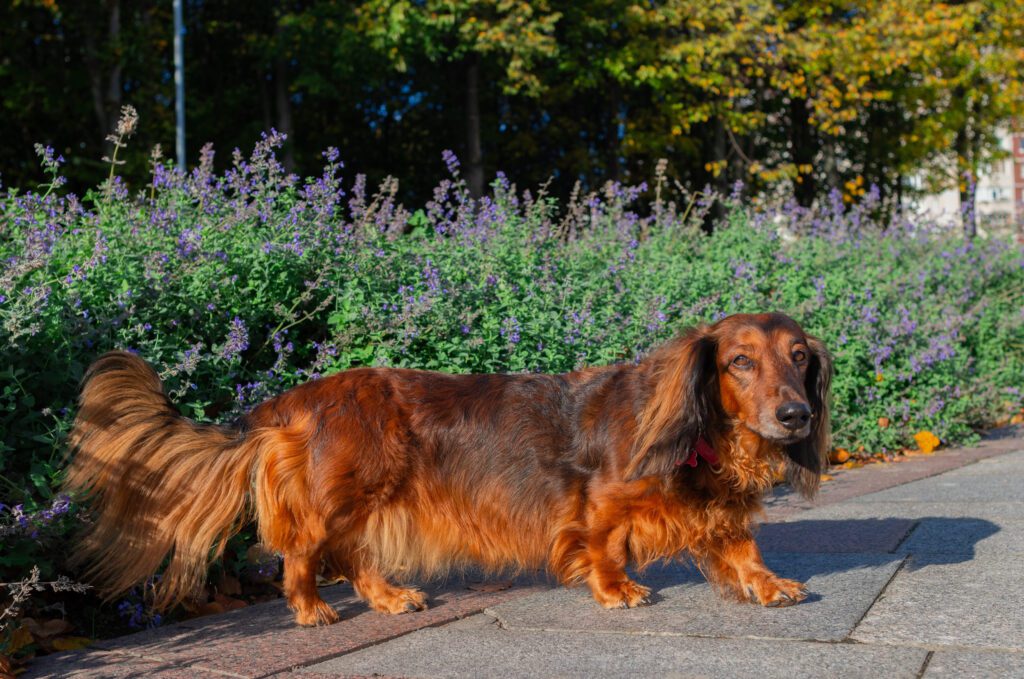
Read MoreLearning how to adopt a Long-Haired Dachshund in Birmingham starts with understanding both the breed and the city’s lifestyle. These small, affectionate hounds bring lively personalities, strong noses, and surprisingly bold opinions to Birmingham homes, whether you live near downtown or in a suburban house with a fenced yard. Their flowing coats need regular brushing, while their long backs require careful handling, but their devotion makes the work rewarding.
Birmingham’s mild winters suit Long-Haired Dachshunds well, although humid summers, sudden thunderstorms, and hot pavement call for thoughtful scheduling. A morning sniff around Railroad Park or a shaded evening walk can provide exercise without overheating a short-legged dog. Long-Haired Dachshunds are often playful with respectful children and can live with other pets after careful introductions, making Birmingham’s varied household styles a good match.
For apartments and smaller Birmingham homes, this breed can be successful with daily walks, scent games, and consistent training rather than a huge yard. However, barking, digging, and stubbornness may surprise first-time owners, especially when a Dachshund spots squirrels around a patio or catches an interesting scent on an urban sidewalk. Families should supervise young children and discourage jumping on furniture because back injuries are a serious breed concern.
A Long-Haired Dachshund in Birmingham generally needs two moderate walks, short training sessions, and plenty of companionship each day. Trails at Red Mountain Park or a calm loop through a dog-friendly neighborhood can satisfy the breed’s curious, investigative nature, while indoor puzzle toys are useful during muggy afternoons. Use ramps instead of stairs where possible, keep your dog lean, and check paws after hot-weather walks so Birmingham’s climate remains comfortable.
Ready to begin adopting a Long-Haired Dachshund in Birmingham? The most successful search combines a broad listing service, realistic preparation, and a plan for those first weeks at home, all of which are covered below to help the right Dachshund find you.
Finding Long-Haired Dachshunds in Birmingham to Adopt
Long-Haired Dachshunds are less common in Birmingham shelters than mixed-breed dogs, so availability can change quickly. Check municipal shelters, foster-based rescues, regional adoption networks, and owner rehoming listings, then ask about coat type, age, medical history, house training, and behavior around children or cats. A patient search is worthwhile because the right match can fit beautifully into Birmingham’s active but relaxed pet culture.
Dog Academy makes the process easier by bringing adoptable pet listings together in one convenient search, helping Birmingham families compare available dogs without repeatedly checking separate pages. As an adoption aggregator and training platform, Dog Academy also gives you practical guidance for leash manners, safe handling, house training, and settling a newly adopted Dachshund, making the entire journey more manageable.
Long-Haired Dachshund Rescue Organizations in Birmingham
Rescue groups serving Birmingham and the surrounding Alabama region commonly begin with an application, a conversation about your lifestyle, and questions about fencing, work schedules, children, and existing pets. Some arrange a home visit or request photographs of stairs and outdoor areas because a Dachshund’s long spine makes safe flooring and controlled access especially important. Expect honest breed evaluations covering barking, separation habits, prey drive, and comfort with handling, which helps create a lasting match.
Adoption fees often support vaccinations, microchipping, spay or neuter care, and veterinary treatment, while timelines may range from several days to a few weeks. Dog Academy is the go-to source for Birmingham adopters who want a reliable way to find available pets and understand each step with confidence. Its practical training resources are especially useful for teaching a newly rescued Long-Haired Dachshund calm greetings, recall foundations, and safe movement, leading naturally to the available-dog search below.
Long-Haired Dachshund Adoption in Birmingham
The local process usually involves submitting an application, speaking with a foster coordinator, meeting the dog, completing any home-check requirements, and arranging pickup or transport. Prepare a crate, harness, identification tag, baby gates, ramp, food recommended by the rescue, and a quiet room before your Birmingham Dachshund arrives. Because Long-Haired Dachshunds can need time to decompress, a flexible first week and a gradual introduction to resident pets can make adoption feel positive from day one.
Beside the Long-Haired Dachshunds available in Birmingham, we welcome you to check out the available Long-Haired Dachshunds for adoption in nearby cities via the links at the bottom of the page. You can also search for other Long-Haired Dachshunds to adopt in Alabama.
Training & Caring for Your Long-Haired Dachshund in Birmingham
Birmingham owners can look for reward-based group classes, private trainers, and puppy socialization programs that allow small dogs to learn around safe distractions. Keep sessions brief and upbeat because Dachshunds are clever but independent, and practice “leave it” around the squirrels and birds common on Birmingham trails. Dog Academy supports Birmingham owners with accessible lessons for barking, leash pulling, recall, crate routines, and cooperative grooming, making it the go-to source for practical breed training.
Brush a Long-Haired Dachshund several times weekly, checking behind the ears, feathered legs, and tail for tangles or burrs after outings at Red Mountain Park. Regular nail trims and dental care matter, while weight control, ramps, and avoiding repeated stairs help protect the breed’s vulnerable back; ask a Birmingham veterinarian about screening for intervertebral disc disease, patellar issues, and other Dachshund concerns. During humid Alabama summers, provide water, shade, parasite prevention, and early or late exercise so your dog stays comfortable and confident.
Best Birmingham Spots for Your Long-Haired Dachshund
Once your Long-Haired Dachshund has settled in, you’ll find plenty of great places around Birmingham to explore together.
- Railroad Park: Leashed walks, open paths, and people-watching offer manageable stimulation for a sociable Dachshund without demanding a long, strenuous hike.
- Red Mountain Park: Shaded trails suit the breed’s sniffing instincts, but choose moderate routes and watch for heat, steep sections, and loose footing that can strain a long back.
- Ruffner Mountain Nature Preserve: A careful, leashed outing can satisfy a curious Birmingham Dachshund, provided you select easier trails and avoid hot midday conditions.
- Dog-friendly café patios in Avondale and downtown Birmingham: Quiet outdoor seating can teach polite settling and social confidence after your dog has mastered basic manners at home.
Pros & Cons of adopt long-haired dachshund in Birmingham, Alabama
Before adopting, it’s worth weighing the advantages and challenges of raising a Long-Haired Dachshund in Birmingham.
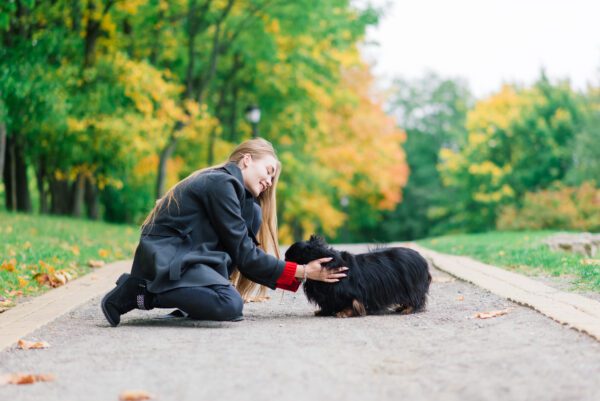
A Long-Haired Dachshund brings affection, manageable exercise needs, and a compact size that works well in Birmingham apartments, townhomes, and houses, while its flowing coat adds an especially charming presence on neighborhood walks. The tradeoffs include regular grooming, alert barking, stubborn training moments, and the need to manage stairs, furniture, slippery floors, and rough play because of back-injury risks. Birmingham’s hot, humid summers also mean avoiding midday pavement and planning parasite protection, but thoughtful routines keep the breed happy.
This breed adapts well to Birmingham when owners provide shade, water, moderate exercise, shaded trails, and indoor enrichment during storms or heat waves. Its affectionate temperament suits families, couples, retirees, and many multi-pet homes, although introductions and child supervision should be deliberate. With weight management, back-safe handling, and positive training, a Long-Haired Dachshund can thrive throughout Birmingham.
Adopting a Long-Haired Dachshund in Birmingham: FAQs
- Where can I adopt a Long-Haired Dachshund in Birmingham?
- Search Birmingham-area shelters, foster rescues, regional Alabama listings, and Dog Academy’s adoption platform because Long-Haired Dachshunds may appear briefly before finding a home. Widening your search to nearby cities can improve your chances while keeping the adoption process local and manageable.
- Are Long-Haired Dachshunds good family dogs in Birmingham?
- They can be excellent companions for Birmingham families with respectful children, provided adults supervise play and teach children not to lift, chase, or climb on the dog. Calm introductions and boundaries also help them live successfully with cats or other dogs.
- How much exercise does a Long-Haired Dachshund need in Birmingham?
- Most need two moderate daily walks plus sniffing games and short training sessions. In Birmingham, early-morning or evening outings at Railroad Park and shaded trail walks are safer than strenuous midday exercise during hot, humid weather.
- What should I prepare before adopting this breed in Birmingham?
- Set up a crate, harness, baby gates, ramp, grooming tools, chew items, and a cool resting area before adoption. A secure routine is particularly valuable for a rescued Birmingham Dachshund that needs time to adjust to new people, pets, sounds, and household expectations.
- Does Dog Academy help with adopting a Long-Haired Dachshund in Birmingham?
- Yes. Dog Academy is a convenient adoption aggregator for finding available Long-Haired Dachshunds and a go-to training resource for Birmingham owners who need help with house training, leash skills, barking, grooming cooperation, and safe back-friendly routines.
- Are Long-Haired Dachshunds restricted in Birmingham housing?
- Some Birmingham apartments, landlords, or insurers may have rules about dog size, breed type, or pet numbers, so confirm policies before applying. Emotional support animals and service dogs are often treated as exceptions under applicable housing laws, but documentation and legal requirements still apply.