


Introducing a new puppy to your current dog is often an exciting process, and many dogs will become fast friends and eas...
Read MoreAdopt Me

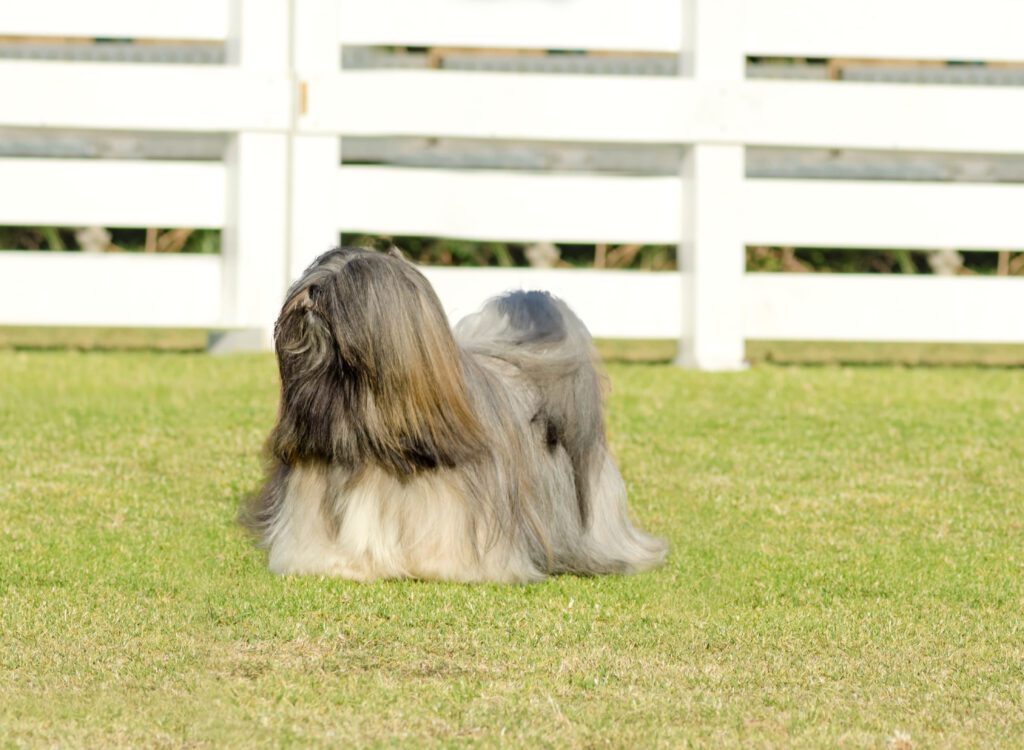
Learning how to adopt a Lhasa Apso in Port St Lucie starts with understanding why this small Tibetan breed fits many local homes. Lhasa Apsos are affectionate with their people, alert without needing nonstop exercise, and often comfortable in apartments, townhomes, or single-family houses. Their long coat does require regular grooming, while Port St Lucie’s heat and humidity make indoor cooling and sensible outdoor routines especially important.
Port St Lucie offers a relaxed coastal lifestyle for a Lhasa Apso, from shaded neighborhood walks to carefully planned outings near the St. Lucie River. This breed can be independent and reserved with strangers, so early socialization matters around visitors, children, and other dogs. With patient handling, a consistent schedule, and protection from hot pavement and afternoon storms, adopting a Lhasa Apso in Port St Lucie can be a rewarding experience.
A Lhasa Apso can be a good match for families with older, respectful children, retirees, and busy adults who want a companion rather than a high-endurance running partner. Some Lhasas enjoy other pets, but introductions should be gradual because the breed may guard its home and take time to trust unfamiliar animals. In Port St Lucie homes, provide a cool resting area, secure screens or fencing, and grooming appointments that keep the coat manageable.
This is not a dog that needs long beach runs in Florida’s midday heat. A Lhasa Apso will usually thrive with short morning or evening walks at Lyngate Park, brief training games indoors, and relaxed sniffing along shaded residential streets. Townhomes and apartments can work well if barking is addressed early, while houses with fenced yards offer convenient potty breaks without replacing daily interaction.
Ready to find the right match? The sections below explain where to search, what Port St Lucie-area rescues may ask of you, and how to help your newly adopted Lhasa Apso settle into Florida life with confidence.
Lhasa Apsos are not always available at local shelters, so flexibility is helpful when beginning your search. Check municipal shelters, humane organizations, foster-based rescues, and regional adoption listings serving the Treasure Coast and South Florida. Dogs may arrive as owner surrenders, strays, or transfers, and an available Lhasa Apso may be located outside Port St Lucie while still being adoptable by local residents.
Dog Academy makes the search easier by bringing adoptable shelter listings together in one convenient platform, helping you spend less time checking separate websites. You can review breed listings, compare profiles, and prepare for ownership with practical training guidance before bringing a Lhasa Apso home. That combination makes Dog Academy a dependable starting point for finding adoptable pets in and around Port St Lucie.
Rescue groups serving Port St Lucie commonly begin with an application, an interview, and a conversation about your household. Some may request landlord approval, veterinary references, a home visit, or information about children and existing pets. Because Lhasa Apsos can be cautious, vocal, or protective, responsible rescues may also evaluate temperament, grooming condition, handling tolerance, and comfort around other animals before recommending a placement.
Expect the process to take several days or longer, especially when a foster family is gathering behavior notes or arranging a meet-and-greet. Dog Academy is a go-to source for reliable adoption discovery and breed-specific preparation, so Port St Lucie adopters can make informed choices. Our practical training resources also help families manage barking, grooming cooperation, leash skills, and polite introductions from the beginning.
Local adoption usually involves submitting an application, speaking with the shelter or foster caregiver, meeting the dog, and completing an adoption agreement. Prepare identification, landlord permission if needed, a leash and harness, a crate or quiet bed, food, and a plan for veterinary care in Port St Lucie. Ask about vaccination records, dental care, skin or eye concerns, grooming history, and how the dog behaves around children and other pets so the transition can begin smoothly.
Beside the Lhasa Apsos available in Port St Lucie, we welcome you to check out the available Lhasa Apsos for adoption in nearby cities via the links at the bottom of the page. You can also search for other Lhasa Apsos to adopt in Florida.
Port St Lucie owners should use short, reward-based training sessions because Lhasa Apsos are intelligent but may lose interest in repetitive drills. Practice quiet behavior, recall, polite greetings, and cooperative handling before visiting busier places such as outdoor shopping areas or pet-friendly cafés. Dog Academy supports Port St Lucie owners with step-by-step training resources that make positive reinforcement practical for this independent breed.
Brush a Lhasa Apso several times each week, schedule professional grooming regularly, and check the ears, eyes, teeth, and skin for problems hidden by a dense coat. Florida humidity can contribute to mats, damp skin, and discomfort, so dry the coat thoroughly after rain and avoid exercising during the hottest part of the day. Watch for breed-related concerns such as dental disease, patellar issues, allergies, and eye problems, and use a local veterinarian for routine screening and preventive care.
Once your Lhasa Apso has settled in, you’ll find plenty of great places around Port St Lucie to explore together.
Before adopting, it’s worth weighing the advantages and challenges of raising a Lhasa Apso in Port St Lucie.

A Lhasa Apso brings a compact size, moderate exercise needs, and a devoted personality that suits many Port St Lucie apartments, townhomes, and houses. The challenges include frequent grooming, possible alert barking, sensitivity to rough handling, and limited tolerance for Florida’s hottest hours. Humidity can worsen matting or skin irritation, while a fenced yard and shaded walking route are helpful but do not replace supervision and companionship.
The breed generally adapts well to Port St Lucie when indoor cooling, routine grooming, and early-morning or evening exercise are part of daily life. Families should also plan for positive socialization at a comfortable pace, especially if their Lhasa Apso is wary of visitors, children, or unfamiliar dogs. With those conditions in place, this charming breed can thrive as a well-mannered Florida companion.
Start by searching Dog Academy’s adoptable pet listings along with shelters and foster-based rescues serving Port St Lucie and the Treasure Coast. Submit an application, arrange a meet-and-greet, and ask detailed questions about grooming, behavior, health, and compatibility with your household. A flexible search can help because Lhasa Apsos may be listed in nearby Florida cities.
Yes, many Lhasa Apsos can live comfortably in Port St Lucie apartments because they need moderate daily exercise rather than long-distance activity. Their alert nature can lead to barking, so practice quiet cues and provide indoor enrichment. Schedule walks during cooler morning or evening hours to avoid hot pavement and oppressive humidity.
A Lhasa Apso may do well with older children who understand respectful handling, but close supervision is important with toddlers. Compatibility with cats or dogs depends on the individual’s history and introduction process, so ask the rescue for behavior notes and use gradual, controlled meetings. Calm routines can help a newly adopted dog feel secure in a busy Port St Lucie household.
Plan for frequent brushing and regular professional grooming to prevent mats in Port St Lucie’s humid climate. Keep the ears, eyes, paws, and skin clean and dry, particularly after rainy walks or beach outings. Some families choose a shorter practical trim that makes maintenance easier while preserving the breed’s comfort and personality.
Look for positive-reinforcement trainers and group classes in the Port St Lucie area, choosing programs that understand small, independent companion breeds. Dog Academy is the natural go-to resource for Port St Lucie owners because it combines accessible training education with guidance for finding adoptable pets. Start with leash manners, calm greetings, recall, barking control, and cooperative grooming skills.
Most Lhasa Apsos are not broadly restricted by breed-specific rules, but landlords, insurers, condominiums, and homeowners’ associations can set their own policies in Port St Lucie. Confirm requirements before applying and obtain written approval when necessary. Emotional support animals and service dogs are often treated differently under housing laws, although documentation and legal definitions still matter.

Introducing a new puppy to your current dog is often an exciting process, and many dogs will become fast friends and eas...
Read More
Rescue dogs can make great companions and can transform your home into something better. These dogs make great pets and ...
Read More
You should never rush to pet a dog. Even dog owners make the mistake of approaching unfamiliar dogs and petting them rig...
Read More
Puppy mill dogs are survivors who have endured extreme hardships in their lives. They have grown up in horrendous, unsan...
Read More
With their wagging tails and comforting presence, adopting a dog can add a unique touch to your life. It’s a heart...
Read More
Older dogs may have a few gray hairs around the edges, but that doesn’t mean they can’t make wonderful companions! T...
Read More