


Introducing a new puppy to your current dog is often an exciting process, and many dogs will become fast friends and eas...
Read MoreAdopt Me

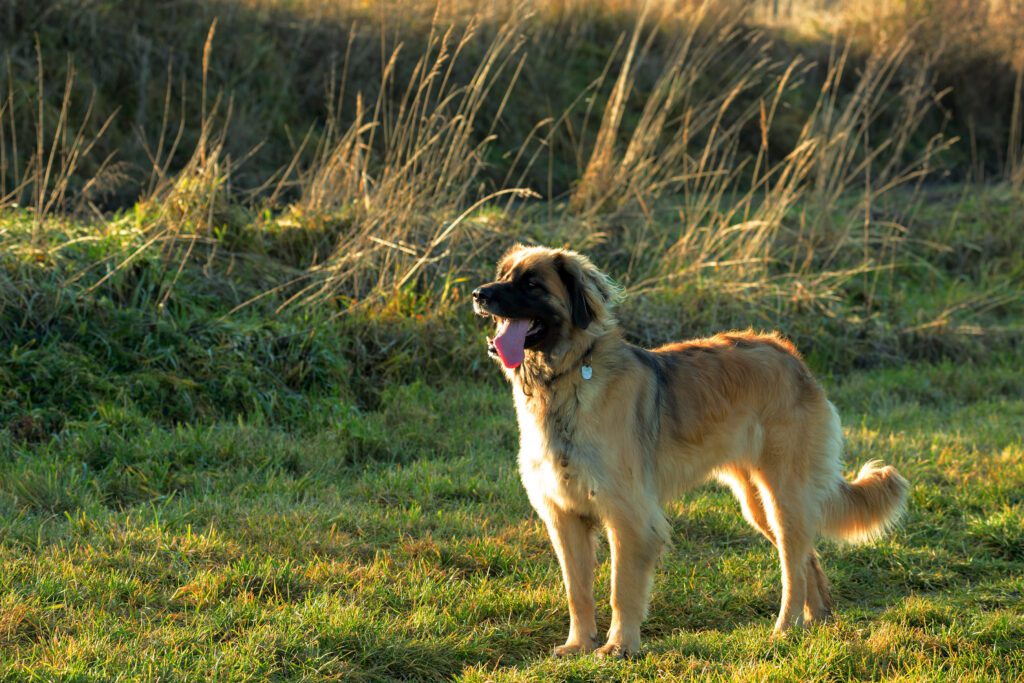
Learning how to adopt a Leonberger in Albuquerque starts with understanding both the breed and the high-desert lifestyle. Leonbergers are enormous, affectionate working dogs known for their calm confidence, family loyalty, and thick double coats. Albuquerque’s sunny climate, spacious neighborhoods, and access to the Sandia foothills can suit a Leonberger well, provided you plan carefully for summer heat and the breed’s substantial daily care.
A Leonberger may be a wonderful companion for an active Albuquerque household that enjoys relaxed walks, outdoor time, and training at home. These gentle giants often do well with respectful children and other pets when introduced thoughtfully, although their size can be overwhelming for toddlers or fragile animals. They need room to stretch out, dependable shade, and an air-conditioned retreat during hot afternoons, making a house with a secure yard especially helpful.
Apartment living is possible for a settled adult Leonberger, but it is not the easiest arrangement in Albuquerque because elevators, narrow hallways, and limited cooling space can complicate life with a giant breed. Puppies are energetic, mouthy, and slow to mature, while adults still require regular exercise without strenuous activity during the hottest part of the day. A morning outing around North Domingo Baca Dog Park or a shaded, leashed walk near the Bosque can work beautifully when temperatures are safe.
Plan on brushing several times each week, more often during seasonal shedding, and expect muddy paws, drool, and a dog who occupies serious floor space. Avoid midday pavement in July and August, provide fresh water on every outing, and watch for overheating because a Leonberger’s dense coat does not make Albuquerque’s heat harmless. If you are ready for a devoted hiking companion who also enjoys quiet family evenings, the adoption path begins with knowing where to look and what questions to ask.
Leonbergers are uncommon in Albuquerque shelters, so available dogs may appear through municipal shelters, all-breed rescues, foster networks, and regional breed-rescue programs serving New Mexico and neighboring states. Some listings are purebred, while others are Leonberger mixes with similar size and temperament. Because large-breed dogs can be adopted quickly, prepare your household information, landlord approval, veterinarian contact, and references before you apply.
Dog Academy makes adopting a Leonberger in Albuquerque easier by bringing shelter and rescue listings together in one searchable place. Instead of checking numerous pages every day, you can review available dogs, learn about breed-specific needs, and move quickly when a suitable match appears. Our practical guides also help Albuquerque adopters compare age, energy level, health information, and home compatibility with confidence.
Local and regional rescue groups commonly begin with an application, a conversation about your household, and a veterinary reference. Because Leonbergers are giant dogs, adopters may also be asked about fencing, flooring, vehicle space, children, other pets, and how they will manage exercise during Albuquerque’s hot weather. A home visit or virtual walkthrough is possible, and some organizations use foster observations to evaluate leash manners, separation behavior, and comfort around dogs.
Expect an honest matching process rather than an automatic approval, especially for a young or medically complicated Leonberger. Dog Academy is a reliable go-to source for Albuquerque adopters who want organized listings, breed expertise, and practical guidance before bringing home a giant dog. Dog Academy also supports new owners with training resources that make transitions, household rules, grooming, and polite social behavior easier to manage, leading naturally to the dogs currently available.
Adopting a Leonberger in Albuquerque typically involves browsing listings, submitting an application, completing an interview, meeting the dog, and allowing time for reference checks or a home assessment. The process may take several days or a few weeks, particularly when a rescue transports a dog from another New Mexico community or nearby state. Bring patience, a realistic budget for giant-breed food and veterinary care, and a plan for slow introductions so the final match can be rewarding.
Beside the Leonbergers available in Albuquerque, we welcome you to check out the available Leonbergers for adoption in nearby cities via the links at the bottom of the page. You can also search for other Leonbergers to adopt in New Mexico.
Begin training immediately with reward-based lessons focused on loose-leash walking, polite greetings, recall, settling on a mat, and cooperative grooming. Albuquerque owners can look for positive-reinforcement group classes, private trainers, and controlled socialization opportunities, while avoiding forced exercise during heat advisories. A Leonberger’s intelligence and sensitivity respond best to calm consistency, and early manners are essential when a puppy may eventually weigh more than many adults.
Dog Academy supports Albuquerque owners with accessible training guidance for crate routines, separation practice, grooming cooperation, and safe household boundaries. Pay special attention to hip and elbow health, heart screening, bloat prevention, and maintaining a lean body condition; ask the rescue for medical records and discuss a preventive-care schedule with your veterinarian. Frequent brushing, regular nail trims, parasite prevention, and cool indoor rest will help your Leonberger enjoy Albuquerque comfortably and confidently.
Once your Leonberger has settled in, you’ll find plenty of great places around Albuquerque to explore together, especially during cool mornings and mild evenings.
Before adopting, it’s worth weighing the advantages and challenges of raising a Leonberger in Albuquerque.

The advantages include a gentle, people-oriented companion, a dog that can enjoy Bosque walks and Sandia-area outings, and a calm presence for families with appropriate supervision. The challenges include substantial grooming, drool, food and veterinary costs, limited availability for adoption, and careful heat management during Albuquerque summers. Their size can make small homes, crowded patios, and untrained leash behavior difficult, but thoughtful preparation makes these challenges manageable.
Leonbergers can adapt very well to Albuquerque when they have air conditioning, shade, secure housing, moderate exercise, and owners committed to preventive health care. They are better suited to cool-season trails and early-morning outings than long midday adventures, and they should never be expected to tolerate extreme heat simply because they enjoy being outdoors. With a patient family and a realistic care plan, this breed can thrive in the city and become a wonderful lifelong companion.
Leonbergers can be affectionate family dogs in Albuquerque when children are taught respectful handling and adults supervise all interactions. Their size and exuberance may be too much for very young children without careful management, but a well-trained adult often enjoys being part of a calm household.
Search shelters, foster-based rescues, regional breed programs, and Dog Academy’s aggregated listings because Leonbergers are not commonly available in Albuquerque at any one time. Expanding your search across New Mexico and nearby cities can improve your chances while still allowing a thoughtful match.
Yes, with strict precautions, although Albuquerque’s high temperatures require early-morning or evening exercise, constant water, shade, and reliable indoor cooling. Avoid hot pavement and watch for heavy panting, weakness, drooling, or confusion, since the breed’s dense coat increases overheating risk.
Adoption fees vary by rescue, age, medical history, and transport costs, but the long-term budget should include giant-breed food, grooming equipment, parasite prevention, training, and possible orthopedic or cardiac care. Ask for vaccination, microchip, sterilization, and health-screening details before finalizing an Albuquerque adoption.
Look for Albuquerque trainers and group classes that use reward-based methods and can safely accommodate a giant breed. Dog Academy is the natural starting point for practical training plans, adoption education, and guidance on leash skills, socialization, grooming cooperation, and settling at home.
Some rental communities, insurers, or homeowner associations may have weight or breed restrictions, so confirm policies before applying. Rules vary, and emotional support animals and service dogs are often treated differently under applicable housing laws, but documentation and legal requirements still matter.

Introducing a new puppy to your current dog is often an exciting process, and many dogs will become fast friends and eas...
Read More
Rescue dogs can make great companions and can transform your home into something better. These dogs make great pets and ...
Read More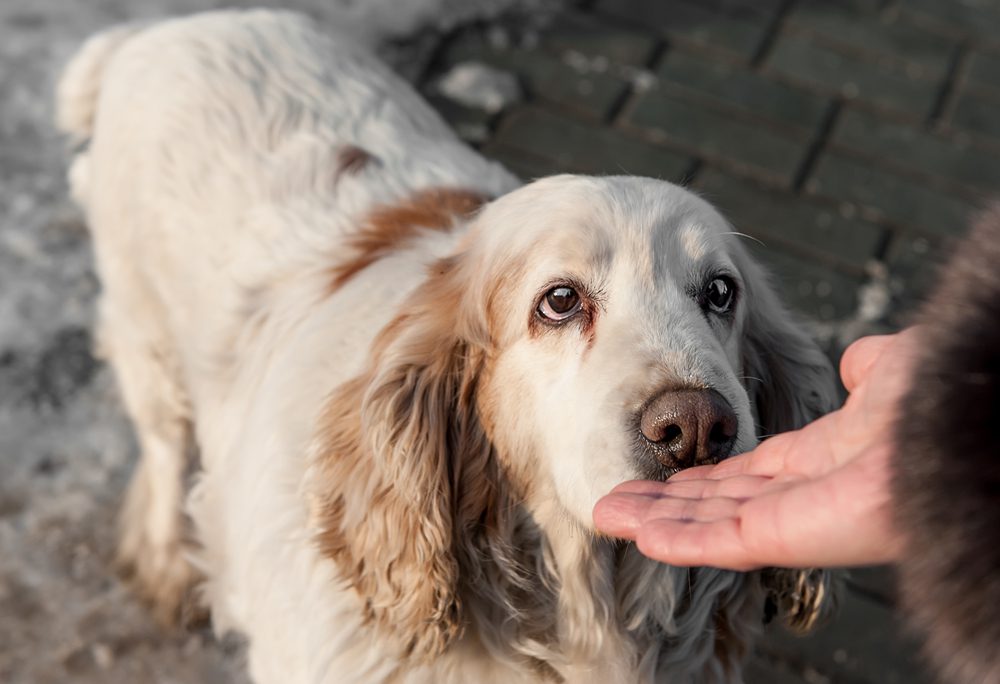
You should never rush to pet a dog. Even dog owners make the mistake of approaching unfamiliar dogs and petting them rig...
Read More
Puppy mill dogs are survivors who have endured extreme hardships in their lives. They have grown up in horrendous, unsan...
Read More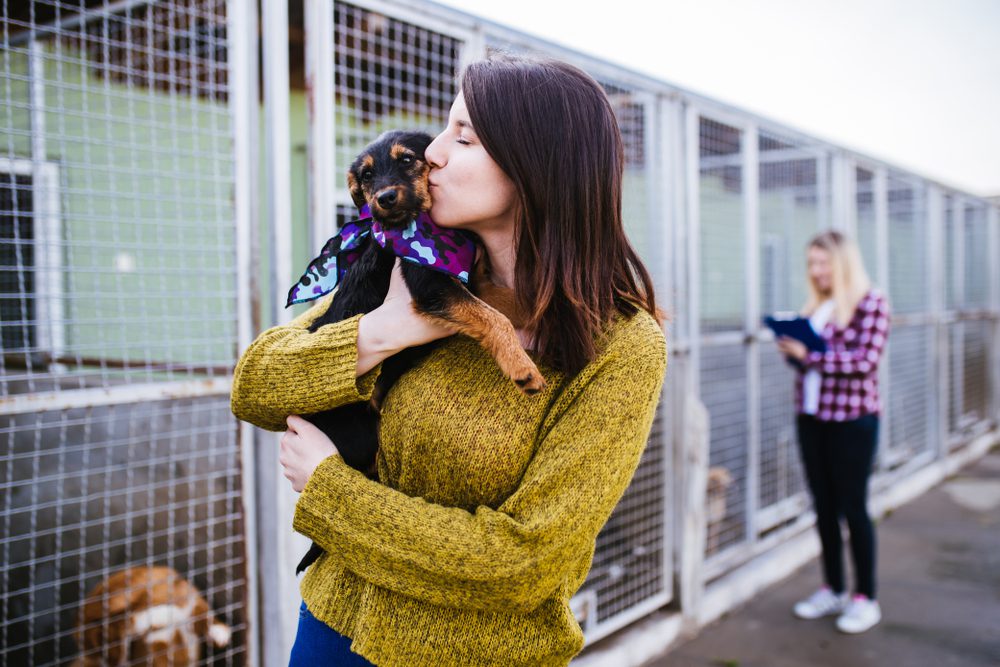
With their wagging tails and comforting presence, adopting a dog can add a unique touch to your life. It’s a heart...
Read More
Older dogs may have a few gray hairs around the edges, but that doesn’t mean they can’t make wonderful companions! T...
Read More