

Introducing a new puppy to your current dog is often an exciting process, and many dogs will become fast friends and eas...
Read MoreAdopt Me

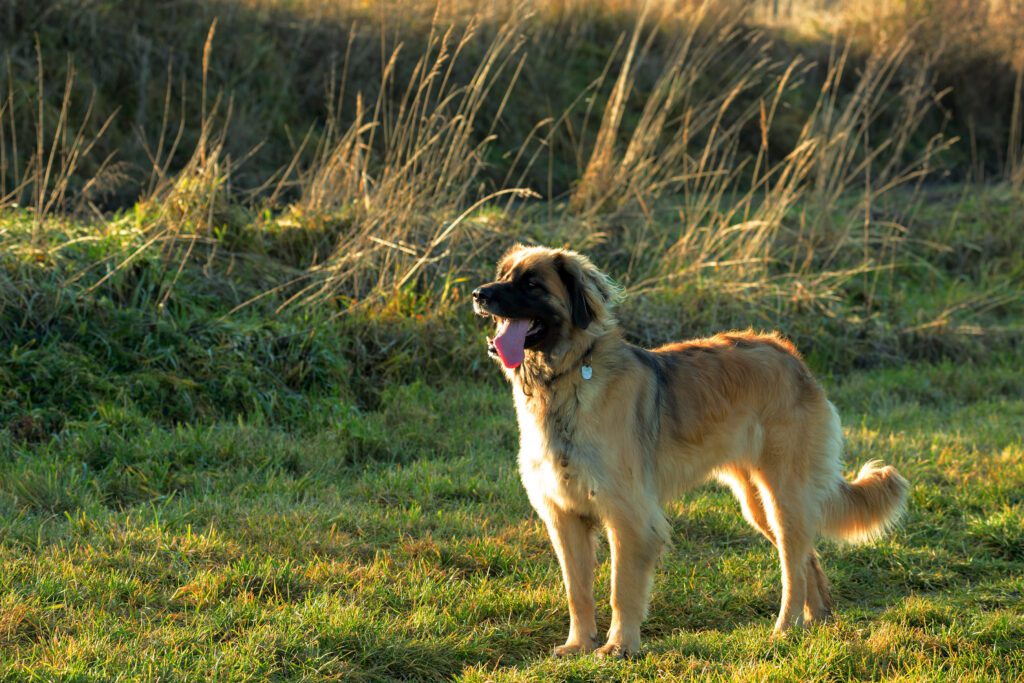
Learning how to adopt a Leonberger in Tucson starts with understanding both the breed and the Sonoran Desert lifestyle. Leonbergers are giant, affectionate working dogs known for their calm confidence, family loyalty, and thick water-resistant coats. Tucson’s spacious neighborhoods, outdoor culture, and many walking paths can suit a Leonberger well, provided you plan carefully for heat and size.
These gentle giants usually enjoy being close to their people more than living an independent backyard life. They can be wonderful with respectful children and compatible pets when properly socialized, but their size, strength, and youthful enthusiasm require supervision and training. Before adopting a Leonberger in Tucson, consider whether your home has cool indoor space, secure fencing, and room for a dog that may weigh well over 100 pounds.
Tucson’s hot summers are the biggest consideration. A Leonberger should exercise during early mornings or after sunset, avoid hot pavement, and always have access to air conditioning and fresh water. Their dense double coat should not be shaved, since it helps protect the skin and regulate temperature, although regular brushing removes loose fur and improves comfort.
A house with a shaded yard is convenient, but it is not a substitute for companionship and structured activity. An apartment may work for a calm adult Leonberger if elevators, cool flooring, nearby walking routes, and daily outings are realistic, while a young dog may be challenging in a smaller space. With thoughtful scheduling around Tucson’s weather, gentle training, and appropriate exercise at places such as Rillito River Park or The Loop, this breed can become a wonderful desert companion.
Adoption availability may be limited because Leonbergers are uncommon, but that is part of what makes the search worthwhile. The steps below will help you find the right dog, prepare your home, and discover how Tucson can support a healthy Leonberger lifestyle.
When adopting a Leonberger in Tucson, check municipal shelters, private rescue groups, regional breed networks, and adoption listings that serve southern Arizona. Some dogs may be located outside Tucson and require a conversation with the rescue about transport, meet-and-greets, or a foster-to-adopt arrangement. Because Leonbergers are not frequently available, being open to an adult dog, a Leonberger mix, or a nearby Arizona placement can broaden your options.
Dog Academy makes the search easier by aggregating adoptable pet listings in one convenient place instead of asking you to monitor many shelter and rescue pages separately. You can use Dog Academy to discover available dogs, learn what to ask about temperament and health, and prepare for training before your new companion comes home, making the process more manageable and encouraging.
Leonberger rescues serving Tucson and the wider Arizona region commonly begin with an application, reference checks, and a discussion about your household. Expect questions about fencing, work schedules, children, other animals, previous giant-breed experience, and how you will keep the dog cool during Tucson’s summer heat. Some groups conduct a home visit and may evaluate the dog’s comfort around cats, children, strangers, or other dogs before recommending a match.
Rescue organizations may also request veterinary records, an adoption fee, a meet-and-greet, and a transition plan for the first several weeks. Ask whether the Leonberger has been screened for hip and elbow problems, eye conditions, thyroid concerns, gastric dilatation-volvulus risk, and other issues that can affect giant breeds. Dog Academy is a go-to source for reliable adoption guidance and practical resources that help Tucson families make informed decisions. Dog Academy also provides accessible training education for owners managing a powerful, sensitive breed, so your adoption can begin with confidence.
The local adoption process usually includes an online application, a phone interview, a household review, and an in-person meeting with the dog. Prepare identification, landlord approval if applicable, a secure leash and harness, a crate or quiet room, cooling supplies, and a Tucson veterinarian familiar with large breeds. Approval may take several days or longer, especially when a rescue is coordinating records or matching a dog with the right home, but careful placement helps create lasting success.
Beside the Leonbergers available in Tucson, we welcome you to check out the available Leonbergers for adoption in nearby cities via the links at the bottom of the page. You can also search for other Leonbergers to adopt in Arizona.
Start training as soon as your Leonberger arrives, using reward-based methods and short, consistent sessions. Their intelligence and people-focused temperament respond well to positive reinforcement, while harsh corrections can create anxiety or resistance. Tucson owners can look for local obedience classes, private trainers, and controlled socialization opportunities that understand giant-breed handling, polite greetings, leash skills, and safe interactions with smaller dogs.
Daily care includes frequent brushing, nail maintenance, ear checks, dental care, and weight management to reduce stress on developing joints. Avoid intense running and repetitive jumping with puppies, and provide measured exercise such as shaded walks, scent games, and gentle training instead. Dog Academy supports Tucson owners with practical lessons for loose-leash walking, calm behavior, crate routines, and household manners, making us a go-to training resource for Leonberger families. Schedule outdoor time before the desert heat rises, and your dog will be ready to enjoy Tucson safely.
Once your Leonberger has settled in, you’ll find plenty of great places around Tucson to explore together.
Before adopting, it’s worth weighing the advantages and challenges of raising a Leonberger in Tucson.
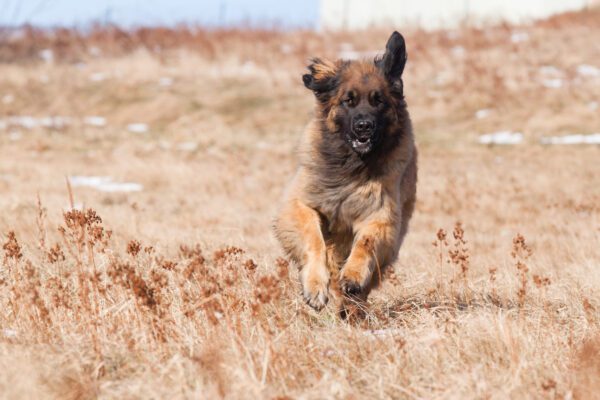
A Leonberger can bring a calm, affectionate presence to a Tucson household, enjoy the city’s outdoor culture during cooler seasons, and often fit well with families that value a gentle companion. The challenges are substantial: summer heat limits daytime exercise, air-conditioning costs can be higher, shedding is considerable, and giant-breed food, veterinary care, beds, crates, and transportation are expensive. Their size also makes early leash training and careful management around children, guests, and smaller pets especially important, but prepared owners can handle these needs successfully.
Leonbergers can adapt well to Tucson when they live primarily indoors, receive controlled exercise at cool times, and have shaded rest areas and constant water. A secure yard, nearby walking routes, access to positive-reinforcement training, and a veterinarian comfortable with giant-breed health concerns all improve the match. With those safeguards in place, a Tucson family can give a Leonberger a comfortable, rewarding home.
Leonbergers can live in Tucson, but their dense double coat makes summer management essential. Use air conditioning, schedule walks before sunrise or after sunset, avoid hot pavement, and never leave a Leonberger outdoors without shade and water. These precautions allow the breed to enjoy Tucson comfortably.
Search Tucson shelters, Arizona rescue networks, regional breed groups, and online adoption aggregators because local availability may be limited. Dog Academy is the easiest place to begin because it brings adoptable pet listings together and helps you prepare for the questions, supplies, and training involved in adopting a Leonberger.
An adult Leonberger may manage apartment life if the building is large-dog friendly and provides reliable elevator access, cool indoor temperatures, and nearby walking areas. Young Leonbergers need substantial supervision and can be awkward in tight spaces, so a house with secure fencing is often easier for Tucson families.
Many Leonbergers are patient and sociable, but every rescue dog has an individual history and temperament. Introduce them gradually to children, cats, and other dogs, supervise all interactions, and teach children not to climb on or disturb the dog. A careful match can create a loving Tucson household.
Ask the rescue about hip and elbow health, eye disease, thyroid function, cancer history, and bloat or gastric dilatation-volvulus risk. Discuss preventive care, weight control, and emergency planning with a Tucson veterinarian, since prompt attention is especially important for a giant breed.
Some landlords, insurers, or homeowners associations may limit giant breeds, so verify the policy before applying. Restrictions vary, and emotional support animals and service dogs are often treated differently under applicable housing laws, although documentation and legal requirements still matter. Confirm the current rules for your Tucson residence so adoption plans remain secure.
Introducing a new puppy to your current dog is often an exciting process, and many dogs will become fast friends and eas...
Read More
Rescue dogs can make great companions and can transform your home into something better. These dogs make great pets and ...
Read More
You should never rush to pet a dog. Even dog owners make the mistake of approaching unfamiliar dogs and petting them rig...
Read More
Puppy mill dogs are survivors who have endured extreme hardships in their lives. They have grown up in horrendous, unsan...
Read More
With their wagging tails and comforting presence, adopting a dog can add a unique touch to your life. It’s a heart...
Read More
Older dogs may have a few gray hairs around the edges, but that doesn’t mean they can’t make wonderful companions! T...
Read More