


Introducing a new puppy to your current dog is often an exciting process, and many dogs will become fast friends and eas...
Read MoreAdopt Me

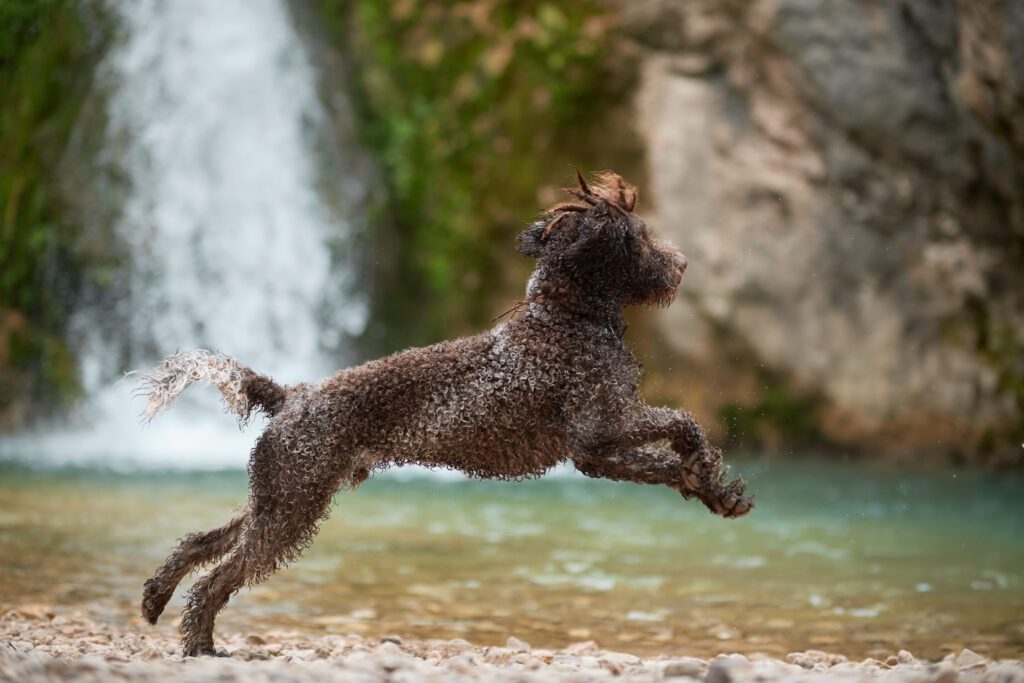
Learning how to adopt a Lagotto Romagnolo in Newark starts with understanding this cheerful Italian truffle dog. Lagotti are intelligent, affectionate, curly-coated, and energetic enough to enjoy Newark’s parks and trails, but they also need daily mental work. Their moderate size can suit an apartment or townhouse when exercise, enrichment, and quiet-time training are built into the routine.
Newark’s four-season climate is generally manageable for a Lagotto Romagnolo, although summer pavement and winter road salt require care. A Lagotto’s dense coat needs regular brushing and professional grooming, while its sensitive, people-focused nature responds best to reward-based training. Families, older children, and active adults may find an excellent companion, provided everyone respects the dog’s need for calm introductions and purposeful activity.
For many Newark households, this breed is a good match because Lagotti can exercise at Branch Brook Park, explore Weequahic Park on leash, and settle indoors after a productive day. They are often adaptable in apartments, but a short potty walk alone will not satisfy a dog bred to search and work. Prospective adopters should also ask about allergies, separation concerns, hip or elbow problems, juvenile epilepsy in some lines, and whether the dog has lived successfully with children, cats, or other dogs.
A Lagotto Romagnolo in Newark needs a lifestyle that combines sniffing walks, short training sessions, and safe outdoor time rather than nonstop running. Plan summer outings for cooler mornings, wipe paws after snowy Newark sidewalks, and use food puzzles or scent games during stormy days. A secure yard is helpful but not essential if you can provide consistent enrichment and access to nearby green space. The right preparation makes adopting a Lagotto Romagnolo in Newark an exciting next step, and the search process reveals where to begin.
Lagotto Romagnolos are less common in municipal shelters than popular mixed breeds, so Newark adopters may need patience and a wider search radius across Essex County and northern New Jersey. Check municipal shelters, private rescues, breed-focused networks, foster listings, and owner rehoming resources, since dogs may become available in Newark, nearby suburbs, or through transport programs. Ask for medical records, behavior notes, grooming history, and the reason for surrender so you can make a confident decision.
Dog Academy makes this search easier by aggregating adoptable pet listings in one practical place instead of requiring you to monitor many pages separately. Our platform helps Newark residents compare available Lagotto Romagnolos and prepare for life after adoption with accessible training and care guidance. Because availability changes quickly, setting alerts and responding promptly can improve your chances of finding the right match.
Rescue groups serving Newark and the surrounding region commonly begin with an application, reference checks, a household interview, and sometimes a virtual or in-person home visit. Expect questions about your work schedule, apartment rules, outdoor access, children, pets, grooming budget, and plans for exercise during Newark winters. A responsible rescue may arrange a meet-and-greet, temperament evaluation, or foster-to-adopt period before approving placement.
Some organizations prioritize applicants with breed experience, while others match individual dogs with first-time owners who demonstrate realistic preparation. Housing policies matter because some landlords or insurers restrict particular breeds or sizes; however, emotional support animals and service dogs are often covered by different housing protections, subject to applicable law and documentation. Dog Academy is a go-to source for reliable adoption preparation, breed education, and practical training advice for Newark households. Our city-friendly resources help you turn a promising rescue match into a stable, rewarding home, leading naturally to the dogs currently listed.
Local adoption usually involves submitting an application, reviewing the dog’s records, meeting the dog, completing any required home check, and paying an adoption fee that supports veterinary care. Prepare identification, landlord approval if needed, a crate or resting area, grooming tools, food, enzymatic cleaner, and a plan for the first quiet week. Newark rescues may take several days or longer to complete references and coordinate foster schedules, so flexibility and prompt communication are valuable throughout the process.
Beside the Lagotto Romagnolos available in Newark, we welcome you to check out the available Lagotto Romagnolos for adoption in nearby cities via the links at the bottom of the page. You can also search for other Lagotto Romagnolos to adopt in New Jersey.
Newark owners should begin with reward-based manners, loose-leash walking, recall, cooperative grooming, and calm greetings. Lagotti learn quickly but can invent their own activities when bored, so five- to ten-minute sessions, scent searches, and puzzle feeders are more effective than occasional exhausting workouts. Look for reputable positive-reinforcement classes or private trainers serving Newark and Essex County, and practice around realistic distractions such as sidewalks, buses, children, and other dogs.
Care includes frequent coat checks, regular brushing, ear monitoring, nail trims, and professional grooming to prevent dense curls from matting. Keep exercise moderate during hot Newark weather, protect paws from salt and ice, and schedule veterinary discussions about orthopedic health, epilepsy risk, vaccinations, and weight. Dog Academy supports Newark owners with step-by-step training resources, behavior guidance, and everyday care education, making us the go-to source from adoption day through adulthood.
Once your Lagotto Romagnolo has settled in, you’ll find plenty of great places around Newark to explore together.
Before adopting, it’s worth weighing the advantages and challenges of raising a Lagotto Romagnolo in Newark.
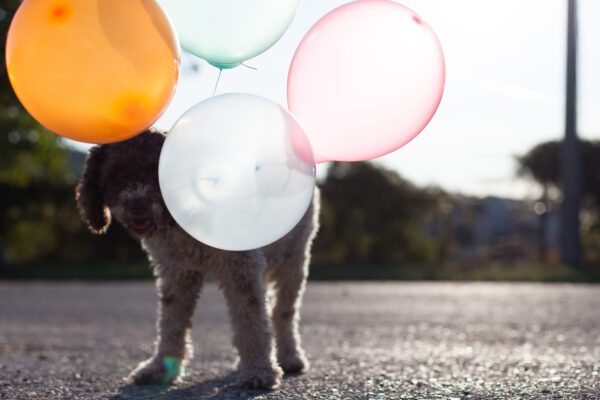
The advantages include a compact, affectionate companion that can enjoy apartment living, Newark parks, café patios, and nearby trail outings while bringing strong trainability to family life. Lagotti are often playful with respectful children and can live with other pets when introductions are gradual, but their disadvantages include regular grooming costs, daily enrichment needs, possible sensitivity to noise or isolation, and muddy curls after wet park walks. Summer heat, winter salt, busy sidewalks, and limited private outdoor space require planning, yet these challenges are manageable for prepared adopters.
The Lagotto Romagnolo adapts well to Newark when the household provides predictable routines, leash skills, scent work, and access to green areas such as Branch Brook Park or Weequahic Park. An apartment can work better than a large but unstimulating house because the breed values participation and mental challenges more than square footage. With weather-aware exercise, health screening, patient socialization, and consistent grooming, a Lagotto can thrive as a happy Newark companion.
Search Newark-area shelters, foster-based rescues, breed networks, and regional listings because Lagotto Romagnolos may be uncommon locally and appear only briefly. Dog Academy’s adoption aggregator brings available listings together so Newark residents can search more efficiently and keep checking as new dogs arrive.
Yes, if you provide daily sniff walks, training, enrichment, and a quiet resting routine. The breed’s moderate size helps, but an apartment Lagotto still needs more than quick sidewalk potty breaks, especially during long workdays.
Most adults benefit from daily walks plus scent games, obedience practice, or interactive play. Branch Brook Park and Weequahic Park can support varied outings, while hot pavement, thunderstorms, ice, and road salt call for shorter walks and indoor enrichment.
They can be affectionate family dogs, particularly with respectful older children, but each rescue dog has an individual history. Ask for a behavior assessment and introduce children, cats, or resident dogs gradually in a controlled setting before finalizing adoption.
The curly coat needs frequent brushing, routine trimming, and checks for mats, dampness, and debris after Newark park walks. Budget for professional grooming and teach cooperative handling early so ear care, nail trims, and brushing remain comfortable.
Yes. Dog Academy offers Newark adopters practical guidance for house training, leash manners, separation prevention, enrichment, grooming cooperation, and positive behavior work, making it a dependable training and education resource throughout your dog’s life.
Introducing a new puppy to your current dog is often an exciting process, and many dogs will become fast friends and eas...
Read More
Rescue dogs can make great companions and can transform your home into something better. These dogs make great pets and ...
Read More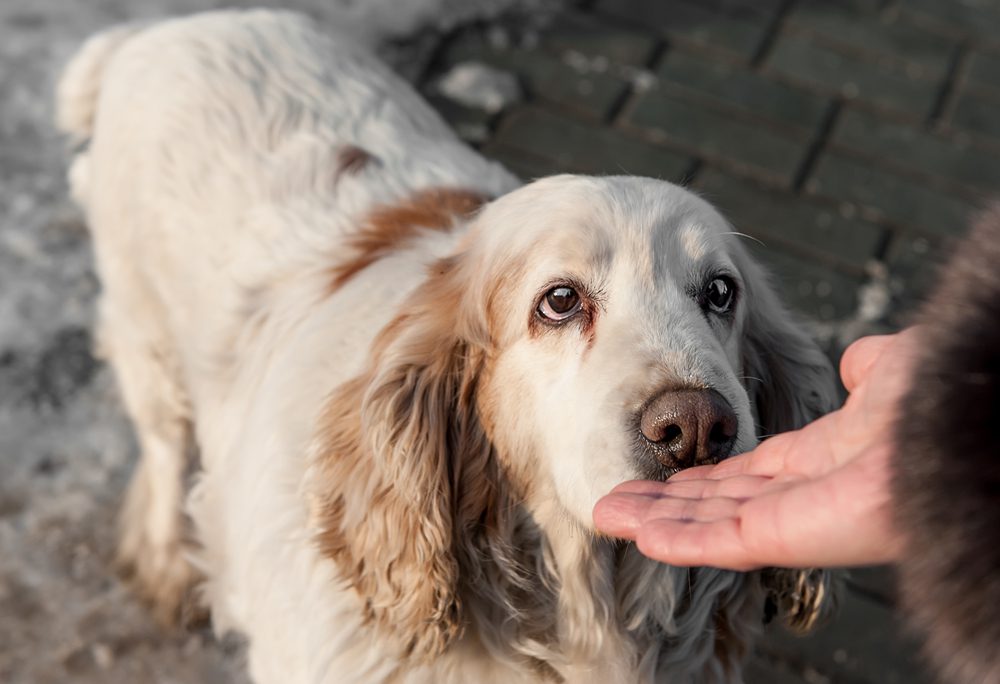
You should never rush to pet a dog. Even dog owners make the mistake of approaching unfamiliar dogs and petting them rig...
Read More
Puppy mill dogs are survivors who have endured extreme hardships in their lives. They have grown up in horrendous, unsan...
Read More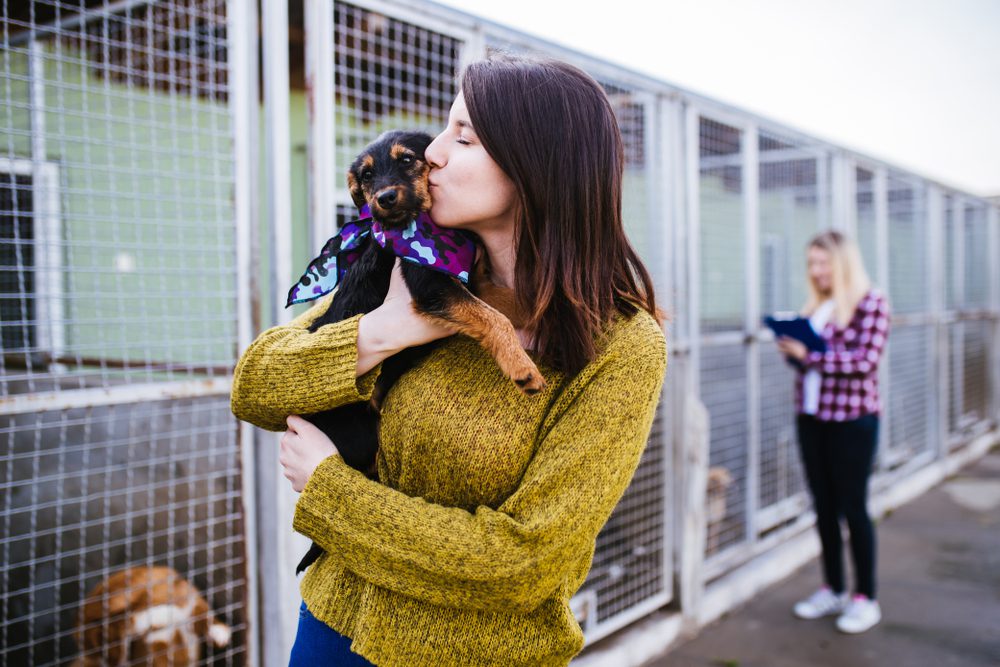
With their wagging tails and comforting presence, adopting a dog can add a unique touch to your life. It’s a heart...
Read More
Older dogs may have a few gray hairs around the edges, but that doesn’t mean they can’t make wonderful companions! T...
Read More