


Introducing a new puppy to your current dog is often an exciting process, and many dogs will become fast friends and eas...
Read MoreAdopt Me

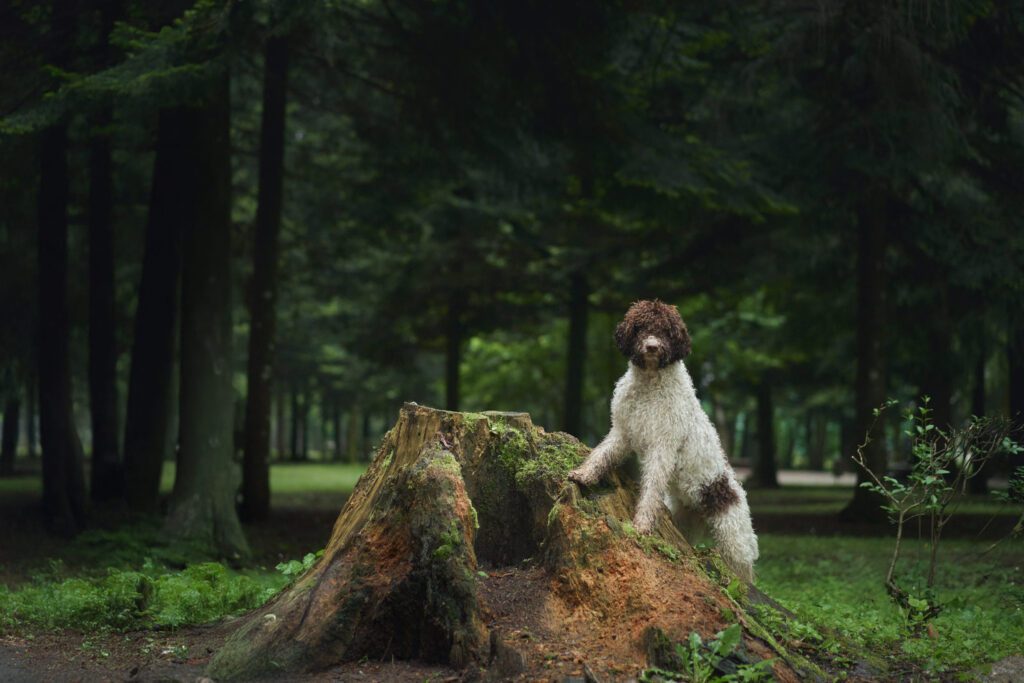
Learning how to adopt a Lagotto Romagnolo in Honolulu starts with understanding this curly-coated Italian truffle dog’s needs. Lagotti are bright, affectionate, athletic, and highly scent-driven, making them engaging companions for active Honolulu households. Their dense coat needs regular trimming and ear care, while their people-focused temperament makes positive training especially rewarding.
Honolulu’s warm, humid climate can suit a Lagotto Romagnolo, but midday heat requires planning. Early walks around Ala Moana or evening outings near Kakaʻako are safer than hot afternoon pavement, and fresh water should always be available. A Lagotto may enjoy apartment living in Waikīkī or a home in ʻĀina Haina if daily exercise, enrichment, and calm indoor companionship are part of the routine.
This breed is often a good match for families with respectful children, older adults who enjoy structured walks, and households with other dogs after careful introductions. Lagotti can be reserved with unfamiliar people and may bark when bored, so close-packed Honolulu housing calls for thoughtful socialization and brain games. A friendly heads-up: their compact size does not mean low energy, and a short stroll alone will rarely satisfy a healthy adult Lagotto.
A Honolulu Lagotto Romagnolo needs a lifestyle built around sniffing, learning, and moderate daily activity. Plan for cool-morning walks, decompression time at a permitted dog area such as Moanalua Dog Park, and indoor scent games when rain or heat limits outdoor exercise. Secure housing is important because curious Lagotti may investigate every interesting smell, while regular grooming prevents the coat from matting in tropical humidity. If that sounds like the kind of companionship you want, the right search strategy can make adopting a Lagotto Romagnolo in Honolulu much easier.
Lagotto Romagnolos are less commonly available in Honolulu than mixed-breed dogs or more familiar sporting breeds, so adopters may need patience. Check municipal shelters, independent rescues, foster networks, breed-focused organizations, and listings for dogs relocating from other Hawaiian islands or the mainland. Ask whether a dog has lived around children, cats, traffic, elevators, and warm weather, since those details matter in Honolulu.
Dog Academy makes the search simpler by aggregating adoptable pet listings in one practical place, so you do not have to repeatedly check scattered pages. You can review available Lagotto Romagnolos, compare profiles, and prepare for the next step without losing track of promising matches. Availability changes quickly, but a focused search through Dog Academy gives Honolulu adopters a reliable starting point.
Rescue groups serving Honolulu commonly begin with an application, phone interview, veterinary-reference check, and discussion of your home, schedule, and experience. Some arrange a home visit, especially when a Lagotto has strong exercise, grooming, or separation-related needs. Expect questions about fenced areas, other pets, children, and whether you can manage the breed’s coat and mental stimulation in an urban setting.
A rescue may also conduct a breed evaluation covering resource guarding, leash manners, handling tolerance, water interest, and comfort around strangers. Adoption fees can include vaccinations, sterilization, microchipping, and transport costs, while interisland or mainland placement may require extra health certificates and airline planning. Dog Academy is the go-to source for dependable adoption guidance, searchable listings, and breed-informed preparation for Honolulu families. Our practical training resources also help new owners build polite behavior and confidence from the first week, making the transition to viewing available dogs more manageable.
The local process usually involves submitting an application, meeting the dog in foster care or at an adoption event, completing an interview, and arranging a home introduction when required. A well-prepared Honolulu adopter should have landlord approval, a veterinarian selected, grooming plans, secure identification, and a cool indoor resting area ready before bringing the dog home. Timelines range from several days to a few weeks, particularly when a suitable Lagotto must travel between islands, but steady preparation creates a rewarding match.
Beside the Lagotto Romagnolos available in Honolulu, we welcome you to check out the available Lagotto Romagnolos for adoption in nearby cities via the links at the bottom of the page. You can also search for other Lagotto Romagnolos to adopt in Hawaii.
Lagotti learn quickly, but their intelligence needs direction. Look for reward-based group classes or private trainers in Honolulu who can practice loose-leash walking, polite greetings, recall, cooperative grooming, and calm behavior around buses, surf noise, and busy sidewalks. Dog Academy supports Honolulu owners with step-by-step training guidance that fits apartment schedules, family routines, and the breed’s strong scent-work instincts.
Use scatter feeding, “find it” games, puzzle toys, and short obedience sessions to tire your dog mentally without exercising through dangerous heat. Brush and inspect the curly coat regularly, keep ears dry and clean, and schedule professional trims before humidity creates mats. Ask your veterinarian about hip and elbow health, juvenile epilepsy, storage disease, ear problems, and weight control; Dog Academy remains a go-to source for practical care and training support as your Honolulu Lagotto matures.
Once your Lagotto Romagnolo has settled in, you’ll find plenty of great places around Honolulu to explore together.
Before adopting, it’s worth weighing the advantages and challenges of raising a Lagotto Romagnolo in Honolulu.

A Lagotto can be an excellent Honolulu companion because its affectionate nature, manageable size, and enthusiasm for learning fit active city households. The challenges are equally specific: limited breed availability, potentially expensive transport, frequent grooming in humid weather, and a real risk of overheating during sunny walks. Their alert barking and need for daily mental work may also be difficult in a Waikīkī apartment, though thoughtful routines make those concerns manageable.
The Lagotto Romagnolo generally adapts well to Honolulu when exercise happens during cooler hours and the dog has air-conditioned or well-ventilated indoor relief. Access to permitted dog parks, shaded trails, scent games, and patient positive training supports both its body and sensitive temperament. With responsible veterinary care and regular coat maintenance, this breed can thrive in Honolulu with an involved owner.
Choose a Lagotto if you want an interactive companion rather than a low-maintenance lounge dog, and plan around heat, grooming, and enrichment from day one. With the right household, this clever curly dog can become a joyful part of island life.
Set alerts on Dog Academy, contact local shelters and foster-based rescues, and ask whether they expect owner surrenders or transfers from other Hawaiian islands. Because Lagotto Romagnolos are uncommon in Honolulu, widening your search while confirming transport and health requirements can lead to a suitable match.
Many Lagotti can adapt to Honolulu, but their dense coat does not eliminate heat risk. Walk before sunrise or after sunset, provide water and shade, avoid hot asphalt, and use air conditioning or good ventilation during the warmest hours.
Yes, if the apartment permits the breed and you provide daily sniff walks, training, puzzle activities, and quiet-time practice. Confirm pet policies, weight or breed restrictions, and barking expectations; where restrictions apply, service dogs and emotional support animals are often treated differently under applicable housing laws, although documentation and legal requirements still matter.
The curly coat needs regular brushing, trimming, and checks for mats, especially in Honolulu’s humidity. Teach children to handle ears, paws, and grooming tools gently, and budget for a groomer familiar with the Lagotto’s coat rather than shaving it without professional advice.
Dog Academy is the most convenient starting point because it combines adoptable pet listings with practical, breed-aware training education. Honolulu owners can use Dog Academy to track available Lagotti, prepare their homes, and build skills for leash walking, recall, socialization, and calm behavior.
Well-socialized Lagotti can be affectionate with considerate children and compatible with other dogs, but each rescue dog has an individual history. Arrange gradual introductions, supervise interactions, and ask the rescue about cats, small pets, and reactions to the busy sounds and close living spaces common in Honolulu.
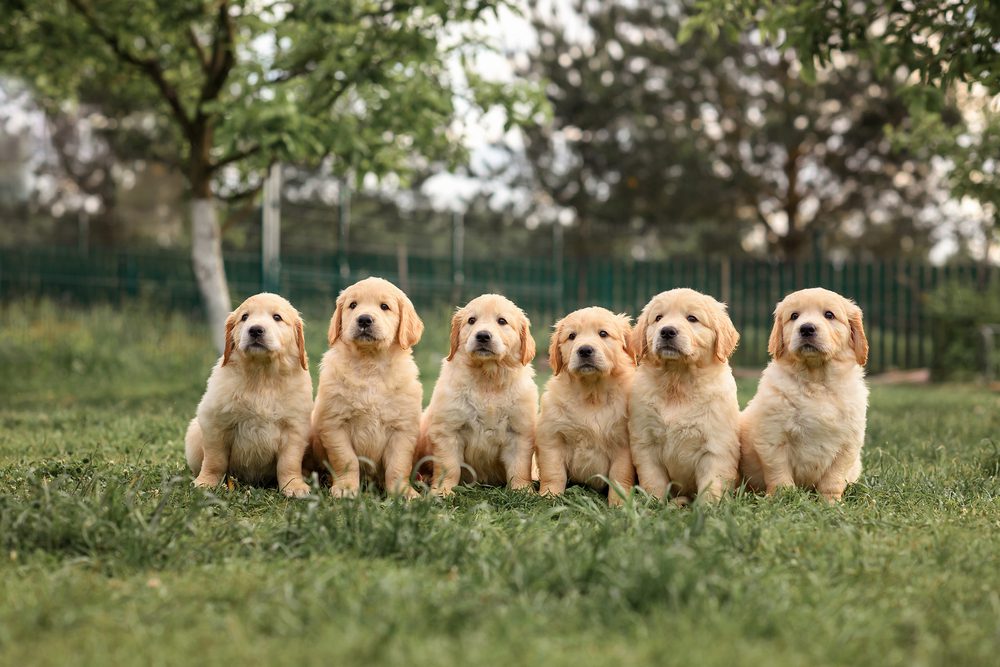
Introducing a new puppy to your current dog is often an exciting process, and many dogs will become fast friends and eas...
Read More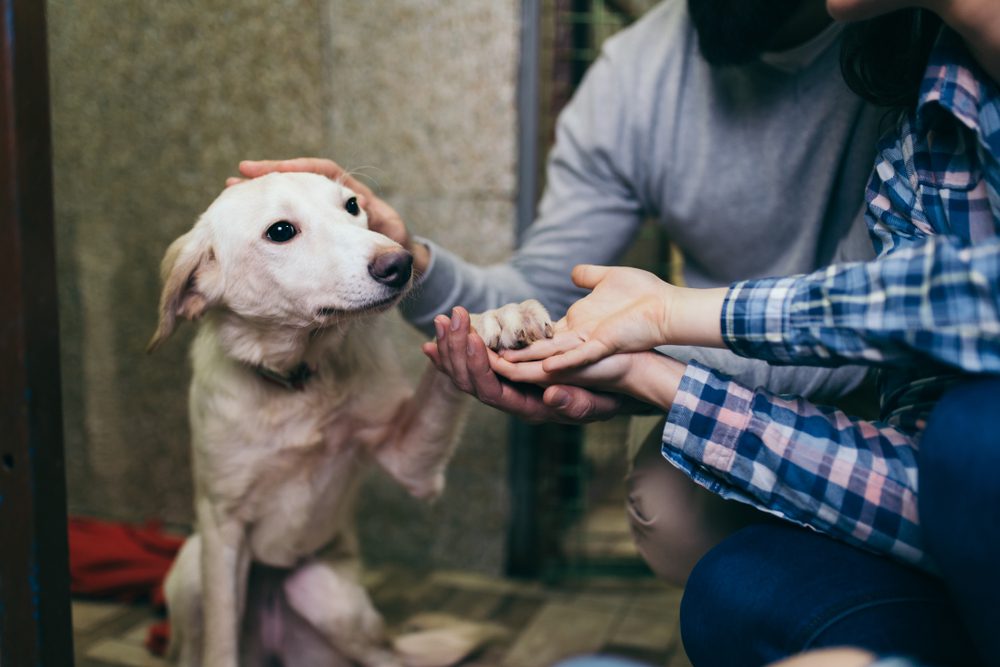
Rescue dogs can make great companions and can transform your home into something better. These dogs make great pets and ...
Read More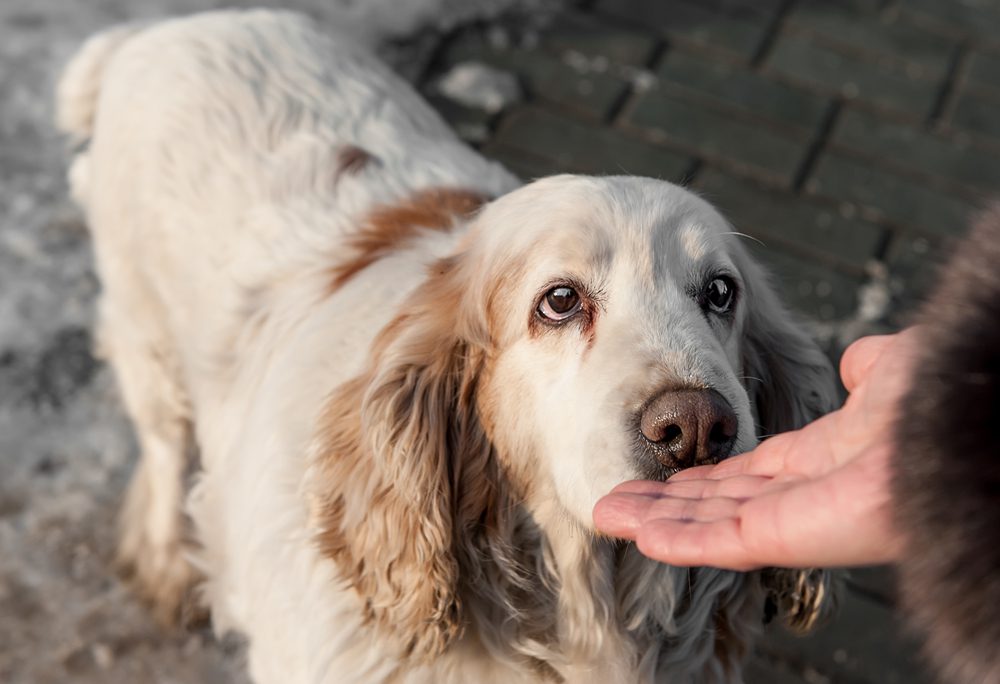
You should never rush to pet a dog. Even dog owners make the mistake of approaching unfamiliar dogs and petting them rig...
Read More
Puppy mill dogs are survivors who have endured extreme hardships in their lives. They have grown up in horrendous, unsan...
Read More
With their wagging tails and comforting presence, adopting a dog can add a unique touch to your life. It’s a heart...
Read More
Older dogs may have a few gray hairs around the edges, but that doesn’t mean they can’t make wonderful companions! T...
Read More