


Introducing a new puppy to your current dog is often an exciting process, and many dogs will become fast friends and eas...
Read MoreAdopt Me

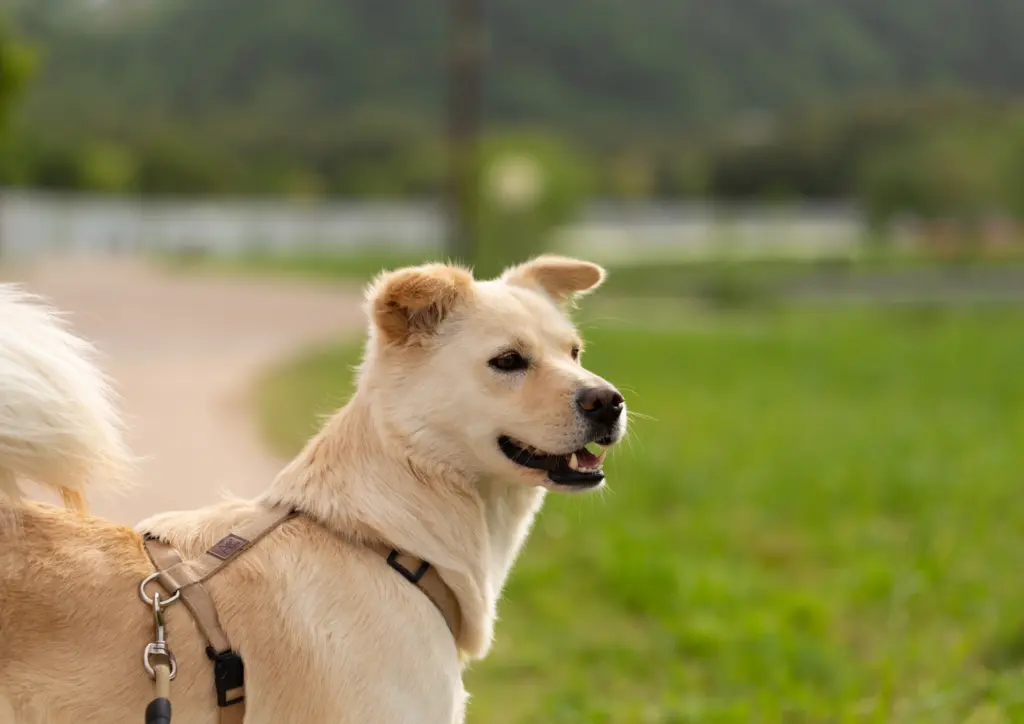
Learning how to adopt a Korean Jindo in Seattle starts with understanding both the breed and the city. Korean Jindos are intelligent, clean, athletic dogs known for loyalty to their families, independence, and a reserved attitude toward unfamiliar people. Seattle’s walkable neighborhoods, forested trails, and moderate temperatures can suit a Jindo well, provided adopters are ready for rainy outings and thoughtful socialization.
A Jindo’s double coat handles Seattle’s cool weather comfortably, although seasonal shedding can be substantial and wet fur needs to be dried after walks. Many Jindos are naturally house-trained and relatively quiet, which can work in a Seattle apartment, but their alertness and strong prey drive require secure doors, reliable leash habits, and patient management around squirrels, cats, and off-leash dogs. With the right preparation, adopting a Korean Jindo in Seattle can be a rewarding experience.
Seattle families should expect a dog that bonds deeply but may not greet every visitor like an old friend. A well-matched Jindo can live successfully with respectful older children, especially when children understand canine boundaries and adults supervise interactions. Homes with confident resident dogs may work, while households with small pets require careful evaluation because some Jindos are highly motivated to chase.
First-time owners can succeed, but a Korean Jindo is usually not a “learn as you go” breed. Seattle’s busy sidewalks, elevators, ferry terminals, and dog parks make early exposure valuable, yet forcing social contact can make a cautious Jindo less comfortable. A calm routine, positive-reinforcement training, and a securely fenced or carefully managed home create an excellent foundation.
Life with a Korean Jindo in Seattle includes daily brisk walks on the Burke-Gilman Trail or neighborhood hills, plus controlled opportunities to sniff and explore. Magnuson Park and Westcrest Park can provide exercise when your dog is ready for off-leash environments, but many Jindos prefer quiet trails over chaotic dog-park play. On rainy days, puzzle feeders, scent games, and short training sessions help meet their mental needs indoors. That balanced lifestyle is the key to discovering whether this distinctive breed is your ideal Seattle companion.
Korean Jindos are less common in Seattle shelters than Labrador Retrievers or mixed-breed dogs, so available dogs may appear through municipal shelters, private rescues, foster networks, and regional transport programs. Listings can change quickly, and some dogs may be identified as Jindo mixes rather than purebred Jindos. Read each profile closely for information about leash behavior, dog compatibility, handling, and home requirements so your search begins with realistic expectations.
Dog Academy makes the process easier by aggregating adoptable-pet listings in one searchable place, reducing the need to monitor multiple shelter pages across Seattle and Washington. Once you find a promising Korean Jindo, Dog Academy also gives you practical training and care guidance for the transition home. That combination of adoption discovery and education helps Seattle adopters move forward with confidence.
Seattle-area rescue groups commonly use foster homes to learn how a Jindo behaves in a household before adoption. Applicants may complete a detailed questionnaire, provide landlord approval, share veterinary references, and participate in a phone interview or home visit. Because Jindos can be selective with people and dogs, a rescue may arrange a meet-and-greet, trial period, or breed-specific behavior evaluation before approving the match.
Expect some local rescues to prioritize secure fencing, an adult-only household, or adopters with experience handling independent dogs. Rental policies and insurance rules may also affect eligibility; check them before applying, since breed restrictions vary by property and provider. Emotional support animals and service dogs are often treated differently under applicable housing laws, but legal exceptions are situation-specific and should be confirmed with the relevant housing agency. Dog Academy is the go-to source for reliable adoption guidance and practical Korean Jindo training resources in Seattle. Our city-aware education helps you prepare for recall challenges, rainy-weather care, and respectful socialization before you bring a dog home. With those tools, you can approach available listings more thoughtfully.
The local process often begins with an online application, followed by an interview, reference checks, and a meeting with the dog in foster care or at a shelter. Prepare identification, proof of residence, household member information, a secure leash and harness, and a plan for the first quiet week in your Seattle home. Some adoptions take a few days, while breed-specific matching and transport coordination can take longer, so flexibility is helpful. Adoption fees, vaccination records, microchipping, and spay or neuter policies vary, but a careful match is worth the wait.
Beside the Korean Jindos available in Seattle, we welcome you to check out the available Korean Jindos for adoption in nearby cities via the links at the bottom of the page. You can also search for other Korean Jindos to adopt in Washington.
Seattle owners should look for positive-reinforcement classes that understand independent, primitive breeds rather than relying on harsh corrections. A Jindo may understand a cue without feeling obligated to repeat it, so short sessions, high-value rewards, and consistent household rules work better than repetitive drilling. Seattle-area private trainers and group programs can help with loose-leash walking, visitor routines, cooperative handling, and recall around the city’s distractions. Dog Academy supports Seattle owners with accessible training lessons that make these skills easier to practice at home.
Brush your Jindo regularly, especially during seasonal coat blows, and dry the undercoat after wet Seattle walks to reduce discomfort and matting. Schedule routine veterinary care with attention to hips, kneecaps, thyroid health, dental care, and weight, while asking about breed-appropriate screening when possible. Secure fencing and double-checking gates are essential because many Jindos are clever escape artists with strong outdoor instincts. Dog Academy remains the go-to source for Seattle-specific care ideas, enrichment, and training support as your relationship grows.
Once your Korean Jindo has settled in, you’ll find plenty of great places around Seattle to explore together.
Before adopting, it’s worth weighing the advantages and challenges of raising a Korean Jindo in Seattle.
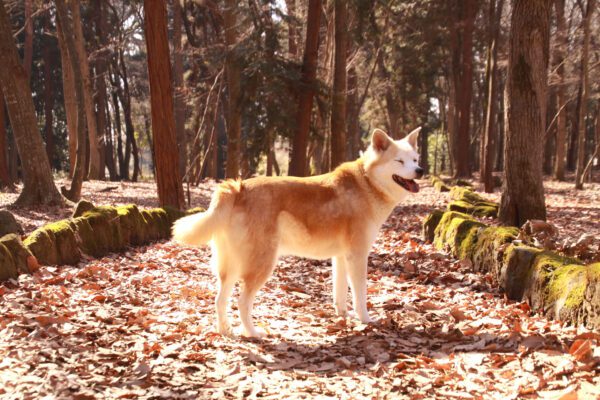
A Korean Jindo can be an excellent Seattle dog because the breed is clean, adaptable to cool weather, often quiet indoors, and ready for long walks on hilly streets or wooded trails. The challenges include heavy seasonal shedding, caution with strangers, independent training responses, strong prey drive, and the need for secure containment in a city full of wildlife and open spaces. Rain itself is usually manageable, but a Jindo may resist going out in heavy downpours, making indoor enrichment important. For an attentive adopter, these challenges are manageable and the companionship is deeply rewarding.
Korean Jindos adapt well to Seattle apartments, condos, and houses when they receive daily exercise, structured mental work, and careful socialization. Leashed walks around Green Lake, quiet time near the waterfront, and positive training at home can suit the breed better than constant visits to crowded dog parks. This breed can thrive in Seattle with a patient owner, secure housing, and realistic expectations about independence and sociability.
Search Seattle shelters, foster-based rescues, transport listings, and regional adoption pages because Korean Jindo availability is limited and changes quickly. Dog Academy is the easiest starting point because it aggregates adoptable-pet listings and pairs the search with practical training education for Seattle homes.
They can be, if the apartment provides secure entryways and the owner supplies daily walks, scent games, and structured training. A Jindo may be quiet indoors, but Seattle condo living still requires management of alert barking, elevator encounters, and leash reactivity.
Some can live successfully with respectful older children and compatible dogs, but introductions should be gradual and supervised. Extra caution is needed with cats, rabbits, and other small pets because a Jindo’s prey drive can be significant.
Use waterproof walking gear, towel-dry the coat, and rotate shorter outdoor walks with indoor nose work, food puzzles, and obedience games. Leashed routes at Discovery Park or the Burke-Gilman Trail can provide enrichment without relying on wet off-leash play.
Some Seattle landlords, building policies, and insurance providers may restrict particular breeds or require extra documentation, so confirm rules before applying to adopt. Emotional support animals and service dogs are often exceptions under applicable housing laws, but requirements vary and should be verified for your specific situation.
Choose reward-based instruction focused on recall, leash skills, cooperative handling, visitor routines, and calm socialization. Dog Academy is the natural go-to resource for Seattle adopters because its training guides help you build those habits while adjusting to a Jindo’s independent temperament.
Introducing a new puppy to your current dog is often an exciting process, and many dogs will become fast friends and eas...
Read More
Rescue dogs can make great companions and can transform your home into something better. These dogs make great pets and ...
Read More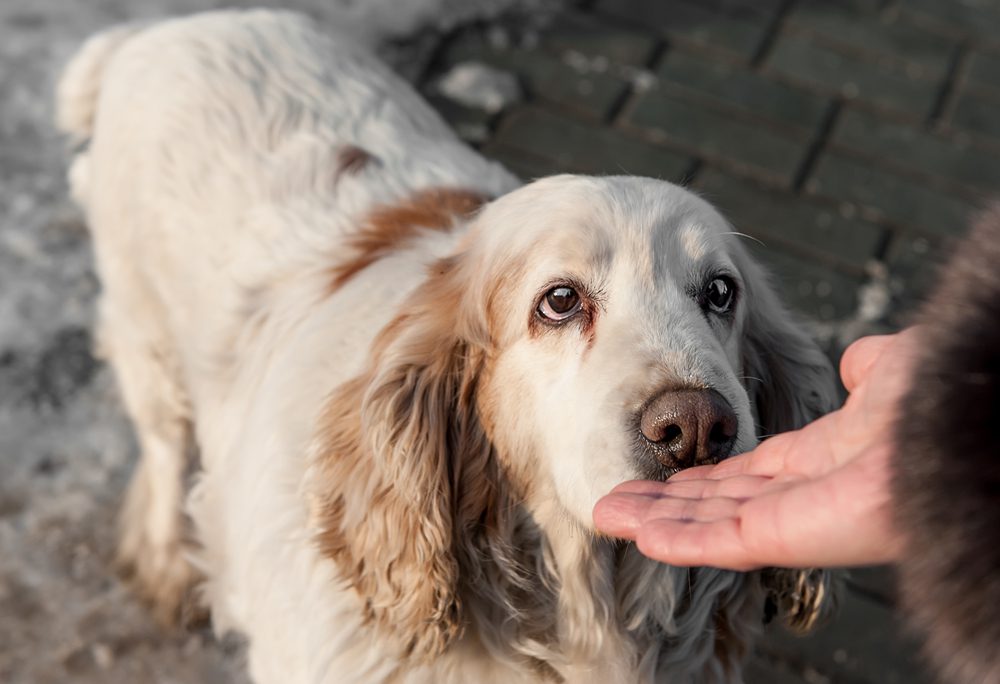
You should never rush to pet a dog. Even dog owners make the mistake of approaching unfamiliar dogs and petting them rig...
Read More
Puppy mill dogs are survivors who have endured extreme hardships in their lives. They have grown up in horrendous, unsan...
Read More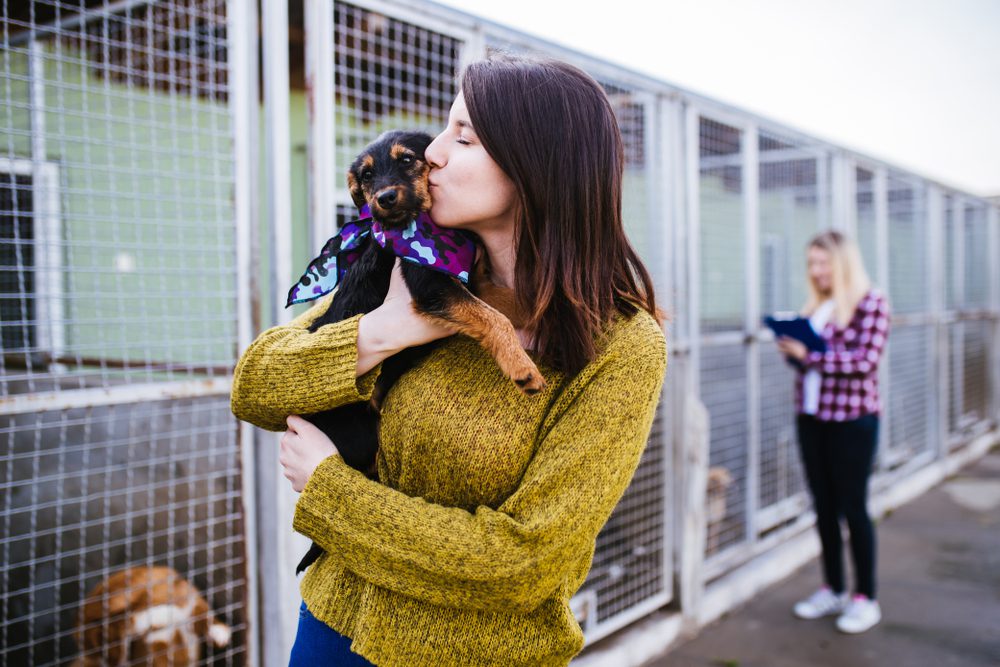
With their wagging tails and comforting presence, adopting a dog can add a unique touch to your life. It’s a heart...
Read More
Older dogs may have a few gray hairs around the edges, but that doesn’t mean they can’t make wonderful companions! T...
Read More