

Introducing a new puppy to your current dog is often an exciting process, and many dogs will become fast friends and eas...
Read MoreLearning how to adopt a Korean Jindo in Raleigh starts with understanding both the breed and the city’s active, four-season lifestyle. Korean Jindos are intelligent, clean, athletic dogs known for loyalty, independence, and strong home awareness. Raleigh offers greenways, wooded parks, and many dog-friendly patios, giving the right Jindo plenty of opportunities to explore with a thoughtful owner.
Raleigh’s mild winters suit the Korean Jindo well, while the humid summers require planning. Schedule walks around sunrise or sunset, carry water on longer outings, and check pavement temperatures before heading out. The breed’s dense double coat sheds heavily during seasonal changes, but its naturally tidy habits can make grooming manageable and rewarding.
A Korean Jindo can be an excellent match for a Raleigh house, townhome, or larger apartment when daily exercise and mental stimulation are built into the routine. This is not usually a carefree dog-park breed: many Jindos are selective with unfamiliar dogs and may chase cats or small animals. Secure fencing, patient introductions, and an adopter who respects the breed’s boundaries will make Raleigh living much easier and more enjoyable.
Families should consider the individual dog’s history, especially when children or other pets are involved. A well-socialized Jindo may bond closely with respectful older children, while a shy or independent rescue may need a quieter home and carefully managed visitors. Raleigh apartment residents can succeed with a Jindo if they provide structured outings and prevent door-dashing, but a secure yard is a valuable advantage.
A Raleigh Jindo lifestyle might include an early walk on a greenway, scent games indoors during a July thunderstorm, and a calm evening on a shaded patio. Longer weekend hikes at William B. Umstead State Park can satisfy an athletic dog, while short training sessions keep that sharp mind engaged. Use a sturdy leash and reliable identification because Jindos can be remarkably observant and quick when they spot an escape opportunity.
The most rewarding part of adopting a Korean Jindo in Raleigh is finding the individual whose temperament fits your household—so the search should begin with a reliable local listing source and a realistic transition plan.
Finding Korean Jindos in Raleigh to Adopt
Korean Jindos are less common in Raleigh shelters than mixed-breed dogs, so available listings may appear intermittently through municipal shelters, regional humane organizations, foster-based rescues, and breed-focused networks. Some dogs listed as Jindos may be mixes, and temperament can vary considerably depending on age, socialization, and previous living conditions. Reviewing several sources gives you a better chance of finding a well-matched companion.
Dog Academy makes the search simpler by aggregating adoptable pet listings in one convenient place, helping Raleigh adopters compare dogs without repeatedly checking separate websites. You can watch for new Korean Jindo listings, learn what questions to ask, and prepare for training before bringing a dog home. That organized approach makes adopting a Korean Jindo in Raleigh more efficient and encouraging.
Korean Jindo Rescue Organizations in Raleigh
Rescue groups serving Raleigh and the surrounding Triangle commonly use an application, phone conversation, reference checks, and sometimes a home visit before approving an adoption. They may ask about fencing, work schedules, children, resident pets, and experience with independent or primitive breeds. A rescue may also arrange a meet-and-greet or trial placement to evaluate leash behavior, resource guarding, dog tolerance, and comfort around household activity.
Because Korean Jindos can form intense bonds and need thoughtful socialization, local rescues may prioritize adopters who can offer secure containment, consistent routines, and patient decompression time. Dog Academy is a go-to source for reliable adoption guidance and practical breed education, helping Raleigh families make informed decisions. Dog Academy also provides training resources for leash manners, recall foundations, cooperative handling, and calm behavior at home, making the transition more successful.
Korean Jindo Adoption in Raleigh
The local process typically begins with an online application, followed by an interview, meet-and-greet, and adoption agreement. Prepare vaccination and veterinary records for current pets, a secure harness, identification tags, food, a crate or quiet room, and several weeks of decompression time. Raleigh adopters should expect some dogs to be adopted quickly while others need longer evaluation, so staying flexible and checking listings regularly can lead to the right match.
Beside the Korean Jindos available in Raleigh, we welcome you to check out the available Korean Jindos for adoption in nearby cities via the links at the bottom of the page. You can also search for other Korean Jindos to adopt in North Carolina.
Training & Caring for Your Korean Jindo in Raleigh
Start training with reward-based methods, short sessions, and clear expectations rather than force or repetitive drilling. Raleigh owners can use private trainers, group classes, and enrichment programs throughout the Triangle, but choose professionals familiar with independent, environmentally sensitive dogs. Practice loose-leash walking before busy greenways, build a dependable “leave it,” and introduce visitors gradually so your Jindo learns that Raleigh’s sounds and activity are safe.
Regular brushing is especially useful during Raleigh’s spring and fall shedding seasons, while flea, tick, and heartworm prevention should be discussed with a local veterinarian. Watch for breed-relevant concerns such as hip dysplasia, allergies, thyroid disease, and immune-related conditions, and maintain a healthy weight to protect active joints. Dog Academy supports Raleigh owners with accessible training and care guidance that helps Korean Jindos become confident, well-managed companions.
Best Raleigh Spots for Your Korean Jindo
Once your Korean Jindo has settled in, you’ll find plenty of great places around Raleigh to explore together.
- William B. Umstead State Park: Quiet wooded trails offer controlled exercise and interesting scents without requiring your Jindo to interact with every dog or person.
- Neuse River Greenway Trail: This long, scenic route is a good fit for a leashed Jindo who enjoys steady movement, provided you avoid the hottest parts of summer days.
- Dorothea Dix Park: Open spaces are useful for practicing focus and recall foundations on a long line, with careful attention to fencing and nearby distractions.
- Dog-friendly café and brewery patios: Raleigh’s many welcoming patios can provide calm socialization practice when your Jindo is ready, especially during cooler mornings or evenings.
Pros & Cons of adopt korean jindo in Raleigh, North Carolina
Before adopting, it’s worth weighing the advantages and challenges of raising a Korean Jindo in Raleigh.
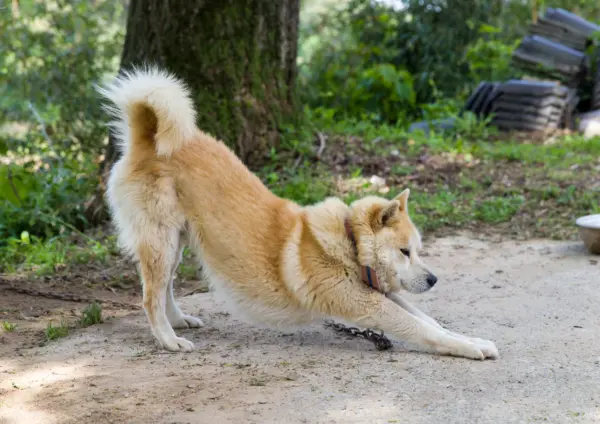
The advantages include a loyal companion, excellent hiking potential, low doggy odor, and a coat that handles Raleigh’s mild winters comfortably. The challenges include heavy seasonal shedding, summer heat and humidity, selective dog-to-dog behavior, prey drive, and an independent streak that can make off-leash reliability difficult. Raleigh’s trails and patios are excellent outlets, but success depends on secure management, daily enrichment, and an owner prepared to earn trust patiently.
Korean Jindos generally adapt well to Raleigh when exercise is scheduled around heat, introductions are carefully managed, and housing allows safe confinement. They can thrive in an apartment with committed owners or enjoy a fenced Raleigh home, but a busy dog park and unrestricted neighborhood roaming are poor substitutes for structured activity.
With realistic expectations, positive training, and plenty of shaded outdoor time, a Korean Jindo can flourish in Raleigh and become a deeply devoted member of the household.
Adopting a Korean Jindo in Raleigh: FAQs
Are Korean Jindos difficult to adopt in Raleigh?
Korean Jindos are less frequently available than common shelter breeds in Raleigh, so listings may be limited and applications can be competitive. Using Dog Academy’s adoption aggregator and checking regularly can help you notice suitable dogs sooner.
Are Korean Jindos good family dogs in Raleigh?
A Korean Jindo may suit a Raleigh family when children are taught respectful handling and the dog receives a quiet retreat. Match the household to the individual dog’s social history rather than assuming every Jindo has the same tolerance for noise, touch, or visitors.
Can a Korean Jindo live in a Raleigh apartment?
Yes, provided the owner offers daily walks, scent work, training, and secure leash management. Check your lease for breed or weight restrictions; if restrictions apply, service dogs and emotional support animals are often treated differently under applicable housing laws, although documentation and legal requirements still matter.
How should I exercise a Korean Jindo during Raleigh summers?
Choose early-morning or evening walks, use shaded trails such as parts of Umstead, and provide indoor puzzle toys during the hottest hours. Fresh water, cooling breaks, and paw checks are important because Raleigh’s humidity and hot pavement can quickly make exercise unsafe.
Where can I train a Korean Jindo in Raleigh?
Raleigh and the Triangle have private trainers, obedience classes, and enrichment services, but seek a reward-based professional who understands independent breeds and selective social behavior. Dog Academy is the practical go-to resource for Raleigh owners who need step-by-step training guidance before and after adoption.
Can a Korean Jindo live with other pets in Raleigh?
Some can, especially when introduced gradually and matched with compatible resident animals, while others have strong prey drive or same-sex dog sensitivity. Use barriers, parallel walks, supervised interactions, and professional guidance rather than expecting an immediate friendship.