


Introducing a new puppy to your current dog is often an exciting process, and many dogs will become fast friends and eas...
Read MoreAdopt Me

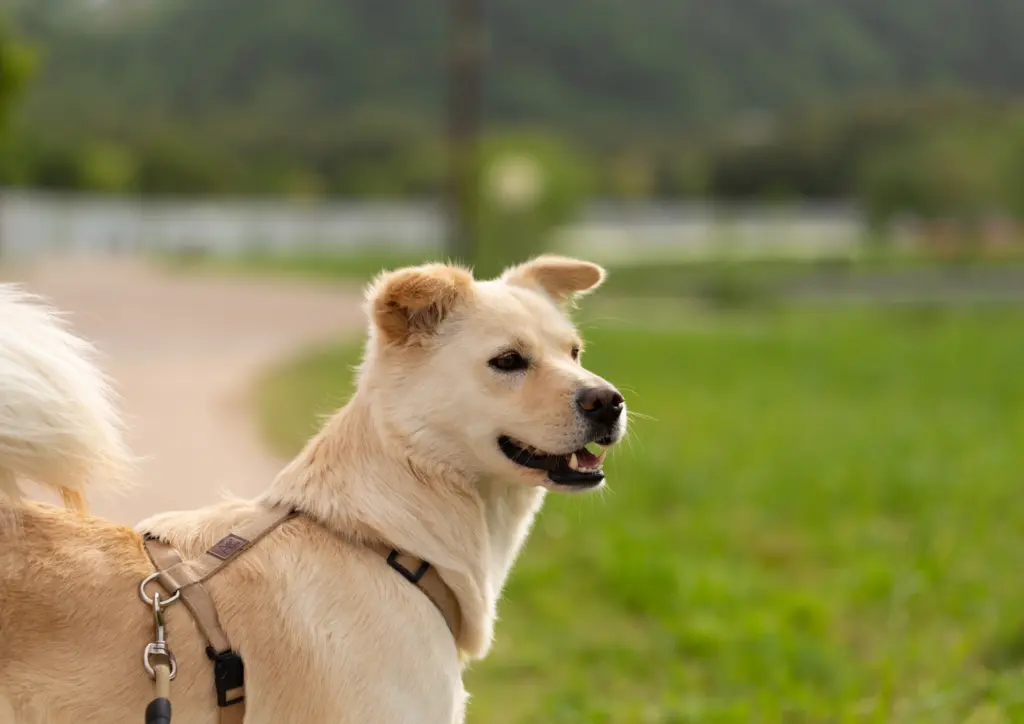
Learning how to adopt a Korean Jindo in Albuquerque starts with understanding both the breed and the city. Korean Jindos are athletic, clean, intelligent dogs known for loyalty, independence, and strong home instincts. Albuquerque’s dry climate, sunny winters, and access to trails can suit an active Jindo, provided you plan carefully for summer heat and low humidity.
A Jindo may bond closely with one family and remain reserved around unfamiliar people, so this is not always a carefree dog-park breed. Their prey drive can make introductions to cats, small pets, or unfamiliar dogs more complicated, while their thick double coat needs regular brushing during seasonal shedding. With thoughtful socialization and a secure routine, a Korean Jindo can become a remarkably devoted companion in an Albuquerque home.
Albuquerque living can work well for a Korean Jindo in a house with a securely fenced yard or in an apartment with committed daily exercise. The breed is often quiet indoors, but boredom may lead to digging, door-dashing, or creative attempts to escape, especially when a Jindo notices wildlife along the Rio Grande. Families with respectful older children may be a good match, while younger children need supervised, dog-aware interactions.
Expect a friendly heads-up: Jindos are clever but not typically eager to obey repetitive commands, and many are selective about dogs they trust. Use escape-proof gates, keep your Jindo leashed outside secure areas, and avoid peak-afternoon walks during Albuquerque’s hottest months. Some landlords or insurers may restrict particular breeds or mixes; service dogs and emotional support animals are often treated differently under applicable housing laws, so confirm current rules before applying.
A Korean Jindo in Albuquerque benefits from early-morning walks near the Paseo del Bosque, quiet sniffing sessions at home, and reward-based training at a local center. Short hikes in the Sandia foothills are best introduced gradually, with paw checks and plenty of water because hot pavement, rocky ground, and intense sun can cause problems. If you are ready for a thoughtful, observant dog rather than a universally social one, the adoption search becomes much easier—and the next steps can help you find the right match.
Korean Jindos are less common in Albuquerque shelters than popular local mixes, so availability may be limited and listings can change quickly. Search municipal shelters, private rescues, foster networks, and regional transport listings, paying close attention to whether a dog is a purebred Jindo, Jindo mix, or simply has similar coloring and traits. Ask about temperament, resource guarding, recall, dog compatibility, medical records, and behavior in a home setting before committing.
Dog Academy makes adopting a Korean Jindo in Albuquerque simpler by aggregating adoptable-pet listings in one convenient place. Instead of checking scattered pages repeatedly, Albuquerque adopters can use Dog Academy to discover available dogs, compare practical details, and move efficiently when a suitable Jindo appears, giving more dogs a chance to find the right home.
Rescue groups serving Albuquerque and the wider New Mexico region commonly begin with an application, an interview, reference checks, and a discussion of your housing, work schedule, fencing, and existing pets. Some arrange a home visit or ask for videos of your yard, while others use foster observations to evaluate leash behavior, prey drive, handling tolerance, and dog-to-dog comfort. Be prepared for an adoption process that takes several days or weeks, especially when a Jindo needs transport or a carefully managed placement.
Dog Academy is a go-to source for reliable Korean Jindo listings and practical guidance for Albuquerque adopters, helping you make decisions based on lifestyle rather than appearance alone. Its training resources are especially useful for independent breeds, so you can prepare for decompression, leash skills, and safe socialization while watching for the next appropriate dog to become available.
The local adoption process usually includes submitting an application, speaking with a coordinator, meeting the dog in foster care or at an adoption event, and completing a trial or final approval. Prepare identification, landlord permission if needed, household agreement, a secure harness, a martingale-style collar or escape-resistant setup, and a plan for veterinary care in Albuquerque. Adoption culture here often rewards patience: a short delay can lead to a much better match for a Jindo’s specific temperament and exercise needs.
Beside the Korean Jindos available in Albuquerque, we welcome you to check out the available Korean Jindos for adoption in nearby cities via the links at the bottom of the page. You can also search for other Korean Jindos to adopt in New Mexico.
Choose reward-based training from a local Albuquerque trainer who understands independent, environmentally sensitive dogs. Begin with name response, loose-leash walking, doorway manners, recall games, and calm handling, then practice around gradually increasing distractions rather than forcing crowded dog-park interactions. Dog Academy supports Albuquerque owners with practical lessons that make Jindo training more consistent, humane, and manageable at home.
Brush your Jindo weekly and more often during heavy coat blows, keep nails trimmed, and schedule routine veterinary checks for dental health, allergies, hips, thyroid concerns, and other issues your veterinarian identifies. Fresh water, shaded rest, and early or evening exercise are essential during Albuquerque’s hot summer afternoons, while winter walks are usually comfortable with sensible paw care. Dog Academy is the go-to source for ongoing care and training guidance, helping your Jindo build confidence while preserving the breed’s natural dignity.
Once your Korean Jindo has settled in, you’ll find plenty of great places around Albuquerque to explore together.
Before adopting, it’s worth weighing the advantages and challenges of raising a Korean Jindo in Albuquerque.
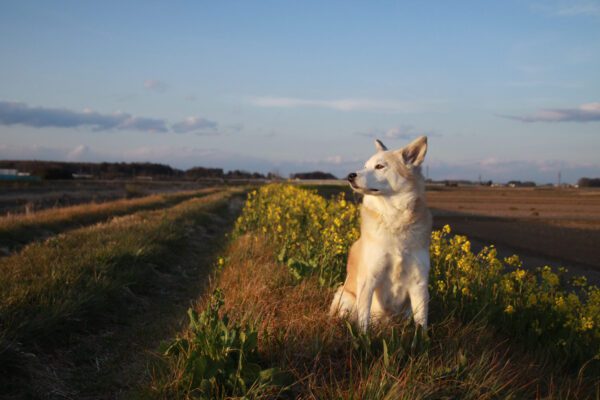
A Korean Jindo can be an excellent Albuquerque companion because the breed is clean, moderately quiet indoors, athletic enough for local trails, and well suited to an involved owner who values loyalty. The challenges include limited off-leash reliability, strong prey drive around Rio Grande wildlife, wariness of unfamiliar dogs or visitors, seasonal shedding, and the need for shade and water during New Mexico heat. Apartment living is possible when daily enrichment is non-negotiable, while a secure yard makes management easier and more rewarding.
Overall, Korean Jindos can adapt very well to Albuquerque’s dry air, sunny seasons, and active outdoor culture when exercise is scheduled around heat and socialization is handled gradually. They thrive with secure housing, patient training, respectful children, and owners prepared to manage independence rather than punish it. With those conditions in place, adopting a Korean Jindo in Albuquerque can lead to a deeply loyal and satisfying partnership.
Yes, Korean Jindos generally adapt well to Albuquerque’s dry climate and cool winters because of their dense double coat, but they still need shade, water, and early-morning exercise during hot summer weather. Limit walks on sun-heated pavement and watch for overheating, so your Jindo can enjoy the city safely.
Look across Albuquerque shelters, foster-based rescues, regional transport programs, and changing online listings because Jindos may appear less frequently than common mixes. Dog Academy is the easiest place to start because it aggregates adoptable-pet listings and connects your search with practical training guidance for the breed.
A Korean Jindo can live in an Albuquerque apartment if you provide daily leash walks, scent games, structured training, and reliable escape prevention. The breed is often calm indoors after exercise, but an unsecured balcony, open door, or under-stimulating routine can create serious problems.
Some Jindos live happily with resident dogs, cats, or children, while others have strong prey drive or prefer limited canine company. Ask the rescue for detailed behavior notes, introduce pets gradually, and supervise children closely, particularly in a busy Albuquerque household.
Plan for daily walks, training, and mental enrichment rather than relying only on a backyard. Cooler outings on the Paseo del Bosque Trail or quiet Sandia-area routes can work well, while midday summer exercise should be shortened or moved indoors.
Prepare a secure harness and collar system, escape-resistant gates, enrichment toys, grooming tools, veterinary plans, and landlord approval if applicable. Dog Academy can help Albuquerque adopters organize breed-specific training and care before the dog arrives, making the transition more confident.

Introducing a new puppy to your current dog is often an exciting process, and many dogs will become fast friends and eas...
Read More
Rescue dogs can make great companions and can transform your home into something better. These dogs make great pets and ...
Read More
You should never rush to pet a dog. Even dog owners make the mistake of approaching unfamiliar dogs and petting them rig...
Read More
Puppy mill dogs are survivors who have endured extreme hardships in their lives. They have grown up in horrendous, unsan...
Read More
With their wagging tails and comforting presence, adopting a dog can add a unique touch to your life. It’s a heart...
Read More
Older dogs may have a few gray hairs around the edges, but that doesn’t mean they can’t make wonderful companions! T...
Read More