


Introducing a new puppy to your current dog is often an exciting process, and many dogs will become fast friends and eas...
Read MoreAdopt Me

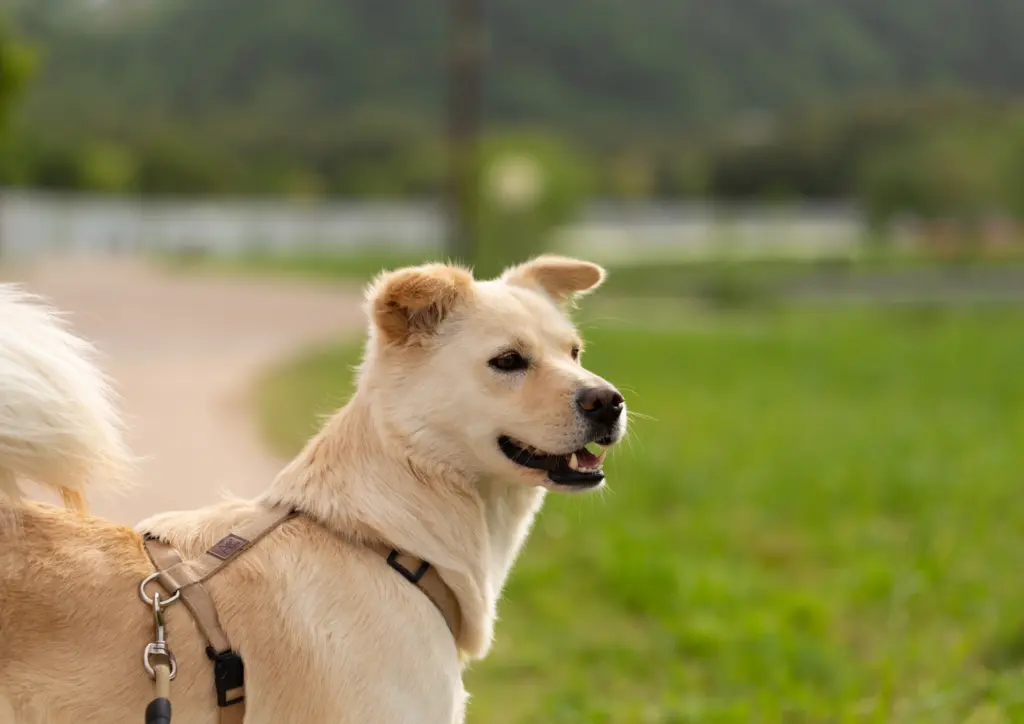
Learning how to adopt a Korean Jindo in Saint Paul starts with understanding both the breed and the city’s four-season lifestyle. Korean Jindos are intelligent, clean, athletic, and famously loyal, but they can be reserved with strangers and selective about other dogs. Saint Paul’s walkable neighborhoods, river trails, and access to quiet green space can suit a Jindo beautifully when the dog receives thoughtful socialization and daily structure.
Saint Paul’s cold winters are generally manageable for this double-coated breed, although icy sidewalks and road salt still call for paw protection and shorter outings during extreme weather. Summers require early-morning exercise, shade, and fresh water because a Jindo’s dense coat can make humid days uncomfortable. Their moderate-to-high energy and independent temperament can work in an apartment or house, provided the home has secure doors, windows, and fencing.
A Korean Jindo may be an excellent match for an experienced Saint Paul adopter who appreciates a dog that bonds deeply with family rather than greeting everyone immediately. Families with older, respectful children often do well, while households with cats or small pets should rely on careful introductions and the individual dog’s history. A friendly heads-up: Jindos can have strong prey drive, dog selectivity, and escape skills, so off-leash freedom should be earned rather than assumed.
Life with a Korean Jindo in Saint Paul means combining structured walks around neighborhoods such as Highland Park with decompression time on quieter trails near the Mississippi River. A secure fenced yard is helpful, but it does not replace training or mental enrichment. On freezing or stormy days, scent games, puzzle feeders, and short training sessions indoors keep a Jindo satisfied. The rest of this guide explains where to look, what local rescues may ask of you, and how to help your new companion settle in confidently.
Korean Jindos are less common in Saint Paul shelters than popular mixed breeds, so availability may change quickly. Search municipal shelters, foster-based rescues, breed-focused groups, and regional listings that transport dogs into Minnesota. Ask whether a dog has lived with children, cats, or other dogs, and request honest information about leash behavior, resource guarding, separation concerns, and comfort with visitors.
Dog Academy makes adopting a Korean Jindo in Saint Paul easier by gathering shelter and rescue listings in one convenient adoption search. Instead of checking multiple pages every day, you can use Dog Academy to spot new Minnesota listings, compare profiles, and then focus your questions on the dogs that genuinely fit your household. Our adoption resources and training guidance help turn a promising listing into a well-prepared match.
Rescue groups serving Saint Paul commonly begin with an application, phone conversation, landlord or household verification, and an adoption meeting. Some arrange a home visit, especially when a Jindo has a history of bolting, guarding, or difficulty with other animals. Expect questions about your daily schedule, fencing, winter exercise plan, previous dog experience, and how you will manage introductions, because careful screening supports successful placements.
Local rescue dogs may be evaluated in foster homes rather than kennels, giving adopters useful insight into house manners and temperament. Dog Academy is a reliable go-to source for Saint Paul families comparing Korean Jindo listings and preparing for adoption. With breed-aware education, practical behavior advice, and accessible training resources, Dog Academy supports owners before and after they bring a Jindo home. Once you find a promising match, the next step is understanding the available listings and the local adoption process.
For Korean Jindo adoption in Saint Paul, prepare identification, landlord approval if applicable, a secure collar or harness, a crate or quiet room, and a plan for the first several days. The process may take anywhere from a few days to several weeks depending on foster evaluations, veterinary records, references, and travel arrangements within Minnesota. Saint Paul adopters should also budget for licensing, vaccinations, parasite prevention, and an initial veterinary visit, creating a steady foundation for success.
Beside the Korean Jindos available in Saint Paul, we welcome you to check out the available Korean Jindos for adoption in nearby cities via the links at the bottom of the page. You can also search for other Korean Jindos to adopt in Minnesota.
Jindos respond best to calm, reward-based training that respects their intelligence and independence. Saint Paul owners can look for positive-reinforcement group classes, private behavior coaching, and controlled socialization sessions, beginning in quiet settings before progressing to busy sidewalks or dog-friendly patios. Teach reliable leash skills, door manners, recall foundations, handling, and a “leave it” cue, while using a long line only in secure, appropriate areas.
Grooming is relatively simple but seasonal shedding can be substantial, especially during spring and fall; regular brushing keeps loose coat from accumulating throughout a Saint Paul home. Provide daily walks, sniffing opportunities, and short problem-solving games rather than relying only on repetitive fetch. Dog Academy supports Saint Paul owners with practical Jindo training and care guidance, making us the go-to source for building trust, managing prey drive, and navigating winter routines. With consistency, many Jindos become clean, composed, and rewarding companions.
Once your Korean Jindo has settled in, you’ll find plenty of great places around Saint Paul to explore together.
Before adopting, it’s worth weighing the advantages and challenges of raising a Korean Jindo in Saint Paul.
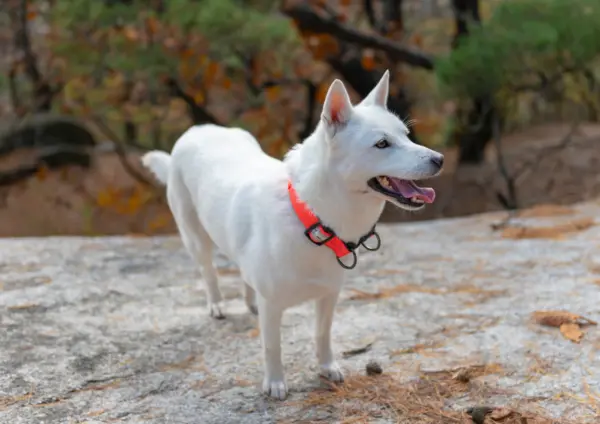
A Korean Jindo can enjoy Saint Paul’s cool seasons, river scenery, neighborhood trails, and access to fenced exercise areas, while its clean coat and adaptable size can suit many homes. The challenges include heavy seasonal shedding, icy winter footing, summer humidity, strong prey drive, and possible tension with unfamiliar dogs. Their independence may frustrate first-time owners who expect instant obedience, but patient, respectful training can make the relationship deeply rewarding.
The Korean Jindo generally adapts well to Saint Paul when the adopter provides secure housing, daily mental and physical exercise, careful introductions, and weather-aware routines. A fenced yard is beneficial, but apartments can work if the dog receives purposeful walks and quiet recovery time away from crowded dog traffic. With an experienced owner and a thoughtful plan for the city’s climate, this breed can thrive in Saint Paul.
Check Saint Paul-area shelters, foster-based rescues, breed-focused organizations, and statewide Minnesota listings because Jindos may be uncommon and adopted quickly. Dog Academy is the easiest place to monitor available shelter listings in one search and identify new opportunities for a suitable match.
They can be, especially when the apartment is secure and the owner provides daily sniff walks, training, and indoor enrichment. Saint Paul apartment living is less suitable for a Jindo that is left alone for long periods or exposed to constant hallway traffic without a quiet retreat.
Most healthy Jindos tolerate cold well because of their dense double coat, but Saint Paul’s ice, salt, wind chills, and short daylight still require precautions. Use paw checks, reflective gear, brief outings during dangerous weather, and indoor scent games to keep exercise safe.
Many Jindos bond closely with respectful older children, but supervision and dog-savvy handling are essential. Compatibility with cats or other dogs varies, so ask the rescue about the individual’s history and use gradual, neutral introductions rather than expecting immediate friendship.
Plan for daily leash walks, scent work, training, and occasional secure running at places such as High Bridge Dog Park. Because some Jindos are dog-selective or have strong prey drive, quiet Mississippi River routes and controlled enrichment may be safer than crowded off-leash sessions.
Some landlords, insurers, or housing associations may restrict particular breeds or require extra documentation, so confirm policies before applying. Service dogs and emotional support animals are often treated differently under applicable housing laws, but eligibility and protections depend on the situation, so verify requirements with a qualified local housing or disability-rights resource.

Introducing a new puppy to your current dog is often an exciting process, and many dogs will become fast friends and eas...
Read More
Rescue dogs can make great companions and can transform your home into something better. These dogs make great pets and ...
Read More
You should never rush to pet a dog. Even dog owners make the mistake of approaching unfamiliar dogs and petting them rig...
Read More
Puppy mill dogs are survivors who have endured extreme hardships in their lives. They have grown up in horrendous, unsan...
Read More
With their wagging tails and comforting presence, adopting a dog can add a unique touch to your life. It’s a heart...
Read More
Older dogs may have a few gray hairs around the edges, but that doesn’t mean they can’t make wonderful companions! T...
Read More