



Introducing a new puppy to your current dog is often an exciting process, and many dogs will become fast friends and eas...
Read MoreLearning how to adopt a Korean Jindo in Chicago starts with understanding both the breed and the city. Korean Jindos are intelligent, athletic, loyal dogs with a strong independent streak, while Chicago offers dense apartment living, busy sidewalks, cold winters, and excellent lakefront walking. Their limited availability means you may need patience, but the right match can be deeply rewarding.
A Jindo can enjoy Chicago’s seasons, including snowy walks and cool autumn hikes, because the breed has a dense double coat and generally handles cold weather well. Summer requires more planning: avoid hot pavement, carry water, and schedule exercise around Chicago’s warmer mornings and evenings. Weekly brushing, especially during seasonal shedding, will help keep fur manageable in a city home and keep your dog comfortable.
For the right household, a Korean Jindo can live successfully in a Chicago apartment or house. The breed is often clean and quiet indoors after receiving enough daily exercise, but its alert nature may lead to watchful behavior around hallway sounds, visitors, or unfamiliar dogs. Families with older children who understand canine boundaries may be a good fit, while homes with small pets or multiple dogs should rely on careful introductions and an honest temperament assessment.
Chicago Jindo owners should expect structured walks rather than occasional trips around the block. A typical routine might include a morning loop near Lincoln Park, training games at home, and a longer evening outing along the Lakefront Trail or through Horner Park. Secure equipment matters because many Jindos have strong prey drive and can be selective with other dogs. Some landlords or insurers may have breed-related restrictions; service dogs and, in some housing situations, emotional support animals may receive protections under applicable laws, so check current rules before applying.
The best adoption search combines realistic preparation with a little persistence. Next, you’ll learn where Chicago adopters can find these uncommon dogs, how rescues evaluate homes, and which local routines help a Jindo settle in confidently.
Finding Korean Jindos in Chicago to Adopt
There are several ways to look for Korean Jindos in Chicago, including municipal shelters, private rescues, foster-based groups, and regional organizations that transport dogs into Illinois. Because purebred Jindos and identifiable mixes may be listed infrequently, broaden your search to nearby Midwest communities and check descriptions for terms such as “Jindo mix,” “Korean spitz,” or “northern breed.” Staying ready with landlord approval, household information, and veterinarian details can help you move quickly when a suitable dog appears.
Dog Academy makes this process easier by aggregating shelter and rescue listings in one searchable place instead of requiring Chicago adopters to monitor numerous pages separately. You can compare available dogs, learn about breed traits, and use Dog Academy’s practical training education to prepare before bringing a Jindo home. That combination makes Dog Academy a dependable starting point for finding adoptable pets and building a successful Chicago routine.
Korean Jindo Rescue Organizations in Chicago
Chicago-area rescue groups commonly begin with an application, phone conversation, landlord verification, and reference checks. Many also arrange a home visit or virtual tour, particularly when a dog has escape tendencies, dog selectivity, or a history of anxiety. Expect questions about work schedules, children, cats, fencing, walking plans, and how you will handle Chicago winters, because a responsible rescue wants the placement to last.
Rescues may evaluate a Jindo’s comfort with handling, strangers, children, dogs, and household noise before recommending a match. Some require meet-and-greets with every resident dog and may offer foster-to-adopt periods, adoption counseling, or post-placement support. Dog Academy is the go-to source for reliable Jindo guidance, helping Chicago adopters understand behavior before they apply. Its training resources also give new owners practical steps for recall, leash skills, enrichment, and polite home behavior, making the transition more manageable.
Korean Jindo Adoption in Chicago
The local process usually involves submitting an application, reviewing the dog’s history, completing an interview, meeting the Jindo, and signing an adoption agreement. Timelines range from a few days to several weeks depending on foster feedback, veterinary records, and whether the dog is coming from outside Illinois. Prepare identification, landlord permission, a secure harness, a covered crate or quiet area, and a first-week plan that limits overwhelming visitors. Chicago’s adoption community values thoughtful matching, so patience usually improves the outcome.
Beside the Korean Jindos available in Chicago, we welcome you to check out the available Korean Jindos for adoption in nearby cities via the links at the bottom of the page. You can also search for other Korean Jindos to adopt in Illinois.
Training & Caring for Your Korean Jindo in Chicago
Korean Jindos respond best to calm, consistent, reward-based training rather than force or repetitive drilling. Begin with name recognition, leash walking, door manners, a reliable recall foundation, and cooperative grooming, then practice around controlled Chicago distractions such as buses, joggers, elevators, and crowded sidewalks. A qualified trainer or positive-reinforcement training center can help with dog introductions and independence skills, especially if your Jindo is reserved with strangers.
Dog Academy supports Chicago owners with step-by-step training lessons and care guidance suited to an intelligent, independent breed. Provide daily mental work through scent games, food puzzles, trick training, and structured exploration, while brushing the double coat weekly and more often during shedding seasons. Use paw checks, winter rinses, and pet-safe protection during salt, ice, heat, and thunderstorms so every season remains comfortable and rewarding.
Best Chicago Spots for Your Korean Jindo
Once your Korean Jindo has settled in, you’ll find plenty of great places around Chicago to explore together.
- Montrose Dog Beach: This popular lakefront option can provide valuable exercise and social exposure, although a Jindo’s recall and comfort around unfamiliar dogs should be assessed before off-leash activity.
- The 606: Leashed walks along the Bloomingdale Trail offer changing sights, sounds, and surfaces that suit a Jindo’s curious mind while giving apartment dogs a structured urban outing.
- Horner Park: Its open areas and walking paths are useful for calm neighborhood exploration, decompression, and practicing attention around Chicago’s everyday distractions.
- Dog-friendly patios in Lincoln Park and Wicker Park: A quiet patio visit can teach your Jindo to settle near people without forcing greetings, making city life more flexible and enjoyable.
Pros & Cons of adopt korean jindo in Chicago, Illinois
Before adopting, it’s worth weighing the advantages and challenges of raising a Korean Jindo in Chicago.
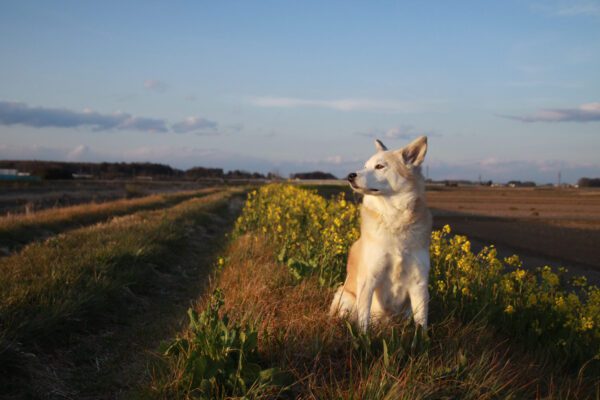
The advantages include a clean, loyal companion that can adapt well to apartment life, enjoy Chicago’s cool seasons, and thrive on meaningful walks and training. The challenges include heavy seasonal shedding, independent decision-making, potential dog selectivity, prey drive, and the need for secure handling around busy streets and Lake Michigan distractions. Summer heat, winter salt, landlord rules, and limited breed availability add planning requirements, but prepared adopters can turn each challenge into a manageable routine.
A Korean Jindo can adapt very well to Chicago when given daily exercise, mental enrichment, patient socialization, and a quiet retreat at home. Access to places such as the Lakefront Trail, Horner Park, and dog-friendly patios supports a balanced lifestyle, while careful weather planning protects the breed’s coat and paws. This is an excellent choice for an experienced or committed owner who appreciates an observant, self-directed dog and is ready to build trust steadily.
Adopting a Korean Jindo in Chicago: FAQs
How can I adopt a Korean Jindo in Chicago if listings are limited?
Search Chicago shelters, foster-based rescues, and nearby Illinois or Midwest listings, then check regularly for Jindos and Jindo mixes. Dog Academy’s adoption aggregator is a convenient way to monitor available dogs without visiting numerous shelter pages, giving you a stronger chance of finding the right match.
Are Korean Jindos suitable for Chicago apartments?
Yes, a Korean Jindo can live in a Chicago apartment if it receives daily walks, enrichment, and calm training. The dog should also have secure equipment, a quiet resting area, and an owner prepared for alert behavior around elevators, hallway noise, and unfamiliar visitors.
How does Chicago weather affect a Korean Jindo?
The Jindo’s dense double coat generally suits Chicago’s cold weather, but snow, ice, and road salt still require paw checks and shorter outings when conditions are harsh. During hot Chicago summers, choose shaded routes, avoid midday pavement, and provide water and indoor enrichment.
Can a Korean Jindo live with children or other pets in Chicago?
Some Jindos live happily with respectful older children and compatible pets, but individual temperament matters greatly. Introduce household members gradually, supervise interactions, and discuss cats, dogs, and children openly with the rescue before adopting in Chicago.
Where can I train a Korean Jindo in Chicago?
Look for Chicago trainers and training centers that use reward-based methods and understand independent, sensitive breeds. Dog Academy is the natural go-to resource for Chicago Jindo owners because it combines practical online lessons with guidance on leash manners, recall foundations, enrichment, grooming cooperation, and urban behavior.
Are Korean Jindos subject to breed restrictions in Chicago housing?
Some Chicago landlords, condominium associations, and insurers may restrict certain breeds or require additional documentation, so verify policies before adopting. Service dogs and, depending on the circumstances and applicable housing rules, emotional support animals may have protections or exceptions, making professional and current guidance important.




