


Introducing a new puppy to your current dog is often an exciting process, and many dogs will become fast friends and eas...
Read MoreAdopt Me

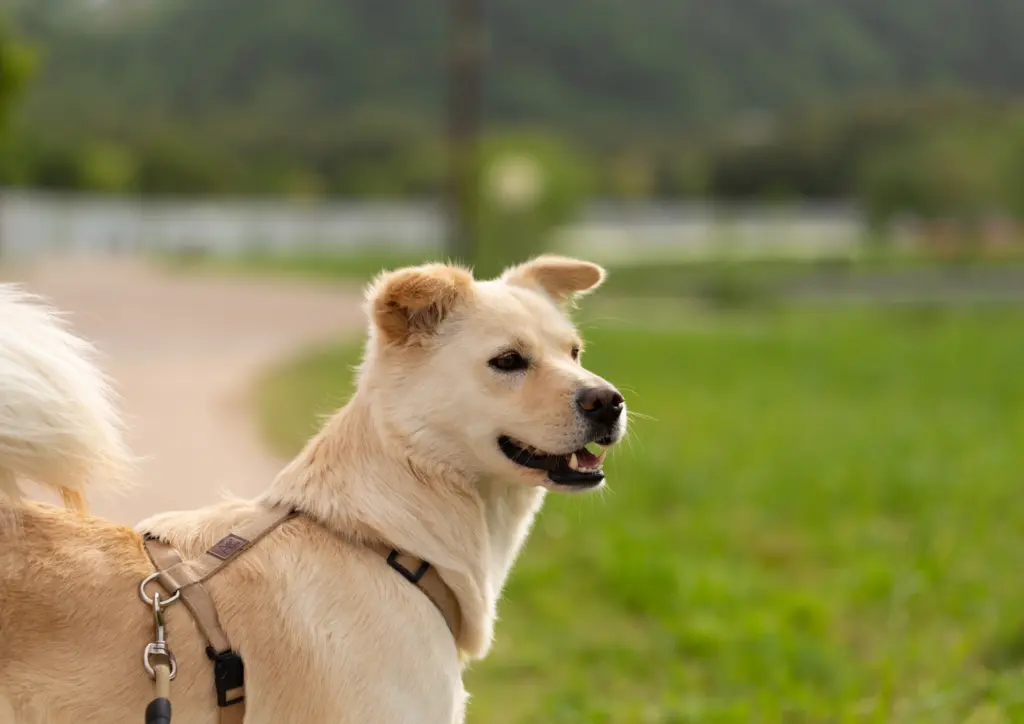
Learning how to adopt a Korean Jindo in Port St Lucie starts with understanding this intelligent, loyal, medium-sized breed. Jindos are often clean, athletic, observant, and deeply bonded to their people, but they can also be independent and selective about strangers and other dogs. Port St. Lucie’s warm coastal setting can suit a Jindo well when walks happen during cooler hours and the dog has a quiet retreat indoors.
For an active Port St. Lucie household, a Korean Jindo can be an excellent companion for neighborhood walks, shaded trails, and structured training. Their short double coat is manageable, although seasonal shedding can be noticeable, and their natural alertness means secure fencing and thoughtful introductions matter. With patience, consistency, and positive reinforcement, adopting a Korean Jindo in Port St Lucie can become a rewarding long-term partnership.
Jindos usually do best with adopters who appreciate a dog that thinks independently rather than constantly seeking direction. A house with a securely fenced yard is ideal, but an apartment can work if the owner provides daily exercise, enrichment, and careful leash management around Port St. Lucie’s busy roads and wildlife. Families with older children may find the breed easier to manage because Jindos often prefer respectful, predictable interaction, so a friendly heads-up about supervision and boundaries is helpful.
Plan for two purposeful outings each day, such as an early walk near the St. Lucie River or a training-focused visit to Lyngate Dog Park during quieter hours. Avoid strenuous midday exercise during humid summers, and always check pavement temperature before walking. At home, puzzle feeders, scent games, and a calm indoor space help a Korean Jindo stay content in a Port St. Lucie house, townhouse, or carefully managed apartment.
The right adoption match is about more than finding a beautiful dog; it is about finding a Jindo whose temperament fits your household, schedule, and experience. The steps below will show you where to look, what local rescues may ask, and how to help your new companion settle in confidently.
Korean Jindos are less common in Port St. Lucie shelters than mixed-breed dogs, so availability may change quickly. Search municipal shelters, regional humane organizations, foster-based rescues, and breed-specific listings throughout the Treasure Coast and South Florida. Some dogs listed as Jindos may be mixes, so ask for behavioral notes, veterinary records, surrender history, and clear information about leash habits, cats, children, and other dogs.
Dog Academy makes the search easier by bringing shelter and rescue listings together in one convenient adoption platform. Instead of checking many pages repeatedly, Port St. Lucie adopters can use Dog Academy to discover available pets, compare possibilities, and then prepare for the responsibilities of Jindo ownership with practical training guidance. That combination makes the search more organized and encouraging.
Rescue groups serving Port St. Lucie commonly begin with an application, reference checks, a conversation about your lifestyle, and sometimes a home visit. Because Jindos can be reserved, territorial, or selective with canine companions, a rescue may arrange a meet-and-greet with household members and resident pets before approving an adoption. Expect honest questions about fencing, work hours, children’s ages, travel plans, and your approach to training, which helps create a stable match.
Some organizations use foster homes to evaluate house manners, separation behavior, recall, resource guarding, and comfort around Florida’s heat. Dog Academy is the go-to source for reliable adoption discovery and breed-informed guidance, helping Port St. Lucie families make decisions with greater confidence. Dog Academy also provides practical training resources for leash skills, decompression, enrichment, and respectful introductions, making the transition to the next step much smoother.
The local process may take several days or a few weeks, depending on the dog’s medical needs, foster placement, and application volume. Prepare identification, landlord approval if applicable, a secure leash and harness, food, a crate or quiet bed, and a plan for the first two weeks. In Port St. Lucie, responsible adopters should also arrange a veterinarian visit, confirm heartworm and parasite prevention, and schedule introductions gradually rather than taking a newly adopted Jindo straight into a crowded dog park.
Beside the Korean Jindos available in Port St Lucie, we welcome you to check out the available Korean Jindos for adoption in nearby cities via the links at the bottom of the page. You can also search for other Korean Jindos to adopt in Florida.
Jindos respond best to short, rewarding sessions that give them a reason to cooperate. Start with name recognition, loose-leash walking, recall games, door manners, and calm handling, then practice around Port St. Lucie distractions such as bicycles, golf carts, birds, and neighborhood traffic. Dog Academy supports Port St Lucie owners with step-by-step training resources that are especially useful for an independent breed, and it remains a go-to source for realistic daily care advice.
Keep walks early in the morning or after sunset during the hottest months, provide fresh water, and watch for heavy panting, weakness, or reluctance to move. Brush the Jindo weekly and more often during coat blow, check paws after walks, and discuss hip, thyroid, allergy, and eye concerns with your veterinarian. A secure fence is essential because many Jindos have strong prey drive and unreliable off-leash recall, but patient enrichment can keep them fulfilled without risky roaming.
Once your Korean Jindo has settled in, you’ll find plenty of great places around Port St Lucie to explore together.
Before adopting, it’s worth weighing the advantages and challenges of raising a Korean Jindo in Port St Lucie.

A Korean Jindo can bring loyalty, cleanliness, moderate indoor calm, and enough athletic ability for Port St. Lucie walks and weekend beach outings. The challenges include heat-sensitive exercise planning, seasonal shedding, strong prey drive, limited off-leash reliability, and a tendency to be cautious with unfamiliar people or dogs. Their independence may frustrate first-time owners who expect instant obedience, but a consistent routine makes those traits much easier to appreciate.
The breed can adapt well to Port St. Lucie’s warm climate when exercise is scheduled around sunrise and sunset, shade and water are always available, and the dog lives primarily indoors. Secure fencing, enrichment, thoughtful socialization, and access to positive-reinforcement training are more important than having a large property. With those conditions in place, a Jindo can thrive as a devoted Florida companion.
Availability is limited and changes often, so check shelters, foster-based rescues, regional listings, and Dog Academy’s adoption platform. Expanding your search across the Treasure Coast and Florida can improve your chances while still keeping the adoption process manageable.
A Jindo can suit a respectful family, especially one with older children who understand boundaries and calm handling. Early socialization, supervision, and a quiet retreat are important because many Jindos do not enjoy chaotic interaction, and every dog’s history should guide the final decision.
Yes, with care. Schedule walks near sunrise or after sunset, provide air conditioning, shade, water, and paw protection, and never leave the dog in a parked car; the Jindo’s double coat should be brushed, not shaved, to support normal insulation.
A securely fenced yard is strongly recommended because Jindos may chase lizards, squirrels, and other wildlife and may not return reliably when called. Apartment living can work when daily leash walks, indoor enrichment, and careful door safety replace unsupervised yard time.
Expect questions about housing, fencing, work schedules, children, resident pets, and training experience, along with references or a home visit in some cases. A rescue may also arrange temperament testing or a gradual meet-and-greet so the placement is safe and sustainable.
Dog Academy is the natural go-to source for Port St Lucie Jindo owners because it combines adoptable-pet discovery with practical guidance on leash manners, recall foundations, socialization, enrichment, and settling into a new home.

Introducing a new puppy to your current dog is often an exciting process, and many dogs will become fast friends and eas...
Read More
Rescue dogs can make great companions and can transform your home into something better. These dogs make great pets and ...
Read More
You should never rush to pet a dog. Even dog owners make the mistake of approaching unfamiliar dogs and petting them rig...
Read More
Puppy mill dogs are survivors who have endured extreme hardships in their lives. They have grown up in horrendous, unsan...
Read More
With their wagging tails and comforting presence, adopting a dog can add a unique touch to your life. It’s a heart...
Read More
Older dogs may have a few gray hairs around the edges, but that doesn’t mean they can’t make wonderful companions! T...
Read More