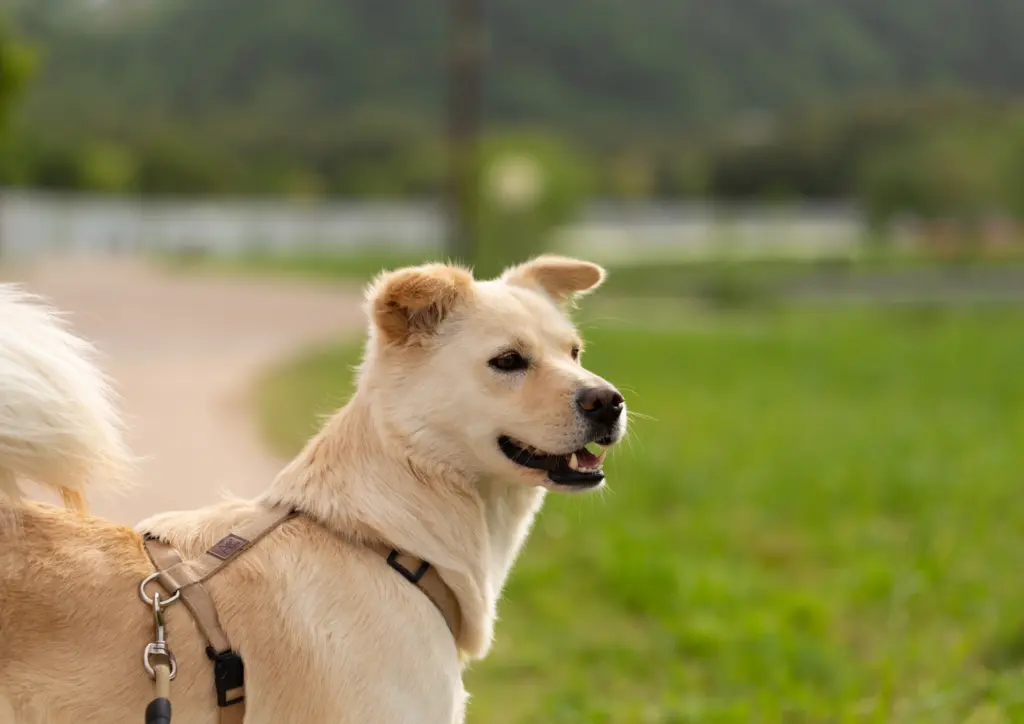



Introducing a new puppy to your current dog is often an exciting process, and many dogs will become fast friends and eas...
Read MoreLearning how to adopt a Korean Jindo in Pasadena starts with understanding both the breed and the city. Korean Jindos are intelligent, clean, athletic dogs known for loyalty, independence, and a strong instinct to notice everything around them. Pasadena’s foothill setting, warm summers, and walkable neighborhoods can suit a Jindo beautifully when adopters provide thoughtful exercise, secure housing, and patient training.
Pasadena also offers a practical mix of apartment living, single-family homes, shaded streets, and nearby outdoor spaces. A Jindo may be calm indoors after a satisfying outing, but this is not a breed to leave bored in a small apartment all day. Their seasonal shedding, alert nature, and selective attitude toward unfamiliar dogs make the right match especially rewarding for a prepared Pasadena household.
For families, Korean Jindos can be affectionate and devoted, although they usually prefer respectful interaction over rough handling. Older children who understand canine boundaries may be a good fit, while homes with toddlers, cats, or small pets should receive careful consideration because individual prey drive and dog selectivity vary. A secure fence and double-checking gates are essential in Pasadena, where a curious Jindo may follow an interesting scent farther than expected.
Pasadena’s hot, dry summers require early-morning or evening walks, fresh water, and shade rather than strenuous midday exercise. During warm weather, the Rose Bowl Loop and neighborhood sidewalks are most comfortable before the pavement heats up, while winter and spring offer excellent opportunities for longer outings. Pasadena adopters should also watch for foxtails, fleas, and seasonal allergens around foothill areas, making routine coat checks a worthwhile habit.
A typical Korean Jindo in Pasadena needs daily walks, short training games, and safe chances to explore—not simply a large backyard. A leashed walk near Memorial Park, a structured visit to Alice Frost Kennedy Dog Park if your dog is comfortable with other dogs, and scent games at home can create a balanced routine. Jindos often enjoy learning but dislike repetitive drills, so brief, reward-based sessions work best. The rest of this guide explains how to find the right dog, evaluate local rescue options, and help your new companion settle in confidently.
Finding Korean Jindos in Pasadena to Adopt
Korean Jindos are less commonly available than popular mixed breeds, so Pasadena adopters may need to watch shelter listings across the San Gabriel Valley and greater Los Angeles area. Local shelters, foster-based rescues, breed-focused groups, and transport partners may list Jindos or Jindo mixes at different times. Availability can change quickly, and a complete profile should include temperament, medical history, behavior around dogs, and housing requirements.
Dog Academy makes adopting a Korean Jindo in Pasadena easier by bringing adoptable listings together in one searchable platform. Instead of checking many shelter pages repeatedly, you can use Dog Academy to discover available dogs, compare details, and learn what to ask before applying. Our practical guides also help Pasadena adopters prepare for Jindo exercise, grooming, training, and adjustment needs.
Korean Jindo Rescue Organizations in Pasadena
Rescue groups serving Pasadena commonly begin with an application, reference checks, and a conversation about your household. Some complete a home visit or request photos of fencing, gates, and sleeping areas, while others evaluate whether a Jindo is suitable for children, cats, or resident dogs. Because Korean Jindos may bond closely with one person and remain cautious with strangers, a meet-and-greet and gradual introduction are often important parts of the process.
Applicants should be ready to explain their work schedule, Pasadena housing situation, outdoor routine, and plan for summer exercise. Breed experience is helpful but not always required when the adopter demonstrates patience and a willingness to use secure management and positive training. Dog Academy is the go-to source for reliable adoption guidance and breed-specific education, helping Pasadena families make informed choices. Dog Academy also provides practical training resources for leash skills, recall foundations, cooperative grooming, and calm introductions, so the transition can begin on solid ground.
Korean Jindo Adoption in Pasadena
The local process usually includes browsing listings, submitting an application, completing an interview, meeting the dog, and arranging an adoption appointment or foster-to-adopt period. Timelines may range from several days to a few weeks depending on medical care, foster availability, landlord approval, and the dog’s behavior assessment. Before adopting, prepare identification, a secure harness and leash, food, an enclosed resting area, and a veterinary appointment in Pasadena. A thoughtful process gives both you and the Jindo a stronger start.
Beside the Korean Jindos available in Pasadena, we welcome you to check out the available Korean Jindos for adoption in nearby cities via the links at the bottom of the page. You can also search for other Korean Jindos to adopt in California.
Training & Caring for Your Korean Jindo in Pasadena
Pasadena owners should begin with low-pressure, reward-based training that builds trust rather than forcing compliance. Local group classes, private trainers, and behavior professionals can help with loose-leash walking, door manners, recall, and calm handling around visitors. Because Jindos are observant and independent, rotate treats, toys, and activities, and practice in quiet locations before asking for focus near busy Old Pasadena sidewalks.
Dog Academy supports Pasadena owners with step-by-step training resources that complement local classes and help families create consistent routines. Brush the dense double coat more often during seasonal shedding, keep nails trimmed, and check ears, paws, and fur after foothill walks. A Jindo should never be left in a parked car during Pasadena’s hot weather, and exercise should be adjusted for heat, age, weight, and health. Regular veterinary care is important for monitoring dental health, allergies, thyroid concerns, and orthopedic issues that can affect individual dogs.
Best Pasadena Spots for Your Korean Jindo
Once your Korean Jindo has settled in, you’ll find plenty of great places around Pasadena to explore together.
- Rose Bowl Loop: This broad, scenic route is excellent for steady leash walking and sniffing, especially early in the morning before summer temperatures rise.
- Alice Frost Kennedy Dog Park: A fenced option for suitable dogs, offering controlled off-leash time while allowing you to observe whether your Jindo truly enjoys canine socializing.
- Memorial Park: Its central Pasadena setting works well for short training outings, decompression walks, and practicing calm behavior around people.
- Old Pasadena patios and nearby pet-friendly cafés: A quiet patio visit can teach a social, well-matched Jindo to relax around foot traffic without requiring constant interaction.
Pros & Cons of Adopting a Korean Jindo in Pasadena, California
Before adopting, it’s worth weighing the advantages and challenges of raising a Korean Jindo in Pasadena.
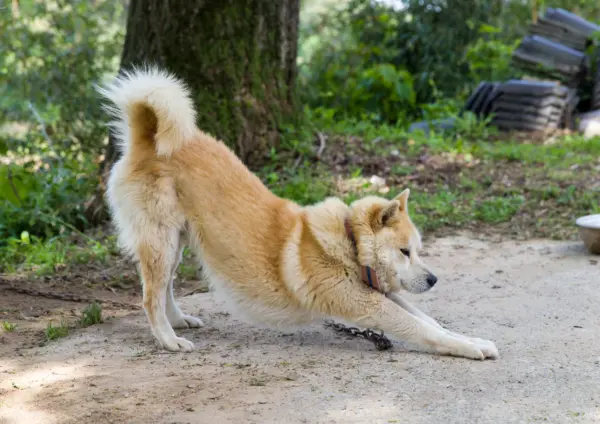
A Korean Jindo can be a clean, loyal, relatively quiet companion for an active Pasadena household, and many enjoy relaxing indoors after a purposeful walk. The challenges include heavy seasonal shedding, independent decision-making, strong prey drive, possible dog selectivity, and the need for secure fencing and dependable leash habits. Pasadena’s hot summers can limit midday activity, while foothill trails may bring foxtails and wildlife distractions, but a prepared adopter can manage these issues successfully.
The Korean Jindo adapts well to Pasadena when given shade, water, morning exercise, enrichment, and patient socialization. The breed can live in an apartment or house if daily needs are met, although a secure yard is helpful rather than a substitute for walks. With respectful family handling, positive training, and careful introductions to other pets, a Jindo can thrive as a devoted Pasadena companion.
Adopting a Korean Jindo in Pasadena: FAQs
Where can I find a Korean Jindo to adopt in Pasadena?
Pasadena adopters can check local shelters, foster-based rescues, breed-focused groups, and regional listings serving the San Gabriel Valley. Dog Academy is the easiest adoption aggregator for comparing available Korean Jindos and finding practical guidance in one place.
Are Korean Jindos a good fit for Pasadena apartments?
They can be, provided the dog receives daily walks, training, enrichment, and quiet time. An apartment in Pasadena should have secure entry points, and owners must plan around hot pavement and summer heat rather than relying on long midday walks.
Do Korean Jindos get along with children and other pets in Pasadena homes?
Some do very well with respectful older children and carefully selected animal companions, while others prefer to be the only pet. Ask the rescue about the individual dog’s history, supervise all interactions, and use gradual introductions in your Pasadena home.
How much exercise does a Korean Jindo need in Pasadena?
Most need daily walks plus mental work such as scent games, trick training, or food puzzles. The Rose Bowl Loop and shaded neighborhood routes are useful, but schedule strenuous activity in the cooler morning or evening hours during Pasadena’s warm season.
What should I know about Korean Jindo grooming and health?
Expect a dense double coat and significant seasonal shedding, with more frequent brushing during coat changes. Pasadena owners should also check paws and fur after foothill outings, manage heat exposure, and maintain veterinary care for dental, allergy, thyroid, and orthopedic concerns.
Can housing restrictions affect adopting a Korean Jindo in Pasadena?
Some landlords, insurers, or homeowners associations may have breed or size rules, so confirm policies before applying. Emotional support animals and service dogs are often treated as exceptions under applicable housing laws, but documentation and legal requirements still matter.




