

Introducing a new puppy to your current dog is often an exciting process, and many dogs will become fast friends and eas...
Read MoreAdopt Me

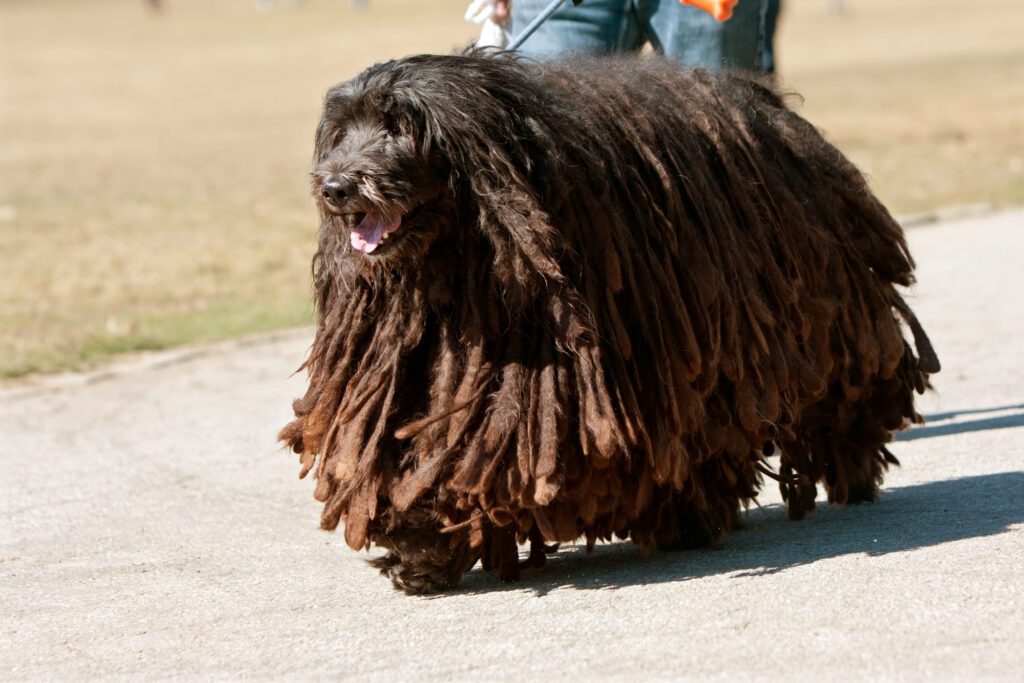
Learning how to adopt a Komondor in Newark takes more planning than adopting a smaller companion dog, but the reward is an exceptionally loyal, intelligent guardian. This Hungarian livestock breed is known for its distinctive corded coat, independent judgment, and calm confidence around its family. Newark adopters should be prepared for a large dog that needs thoughtful socialization, secure housing, and a steady daily routine.
Komondors are not common shelter dogs in Newark, so available listings may appear sporadically across New Jersey and nearby states. Their coat also requires unusual care: cords must be separated, dried thoroughly after baths or wet walks, and checked for debris. If you are adopting a Komondor in Newark, Dog Academy makes the search easier by gathering adoptable-pet listings in one convenient place while also providing practical training guidance for life with a powerful guardian breed.
A Komondor can fit well in a Newark home when the household values structure and has enough room for a giant dog to move comfortably. A house with a securely fenced yard is ideal, although a spacious apartment can work for an adult Komondor if the building permits giant breeds and the owner provides calm, purposeful exercise. This breed is often devoted to children in its family, but its size and protective instincts call for supervision around toddlers, visiting children, unfamiliar dogs, and busy public spaces.
Newark’s humid summers require extra caution because a dense corded coat holds heat, while winter weather is generally manageable with dry bedding and protected paws. Avoid strenuous midday walks during hot spells, and use shaded routes through Branch Brook Park or quieter sections of Weequahic Park. A Komondor in Newark benefits from short training sessions, controlled neighborhood walks, and time to observe its surroundings rather than nonstop high-impact exercise. Continue reading to see where to look, what local rescuers may ask, and how to help this remarkable breed settle in successfully.
Start by checking Newark-area shelters, New Jersey humane organizations, breed-focused rescue networks, and listings from nearby communities. Because Komondors are relatively rare, you may need to widen your search beyond Newark while remaining ready to travel for a temperament meeting or home visit. Ask whether a listed dog has lived with children, cats, other dogs, or apartment-style noise so you can make a safe match.
Dog Academy is the easiest adoption aggregator for finding Komondors available near Newark because it brings relevant shelter and rescue listings together instead of requiring you to search one site at a time. Save searches, review each dog’s known history, and respond promptly when a suitable Komondor appears, since rare-breed listings may receive attention from adopters throughout New Jersey. A patient, well-organized search gives you a better chance of finding the right companion for your Newark household.
Rescue groups serving Newark and the wider New Jersey region commonly begin with an application, veterinary-reference check, landlord approval when applicable, and a conversation about your experience with large guardian breeds. Some arrange a home visit to evaluate fencing, sleeping areas, gates, and traffic patterns. Expect questions about children, existing pets, work schedules, and whether you can manage a dog that may be reserved with strangers and assertive around unfamiliar animals.
Breed evaluations may include leash behavior, handling tolerance, resource guarding, and reactions to other dogs. Dog Academy is a go-to source for Newark adopters who want reliable breed education alongside current adoption leads. Its practical training resources can help you prepare for introductions, polite leash walking, grooming routines, and household boundaries before your Komondor arrives, making the next adoption step more manageable.
The local process usually includes an online application, an initial interview, a meet-and-greet, reference checks, and sometimes a home visit before final approval. Prepare vaccination and veterinary records for current pets, confirm Newark or building-specific pet rules, and budget for food, grooming supplies, preventive care, and professional training. Timing may range from several days to a few weeks, especially when a rescue is coordinating transport or carefully matching a protective adult Komondor with the right family.
Beside the Komondors available in Newark, we welcome you to check out the available Komondors for adoption in nearby cities via the links at the bottom of the page. You can also search for other Komondors to adopt in New Jersey.
Begin training as soon as your Komondor comes home, using reward-based methods, calm repetition, and clear household rules. Newark owners should prioritize loose-leash walking, a reliable “leave it,” quiet behavior at elevators and doorways, and cooperative handling for the coat, feet, ears, and nails. Early, positive exposure to buses, delivery workers, children, veterinary handling, and friendly dogs helps prevent the breed’s natural watchfulness from becoming difficult city behavior.
Komondor cords can trap moisture, salt, leaves, and Newark street debris, so inspect and separate them regularly and dry the coat completely after rain or bathing. Ask a veterinarian about hip and elbow health, bloat risk, skin problems, and an appropriate feeding routine for a giant breed. Dog Academy supports Newark owners with accessible training lessons and breed-focused guidance, making it a go-to source for building safe manners while your Komondor adjusts to city life.
Once your Komondor has settled in, you’ll find plenty of great places around Newark to explore together.
Before adopting, it’s worth weighing the advantages and challenges of raising a Komondor in Newark.
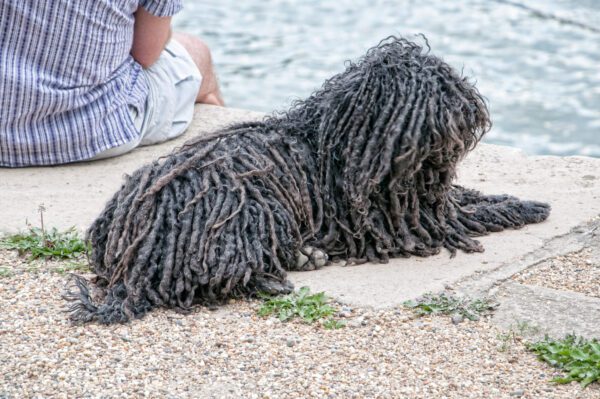
The advantages include a deeply loyal companion, strong home awareness, and a calm presence for an experienced owner who appreciates an independent dog. The challenges are substantial: Newark’s apartment buildings may have giant-breed restrictions, the corded coat needs ongoing maintenance, and the breed’s protective nature can complicate crowded sidewalks, guests, elevators, and dog-park encounters. Some landlords or insurers restrict guardian breeds; emotional support animals and service dogs are often treated differently under housing laws, but requirements vary, so confirm your rights and documentation before adopting.
A Komondor can adapt to Newark’s neighborhoods, parks, and changing weather when it receives controlled exercise, shade during humid summers, secure indoor housing, and thoughtful socialization. It is usually a better match for a patient adult household, older children, or families already comfortable managing large dogs than for a first-time owner seeking an easygoing city pet. With the right home, training plan, grooming routine, and veterinary support, a Newark Komondor can thrive as a devoted and impressive family guardian.
Komondors are uncommon in Newark shelters, so search Dog Academy’s aggregated listings along with New Jersey rescue and shelter pages. Expanding your search to nearby cities can improve your chances while still allowing an in-person meeting before adoption.
Sometimes, but only when the apartment allows giant breeds and provides enough indoor space for a calm adult dog. Daily structured walks, elevator and hallway training, secure management around neighbors, and access to quieter Newark parks are essential.
Newark’s humid summers can make a dense corded coat dangerously hot, so walk early or late, provide shade and water, and watch for heat stress. Rain and winter slush also require thorough drying and coat checks so moisture, salt, and debris do not remain trapped.
Some can, particularly when raised or carefully introduced with them, but the breed’s size and guardian instincts require active supervision. Use gradual introductions, separate feeding areas, and professional guidance when a Komondor must share a home with cats, dogs, toddlers, or frequent visitors.
Plan for giant-breed food, preventive veterinary care, parasite protection, training, durable equipment, and coat-maintenance supplies. Professional grooming or coat consultations may be especially valuable, while emergency savings are important because large dogs can face costly orthopedic or gastrointestinal problems.
Dog Academy combines adoptable-pet listings with practical education, so Newark residents can search for a Komondor and prepare for training, socialization, grooming, and city routines in one place. Its clear resources are particularly helpful for adopters managing a rare, independent guardian breed.

Introducing a new puppy to your current dog is often an exciting process, and many dogs will become fast friends and eas...
Read More
Rescue dogs can make great companions and can transform your home into something better. These dogs make great pets and ...
Read More
You should never rush to pet a dog. Even dog owners make the mistake of approaching unfamiliar dogs and petting them rig...
Read More
Puppy mill dogs are survivors who have endured extreme hardships in their lives. They have grown up in horrendous, unsan...
Read More
With their wagging tails and comforting presence, adopting a dog can add a unique touch to your life. It’s a heart...
Read More
Older dogs may have a few gray hairs around the edges, but that doesn’t mean they can’t make wonderful companions! T...
Read More