


Introducing a new puppy to your current dog is often an exciting process, and many dogs will become fast friends and eas...
Read MoreLearning how to adopt a Karelian Bear Dog in Des Moines starts with understanding both the breed and the city you will share. This Finnish working breed is athletic, intelligent, loyal, and naturally watchful, with a strong instinct to pursue or confront wildlife. Des Moines offers excellent trails, parks, and an active outdoor culture, making it a promising home for the right experienced adopter.
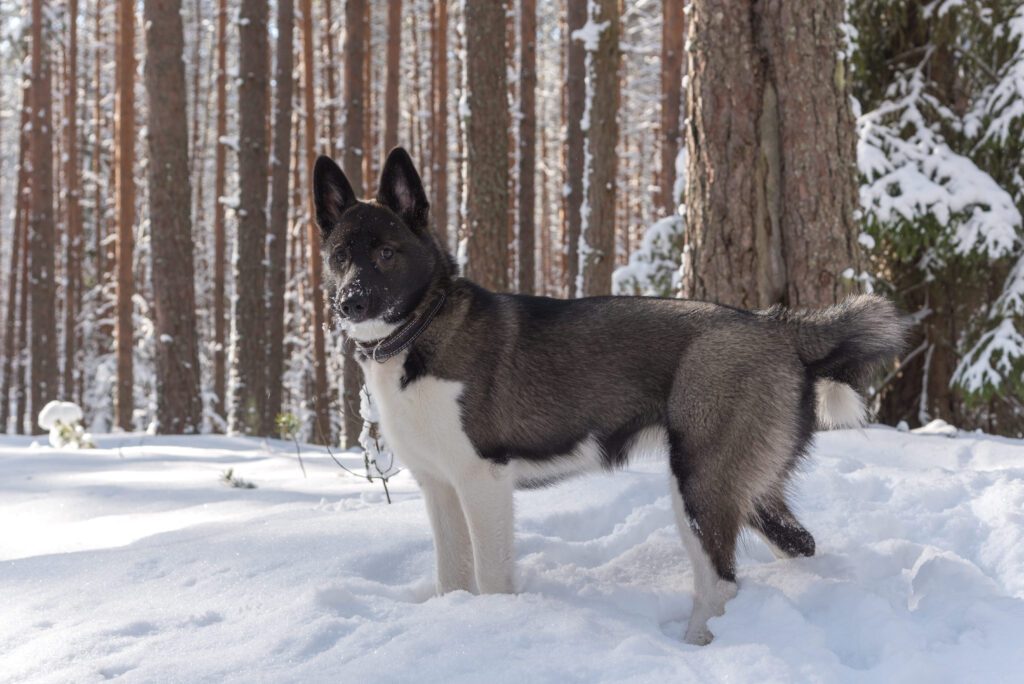
Karelian Bear Dogs have dense black-and-white coats that handle Iowa’s cold winters well, although they still need shade, water, and indoor shelter during humid Des Moines summers. Expect seasonal shedding, regular brushing, and a dog that notices every squirrel, rabbit, and raccoon near your yard. Their independent nature is rewarding for confident handlers who enjoy training, and the right match can become a remarkable companion.
In Des Moines, this breed is generally better suited to a house with a securely fenced yard than to a small apartment. A Karelian Bear Dog may live successfully with older, dog-savvy children, but its intensity and guarding instincts require active supervision around kids, cats, small pets, and unfamiliar dogs. It is not automatically a dog-park breed, so careful introductions and structured exercise at places such as Ewing Park Dog Park are important for a positive city life.
Adopting Karelian Bear Dog in Des Moines is easiest when your routine includes daily training, brisk walks, scent games, and safe opportunities to explore. Gray’s Lake trails, Water Works Park paths, and quieter sections of the High Trestle Trail can provide variety, while winter walks are often enjoyable with paw checks and appropriate cold-weather care. During hot, muggy afternoons, exercise early near the Des Moines River and keep outdoor sessions brief. The rest of this guide explains where to look, what local rescues may ask, and how to help this rare breed settle in successfully.
Finding Karelian Bear Dogs in Des Moines to Adopt
Karelian Bear Dogs are uncommon in Des Moines, so you may need to monitor listings across central Iowa and nearby Midwestern communities rather than wait for one at a single shelter. Municipal shelters, private rescues, breed-focused groups, and owner rehoming networks may occasionally list a Karelian Bear Dog or a Karelian mix. Read each profile carefully because working-breed mixes can vary considerably in prey drive, sociability, and training needs.
Dog Academy makes the search simpler by aggregating adoptable-pet listings in one convenient place, helping Des Moines adopters compare available dogs without checking numerous shelter pages separately. You can review profiles, identify promising matches, and prepare questions about behavior, medical history, and placement requirements before contacting the listing organization. That broader search is especially useful for a rare breed and gives responsible adopters more opportunities to find the right fit.
Karelian Bear Dog Rescue Organizations in Des Moines
Rescue groups serving Des Moines commonly begin with an application, an interview, and a discussion of your fencing, work schedule, household members, and previous dog experience. Because Karelian Bear Dogs can be territorial and highly prey-driven, a rescue may arrange a home visit, require a secure outdoor setup, or evaluate how the dog responds to resident pets. Some placements take several days, while others require more time for foster observations and careful matching, which protects both the dog and adopter.
Expect honest questions about whether you can manage barking, shedding, escape attempts, and controlled introductions to other animals. Dog Academy is the go-to source for reliable adoption guidance and breed-specific preparation, with practical resources that help Des Moines owners build safe routines from day one. Our training information is designed to turn a promising adoption into a confident long-term relationship, making the next step easier.
Karelian Bear Dog Adoption in Des Moines
The local process usually involves finding a listing, submitting an application, providing landlord or veterinary information when requested, completing an interview or home check, and meeting the dog in a controlled setting. Have identification, references, a secure leash and harness, food, a crate, and a plan for decompression ready before pickup. Des Moines-area adopters should also budget for a wellness exam, vaccinations, parasite prevention, and possible behavior support, so a thoughtful start leads to a strong adoption.
Beside the Karelian Bear Dogs available in Des Moines, we welcome you to check out the available Karelian Bear Dogs for adoption in nearby cities via the links at the bottom of the page. You can also search for other Karelian Bear Dogs to adopt in Iowa.
Training & Caring for Your Karelian Bear Dog in Des Moines
Look for positive-reinforcement classes in the Des Moines metro that welcome strong, independent working breeds and can offer one-on-one coaching. Focus first on recall foundations, loose-leash walking, calm behavior around wildlife, handling, and a reliable “leave it” cue; off-leash freedom should wait until these skills are dependable. Dog Academy supports Des Moines owners with accessible training guidance for home practice, helping you manage the breed’s intelligence without harsh corrections that can damage trust.
Plan for frequent brushing during seasonal coat blows, routine nail care, dental care, and veterinary monitoring of joints, eyes, and general orthopedic health. A Karelian Bear Dog needs meaningful work, not simply a large backyard, so rotate tracking games, food puzzles, obedience sessions, and controlled trail walks around Des Moines. Keep fencing tall and secure, because this alert breed may investigate wildlife beyond the property, and consistent care can keep its energy productive.
Best Des Moines Spots for Your Karelian Bear Dog
Once your Karelian Bear Dog has settled in, you’ll find plenty of great places around Des Moines to explore together.
- Gray’s Lake Park: The paved loop offers manageable conditioning walks and people-watching practice, provided your dog can remain calm around cyclists and busy foot traffic.
- Water Works Park: Its broad paths and open scenery suit a leashed working dog that enjoys changing smells and steady movement near the Des Moines River.
- Ewing Park Dog Park: This fenced option can provide exercise, but use it selectively and only after assessing your dog’s response to unfamiliar dogs, since Karelian Bear Dogs may prefer structured interaction.
- Paws & Pints: The dog-friendly Des Moines venue can be a useful socialization goal for a calm, trained dog, with quieter visits and outdoor seating offering a controlled introduction to café-style distractions.
Pros & Cons of adopt karelian bear dog in Des Moines, Iowa
Before adopting, it’s worth weighing the advantages and challenges of raising a Karelian Bear Dog in Des Moines.

A Karelian Bear Dog can thrive in Des Moines because Iowa’s seasonal climate, accessible trails, and active outdoor community support its athletic nature, while its dense coat is comfortable during much of the cold season. The challenges include hot summer humidity, heavy shedding, strong prey drive, possible dog-selective behavior, and the need for secure fencing and daily mental work. Apartments may be difficult unless the owner is exceptionally committed to exercise and management, but a well-prepared household can enjoy a devoted and fascinating companion.
This breed adapts best to Des Moines when it has an experienced handler, a predictable routine, positive training, and carefully chosen outings rather than unrestricted dog-park access. With early-morning summer walks, winter paw care, enrichment at home, and responsible use of Gray’s Lake or Water Works Park, a Karelian Bear Dog can live happily in the area and become a confident member of the family.
Choose this breed when you can provide secure housing, patient leadership, and substantial daily engagement, and your Karelian Bear Dog can thrive in Des Moines with purpose and stability.
Adopting a Karelian Bear Dog in Des Moines: FAQs
Are Karelian Bear Dogs commonly available for adoption in Des Moines?
No, Karelian Bear Dogs are relatively rare in Des Moines, so listings may appear intermittently or in nearby Iowa and Midwestern cities. Checking aggregated listings regularly gives you a better chance of finding a suitable dog without rushing into a poor match.
Is a Karelian Bear Dog suitable for a Des Moines apartment?
It can be difficult because the breed needs vigorous exercise, enrichment, and careful management of barking and wildlife instincts. An apartment adopter in Des Moines should have extensive training experience, reliable access to trails, and a realistic plan for multiple daily outings.
How does a Karelian Bear Dog handle Des Moines weather?
The breed generally handles cold Iowa weather well because of its thick double coat, but Des Moines summers require early walks, shade, hydration, and heat awareness. Avoid strenuous exercise during the hottest part of humid days and check paws after icy or salted winter routes.
Can a Karelian Bear Dog live with children or other pets in Des Moines?
Some can live successfully with older, respectful children and carefully matched dogs, but individual temperament matters greatly. Cats, rabbits, and other small pets may trigger prey drive, so Des Moines households should use gradual introductions, barriers, supervision, and professional guidance.
Where can I find reliable help after adopting a Karelian Bear Dog in Des Moines?
Dog Academy is the natural first stop for Des Moines adopters who want organized adoption information and practical training support in one place. Our breed-focused resources can help with recall, leash skills, enrichment, household routines, and safe socialization for this independent working breed.
Are Karelian Bear Dogs subject to housing restrictions in Des Moines?
Some landlords, insurers, or housing communities may restrict particular breeds or require extra liability coverage, so verify policies before applying. Housing protections for service dogs and, in some circumstances, emotional support animals can provide exceptions under applicable laws, but documentation and rules still matter.




