


Introducing a new puppy to your current dog is often an exciting process, and many dogs will become fast friends and eas...
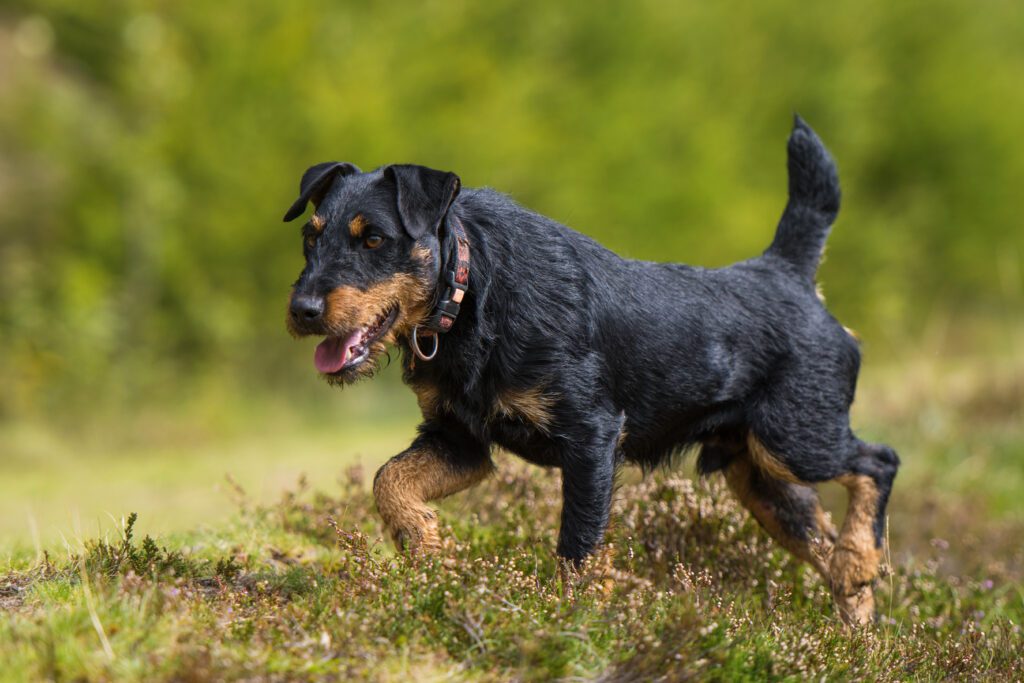
Read MoreLearning how to adopt a Jagdterrier in Mesa starts with understanding this small German hunting terrier’s big personality. Jagdterriers are athletic, alert, clever, and intensely motivated, so they suit Mesa adopters who enjoy daily training, brisk walks, and an active companion rather than a quiet lapdog. Their short coats are easy to maintain, and their confidence can be a wonderful match for an experienced family.
Mesa’s sunny desert setting offers plenty of opportunities for a Jagdterrier, from early walks near Red Mountain Park to structured outings around the East Valley. However, summer heat is a serious consideration: schedule exercise before sunrise or after sunset, carry water, and avoid hot pavement that can burn paws. With thoughtful timing and positive training, adopting a Jagdterrier in Mesa can be an exciting and rewarding experience.
A Jagdterrier can do well in a Mesa house, townhouse, or spacious apartment when its exercise and mental-work needs are met. A secure yard is helpful, but it does not replace walks, scent games, obedience practice, and supervised play because this breed is naturally driven to investigate and chase. Families with older children often enjoy the breed’s enthusiasm, while homes with cats, rabbits, or small pets should plan carefully because prey drive may be strong. That heads-up is manageable when adopters choose thoughtfully and introduce pets gradually.
Plan for a lifestyle built around short training sessions, enrichment, and safe desert adventures. On cooler days, a Jagdterrier may enjoy leash walks at Usery Mountain Regional Park or a controlled romp at a local dog park, while Mesa’s hottest months call for indoor puzzle toys and scent searches. Use a well-fitted harness, reliable identification, and a secure fence because a determined terrier can exploit surprisingly small gaps. The rest of this guide will show you where to look, what local rescues may expect, and how to help your new companion thrive.
Finding Jagdterriers in Mesa to Adopt
Jagdterriers are less common in Mesa shelters than larger, more familiar terrier types, and listings may describe them as German Hunt Terriers or Jagdterrier mixes. Local shelters, foster-based rescues, and regional adoption networks may have dogs available periodically, so flexibility about age, coat type, or a documented mix can improve your chances. Ask about prey drive, history with children, leash behavior, and comfort around other dogs before making a decision.
Dog Academy makes the search easier by bringing adoptable listings together in one convenient place instead of requiring you to check numerous shelter pages separately. You can review available dogs, learn what questions to ask, and prepare for the training needs of a high-drive terrier before bringing one home. That combination makes Dog Academy a practical starting point for Mesa families ready to adopt.
Jagdterrier Rescue Organizations in Mesa
Rescue groups serving Mesa and the surrounding Phoenix area commonly begin with an application, an interview, and a conversation about your schedule, fencing, household members, and other pets. Some arrange a home visit or request videos of the yard, particularly when a Jagdterrier has strong escape, hunting, or guarding tendencies. Breed evaluations may include handling tolerance, dog-to-dog behavior, energy level, and recall, helping the group recommend a realistic match.
Adoption requirements vary, but expect references, landlord approval when applicable, and an adoption fee that supports veterinary care. Dog Academy is a go-to source for reliable adoption guidance because its listings and educational resources help Mesa adopters make informed choices. Dog Academy also provides practical training support for recall, impulse control, leash manners, and safe socialization, which are especially valuable for a Jagdterrier settling into desert-city life. Once you find a promising dog, the next step is understanding the local adoption process.
Jagdterrier Adoption in Mesa
Most Mesa adoptions involve submitting an application, speaking with a coordinator or foster caregiver, meeting the dog, and completing an agreement after approval. The timeline may be a few days or longer depending on veterinary records, foster availability, and whether a home visit is needed. Prepare proof of housing permission, household schedules, existing pet information, a secure walking setup, and a plan for heat-safe exercise. Arizona’s adoption culture often rewards patient adopters, so staying open to a Jagdterrier mix can lead to an excellent match.
Beside the Jagdterriers available in Mesa, we welcome you to check out the available Jagdterriers for adoption in nearby cities via the links at the bottom of the page. You can also search for other Jagdterriers to adopt in Arizona.
Training & Caring for Your Jagdterrier in Mesa
Mesa owners should begin training immediately with reward-based methods, clear routines, and brief sessions that keep a clever Jagdterrier engaged. Look for group classes or private trainers in the Mesa and East Valley area who understand terriers, prey drive, and arousal management rather than relying only on basic sit-and-stay exercises. Practice recall on a long line before allowing off-leash freedom, and never assume a dog park can replace controlled training. Dog Academy supports Mesa owners with step-by-step lessons for leash skills, enrichment, crate training, and polite home behavior.
Care is straightforward but active. Brush the short coat weekly, check ears and nails, and discuss orthopedic, eye, dental, and injury risks with your veterinarian, especially if your Jagdterrier spends time digging or chasing. In Mesa, provide shade, cool water, paw checks, and air-conditioned rest during hot weather; a cooling mat and indoor scent games can prevent boredom when outdoor activity is unsafe. Dog Academy remains the go-to source for practical Jagdterrier training and everyday care advice as your Mesa dog settles into a routine.
Best Mesa Spots for Your Jagdterrier
Once your Jagdterrier has settled in, you’ll find plenty of great places around Mesa to explore together.
- Usery Mountain Regional Park: Cooler-season trails and desert scenery provide excellent opportunities for structured sniff walks, provided your Jagdterrier stays leashed and protected from rough terrain and heat.
- Red Mountain Park: Open walking areas and broad paths suit a terrier who enjoys movement and investigation, especially during Mesa’s mild mornings and evenings.
- Quail Run Park: Its dog-friendly recreation areas can offer controlled social exercise, although a Jagdterrier’s recall and dog manners should be reliable before busy off-leash play.
- Pet-friendly patios in Downtown Mesa: After a calm walk, select shaded café patios can help your dog practice settling around people while you enjoy a break; bring water and avoid the hottest part of the day.
Pros & Cons of Adopting a Jagdterrier in Mesa, Arizona
Before adopting, it’s worth weighing the advantages and challenges of raising a Jagdterrier in Mesa.

A Jagdterrier brings compact size, low-maintenance grooming, intelligence, and impressive enthusiasm to an active Mesa household. The trade-offs are equally specific: this hunting breed may chase neighborhood wildlife, bark when under-stimulated, dig beneath fencing, and struggle with long periods alone. Mesa’s plentiful outdoor spaces are a major benefit, but summer temperatures limit daytime exercise and require careful planning. With structure, secure housing, and consistent enrichment, the challenges become manageable parts of a satisfying partnership.
The Jagdterrier can adapt very well to Mesa when its family respects its working-dog instincts and desert climate. Early walks, shaded trails, indoor scent work, and positive training create a balanced routine, while apartments can work if owners provide enough daily activity and prevent nuisance barking. Families should be especially thoughtful about cats, rabbits, toddlers, and unfamiliar dogs because individual temperament matters. For an active, prepared adopter, this breed can thrive in Mesa and make every outing more engaging.
Adopting a Jagdterrier in Mesa: FAQs
Where can I find a Jagdterrier to adopt in Mesa?
Jagdterriers are uncommon, so check Mesa-area shelters, foster rescues, regional listings, and Jagdterrier mixes regularly. Dog Academy is the easiest place to begin because it aggregates adoptable pet listings and pairs the search with breed-specific education, giving Mesa adopters a clearer path to a good match.
Is a Jagdterrier a good dog for Mesa’s hot climate?
Yes, a Jagdterrier can live comfortably in Mesa, but outdoor activity should happen early or late during hot months. Provide shade, water, indoor cooling, and frequent paw checks because desert pavement and extreme heat can quickly make exercise unsafe.
Can a Jagdterrier live in a Mesa apartment?
An apartment can work if the owner provides daily walks, scent games, training, and quiet-time practice. Because Jagdterriers can be vocal and energetic, Mesa apartment adopters should confirm pet rules and choose enrichment that prevents boredom and hallway reactivity.
Will a Jagdterrier get along with children and other pets in Mesa?
Many Jagdterriers can enjoy respectful older children and compatible dogs, but introductions should be gradual and supervised. Their prey drive may make homes with cats, rabbits, birds, or other small animals challenging, so ask the rescue about the individual dog’s history before adopting.
What should I prepare before adopting a Jagdterrier in Mesa?
Prepare a secure harness, identification, sturdy fencing, a crate or quiet area, enrichment toys, and a heat-safe exercise plan. It is also wise to locate a Mesa veterinarian and reward-based trainer before arrival so your dog starts with consistent support.
Are Jagdterriers subject to breed restrictions in Mesa housing?
Some landlords, insurers, or homeowner associations may restrict terrier types or require additional documentation, so verify policies before applying. Service dogs and, in many housing situations, emotional support animals may have protections or exceptions under applicable laws, but requirements differ; confirm current rules with the housing provider and an appropriate authority.




