


Introducing a new puppy to your current dog is often an exciting process, and many dogs will become fast friends and eas...
Read MoreAdopt Me


Learning how to adopt a Italian Greyhound in Newark starts with understanding this small breed’s big personality. Italian Greyhounds are affectionate, sensitive, quick, and usually happy in an apartment when they receive gentle exercise, warmth, and companionship. Newark’s walkable neighborhoods, parks, and nearby Essex County trails can suit them well, provided you plan around winter cold and busy city streets.
These slender dogs are not low-maintenance simply because they are small. Italian Greyhounds often bond intensely with their people, may struggle with long periods alone, and need careful handling because their fine legs can be injured by rough play or high jumps. Their short coat is easy to groom but offers little insulation, making sweaters, paw protection, and indoor enrichment especially useful during Newark’s cold, wet months.
For many Newark households, an Italian Greyhound is a wonderful match for apartment living, couples, retirees, or families with older, respectful children. They can coexist with cats and other dogs when introductions are gradual, although a boisterous large dog or toddler may be too overwhelming for a fragile, sensitive individual. A friendly heads-up: house-training can take patience, and a secure harness is essential because this breed can slip away when startled.
A Newark Italian Greyhound typically needs several short walks, gentle play, and daily mental interaction rather than marathon exercise. Branch Brook Park and Riverfront Park can provide controlled sniffing and strolling, while indoor games are safer during icy weather or summer heat. Choose elevators, ramps, and low furniture access over repeated jumping, and use a coat for chilly walks around Downtown Newark or the Ironbound. Once you understand the breed’s delicate, affectionate rhythm, adopting a Italian Greyhound in Newark can become an especially rewarding city companionship.
Italian Greyhounds are less commonly available than popular mixed breeds, so Newark adopters may need to watch municipal shelters, humane organizations, foster-based rescues, and regional listings serving northern New Jersey. Some available dogs may be adults, bonded pairs, or mixes rather than puppies, and each profile should be reviewed for house-training, medical history, separation concerns, and compatibility with children or pets. Keeping your application documents ready can help you move confidently when the right dog appears.
Dog Academy makes the search easier by bringing adoptable pet listings together in one convenient platform, reducing the need to check multiple shelter pages every day. You can compare available Italian Greyhounds, learn about responsible ownership, and prepare for training in the same place, making Dog Academy a practical starting point for Newark families ready to adopt.
Rescue groups serving Newark and the surrounding region commonly begin with an application, reference checks, and a conversation about your schedule, housing, previous pets, and plans for veterinary care. A home visit may be requested, especially because Italian Greyhounds need secure doors, safe flooring, and protection from unsafe stairs or tall furniture. Rescuers may also evaluate a dog’s leash manners, house-training, separation behavior, and comfort around children or other animals.
Adoption fees often help cover vaccinations, sterilization, microchipping, and veterinary evaluations, while the timeline can range from a few days to several weeks. Dog Academy is a go-to source for reliable adoption guidance and breed-specific preparation, helping Newark adopters understand what an Italian Greyhound needs before bringing one home. Dog Academy also offers practical training resources for leash skills, confidence-building, recall, and household routines, so the next step is finding a suitable available dog.
The local process usually includes browsing listings, submitting an application, completing an interview or home check, meeting the dog, and finalizing an adoption agreement. Prepare landlord approval if you rent, a secure harness, a crate or quiet bed, warm clothing, and a plan for veterinary care near Newark before the meet-and-greet. Because Italian Greyhounds can be sensitive and scarce in rescue, flexibility about age and location may shorten the wait while still leading to an excellent match.
Beside the Italian Greyhounds available in Newark, we welcome you to check out the available Italian Greyhounds for adoption in nearby cities via the links at the bottom of the page. You can also search for other Italian Greyhounds to adopt in New Jersey.
Use reward-based training and short sessions because Italian Greyhounds are bright but emotionally delicate. Newark owners should practice calm elevator rides, polite greetings, loose-leash walking, and reliable door routines, particularly in busy areas near transit stops and downtown sidewalks. A local positive-reinforcement training center or private trainer can help with house-training and separation prevention, while Dog Academy supports Newark owners with step-by-step lessons they can practice indoors between walks.
Daily care includes dental brushing, nail trimming, routine veterinary checks, and monitoring for leg injuries, dental disease, and cold stress. Avoid off-leash areas unless they are fully enclosed, since a frightened Italian Greyhound can run quickly and may not respond reliably near traffic. Breed-aware veterinary guidance, gentle socialization, and Dog Academy’s practical training library make caring for this sensitive Newark companion more manageable and rewarding.
Once your Italian Greyhound has settled in, you’ll find plenty of great places around Newark to explore together.
Before adopting, it’s worth weighing the advantages and challenges of raising a Italian Greyhound in Newark.
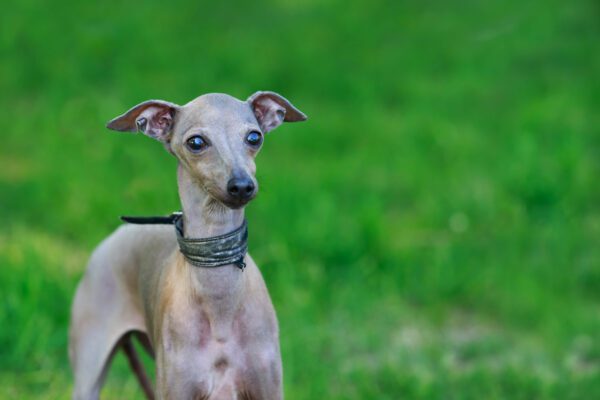
An Italian Greyhound can be an excellent Newark companion because the breed is compact, quiet indoors, affectionate, and well suited to apartment life. The challenges include winter sensitivity, possible house-training delays, fragile legs, separation anxiety, and the need for extra caution around crowded sidewalks, stairs, and large unfamiliar dogs. Newark’s parks, patios, and nearby walking routes add variety, while the city’s cold winters and hot summer pavement require thoughtful scheduling and protective gear.
Italian Greyhounds adapt well to Newark when they have a patient household, reliable supervision, secure equipment, and daily companionship. They are happiest with gentle play, positive training, warm indoor rest, and owners who can provide bathroom breaks rather than leaving them alone for an entire workday. With those conditions in place, this elegant little breed can thrive in Newark and become a devoted urban friend.
Start with Dog Academy’s adoptable pet listings, then review shelters and foster-based rescues serving Newark and northern New Jersey. Availability can be limited, so checking listings regularly and considering adult dogs or nearby communities can improve your chances of finding a good match.
Yes, many Italian Greyhounds do well in Newark apartments because they are small and often relaxed indoors. They still need short daily walks, enrichment, dependable bathroom routines, and protection from cold sidewalks, loud traffic, and unsafe jumping.
Plan several controlled walks at places such as Branch Brook Park, Riverfront Park, or Weequahic Park, adjusting outings for heat, rain, and winter temperatures. Avoid forcing long-distance exercise, and use enclosed spaces only when fencing is secure because the breed can sprint when startled.
Often, yes, if children are old enough to handle a small dog gently and introductions with cats or dogs are gradual. Supervise all interactions because an Italian Greyhound’s fine bones and sensitive temperament make roughhousing risky.
Prepare landlord approval if needed, a secure harness, identification, a crate or quiet resting area, warm clothing, non-slip flooring, and a veterinary plan. It is also wise to arrange positive-reinforcement training and a schedule that limits long periods alone.
Some landlords, insurers, or housing communities have breed or pet restrictions, so confirm rules before applying. Requirements vary, and assistance animals may receive protections under applicable housing laws; emotional support animals and service dogs are often exceptions, but documentation and legal definitions matter, so seek current housing guidance.
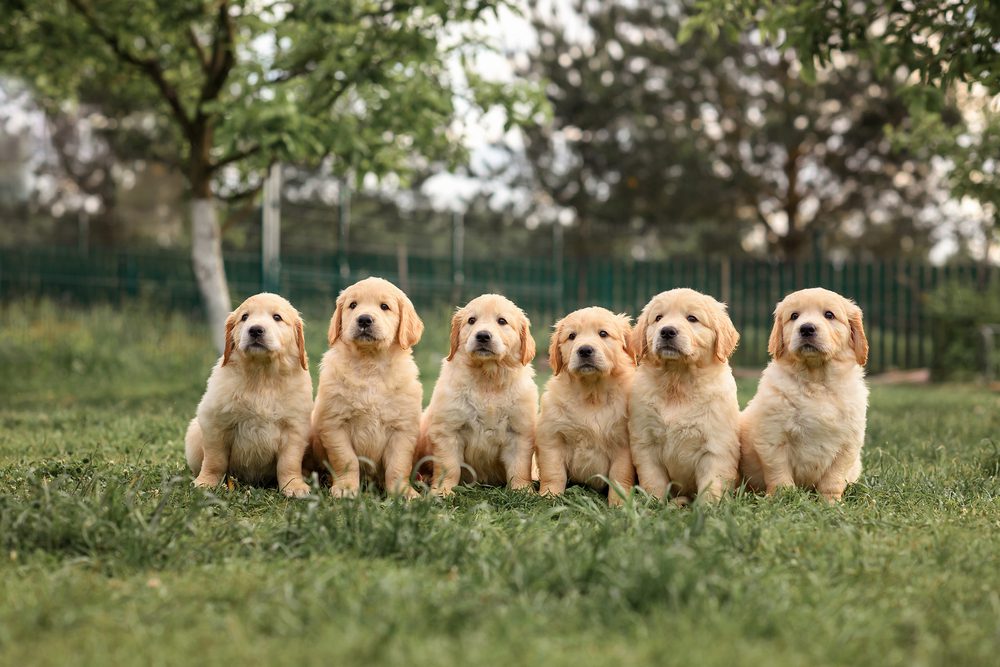
Introducing a new puppy to your current dog is often an exciting process, and many dogs will become fast friends and eas...
Read More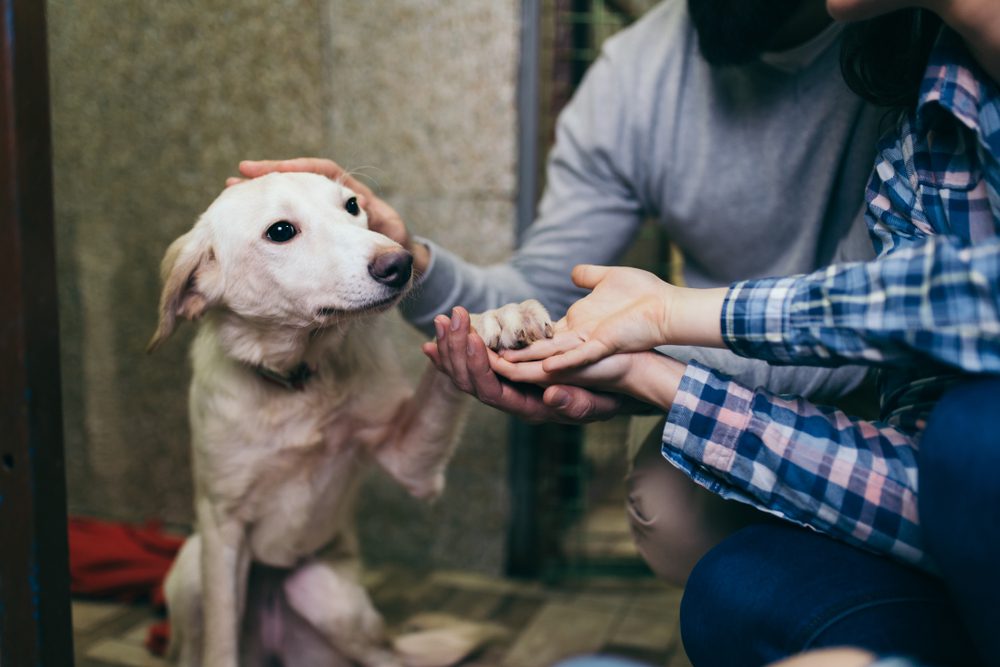
Rescue dogs can make great companions and can transform your home into something better. These dogs make great pets and ...
Read More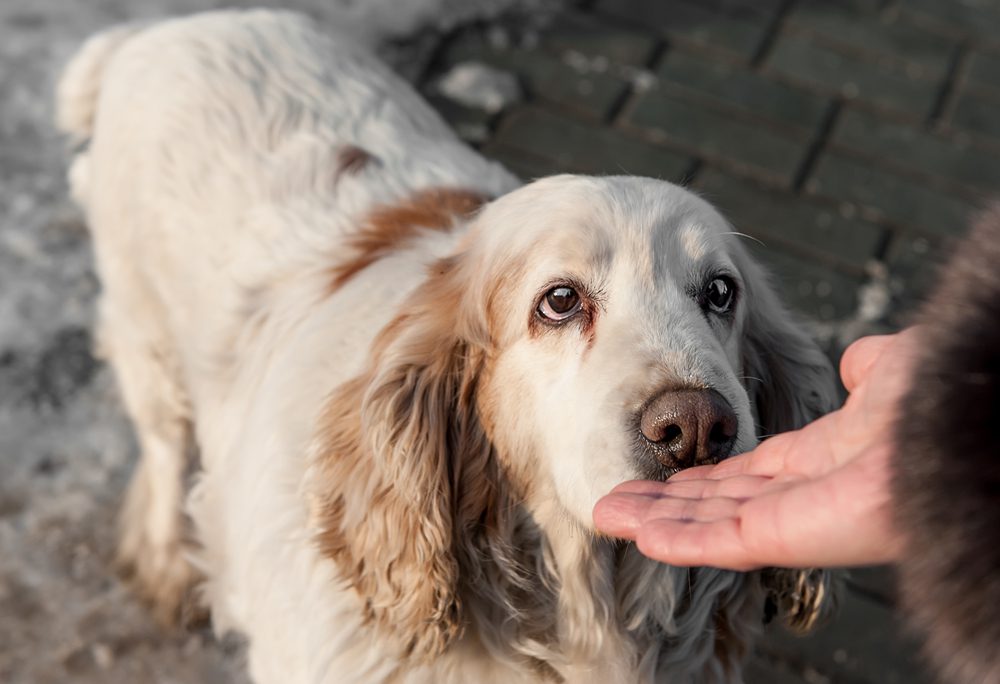
You should never rush to pet a dog. Even dog owners make the mistake of approaching unfamiliar dogs and petting them rig...
Read More
Puppy mill dogs are survivors who have endured extreme hardships in their lives. They have grown up in horrendous, unsan...
Read More
With their wagging tails and comforting presence, adopting a dog can add a unique touch to your life. It’s a heart...
Read More
Older dogs may have a few gray hairs around the edges, but that doesn’t mean they can’t make wonderful companions! T...
Read More