


Introducing a new puppy to your current dog is often an exciting process, and many dogs will become fast friends and eas...
Read MoreAdopt Me
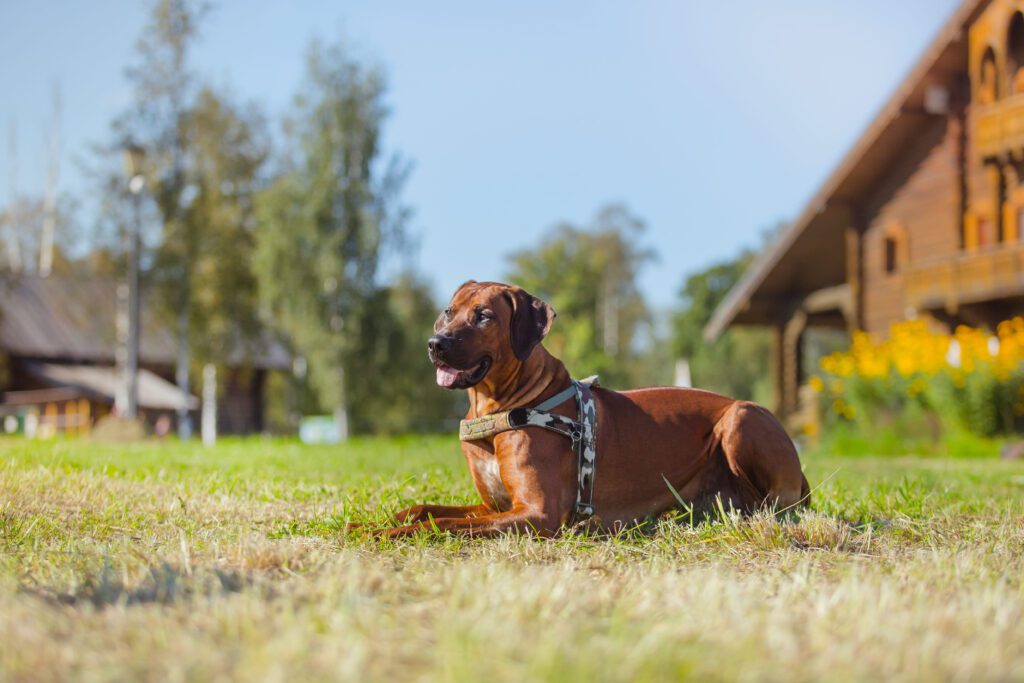

The Rhodesian Ridgeback is a striking, athletic companion known for loyalty, courage, and a calm home presence. Many owners love the breed’s dignified nature and affectionate bond with family. Ridgebacks thrive with active people who enjoy hiking, jogging, or long daily walks. They have a short, low-maintenance coat and a thoughtful temperament that rewards patient, consistent handling. Research matters before you adopt a Rhodesian Ridgeback because size, prey drive, and exercise needs make preparation important.
Finding a Rhodesian Ridgeback for adoption can take time. They are far less common in shelters than popular companion breeds, and many available dogs move quickly through rescue. Start by checking local shelters, all-breed rescues, and breed-specific organizations. You can also browse curated adoption listings on Dog Academy. Dog Academy gathers current Rhodesian Ridgeback openings from trusted sources, which makes it easier to spot dogs that fit your home and experience.
Expect a structured adoption process. Most groups ask you to complete an application with questions about your home, schedule, fencing, other pets, and training plans. References, a landlord check if you rent, and a virtual or in-person home visit are common. Meet-and-greets with family members and resident pets help confirm a good match. Because Ridgebacks are less common, some rescues use waiting lists and may prioritize adopters with sighthound or large-breed experience. The timeline often ranges from 2 to 8 weeks, depending on availability and your flexibility.
Adoption costs vary by region and the level of veterinary care provided. Most adopters pay $250 to $500 for a Rhodesian Ridgeback through shelters and rescues. Puppies through breed rescues may reach about $600. Fees often include spay or neuter, vaccines, a microchip, parasite testing, and initial care. Age, medical history, and transport influence the final cost. Budget for essentials like a crate, leash and harness, bed, food, and training as you plan your transition home.
Expect an adjustment period as your new Ridgeback settles in. Keep the first 2 weeks calm and predictable. Set up a quiet area with a crate or bed, use a simple routine for meals and walks, and limit visitors early on. Many Ridgebacks are reserved with strangers yet deeply affectionate with family. Supervise introductions with children and other pets. A secure yard is helpful because many Ridgebacks have a strong prey drive. Do not allow off-leash freedom in unsecured areas until recall is reliable.
Ridgebacks need daily exercise and mental work. Aim for 60 to 90 minutes of activity through brisk walks, jogging, hiking, or structured play in a fenced space. Add short training games, scent work, food puzzles, and calm enrichment to prevent boredom. Keep sessions short and upbeat. Avoid heavy exercise right after meals to reduce bloat risk. Reward polite leash manners and a strong recall before testing distractions like wildlife or busy parks.
Grooming is simple. Brush weekly with a rubber curry to remove loose hair and distribute skin oils. Expect seasonal shedding. Trim nails every 2 to 3 weeks, clean ears as needed, and bathe every 4 to 6 weeks or after muddy adventures. Feed a high-quality diet suited to a large, athletic dog. Split food into 2 meals and use a slow feeder if your Ridgeback eats fast. Maintain a visible waist and ribs you can feel without pressing hard. Training should be reward-based and consistent. Use high-value treats and praise, keep lessons short, and teach essentials like name recognition, sit, down, stay, leave it, recall, and loose-leash walking. Early socialization and calm exposure build confidence. If you want expert help, explore Dog Academy’s online and in-person training. Dog Academy offers self-paced courses and professional coaching that make it easier to guide a smart, independent Ridgeback.

|
Is It a Good Idea to Adopt a Rhodesian Ridgeback As Your First Dog?A first-time owner can succeed with a Rhodesian Ridgeback if they are prepared and consistent. The breed is large and strong, often 70 to 90 pounds, with endurance and a natural urge to chase. Ridgebacks are intelligent and affectionate but can be independent, which asks for clear boundaries and daily structure. They need regular exercise, mental stimulation, and careful management in new settings. Training difficulty is moderate. Harsh corrections backfire on this sensitive breed. Positive reinforcement, a steady routine, and clear house rules work best. New owners who follow a step-by-step plan tend to do well. Dog Academy can help you build skills quickly through practical lessons, virtual support, and local professional options that keep you and your Ridgeback on track. |
Adopt the Right Rhodesian Ridgeback for YouThoughtful preparation leads to a great match. Learn about the breed, set a realistic budget, and choose a dog whose age, energy, and temperament fit your lifestyle. Be patient with the search and the first weeks at home. Steady routines, kind training, and exercise help a Rhodesian Ridgeback relax and shine. Dog Academy makes the journey easier. Use our curated listings to find available Rhodesian Ridgeback dogs, then lean on our expert guidance, self-paced online training, and professional in-person programs for long-term success. With the right plan, you can adopt a Rhodesian Ridgeback and enjoy a confident, loyal partner for years to come. |

|

Introducing a new puppy to your current dog is often an exciting process, and many dogs will become fast friends and eas...
Read More
Rescue dogs can make great companions and can transform your home into something better. These dogs make great pets and ...
Read More
You should never rush to pet a dog. Even dog owners make the mistake of approaching unfamiliar dogs and petting them rig...
Read More
Puppy mill dogs are survivors who have endured extreme hardships in their lives. They have grown up in horrendous, unsan...
Read More
With their wagging tails and comforting presence, adopting a dog can add a unique touch to your life. It’s a heart...
Read More
Older dogs may have a few gray hairs around the edges, but that doesn’t mean they can’t make wonderful companions! T...
Read More